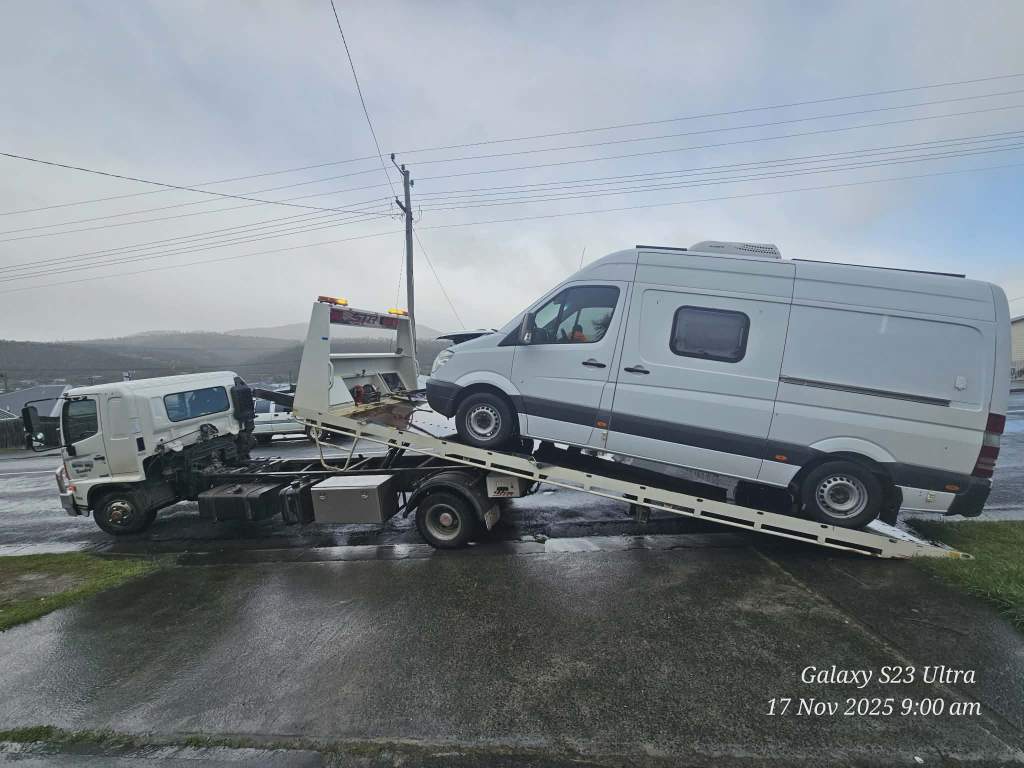
Week 4 began quietly in New Norfolk, where we spent a few days organising my van before it was collected by tow truck and taken off to the mechanics. These slower days gave us time to pause, regroup, and take a breath before continuing east.
On Saturday, we set out on a day trip to the historic township of Ross. Wandering through town, it’s impossible not to feel the weight of history beneath your feet. The convict-built sandstone bridge, completed in 1836, remains one of Australia’s most remarkable colonial structures. Its 186 intricate carvings — each one symbolic — transform the bridge into a piece of living art, still carrying traffic almost two centuries later.
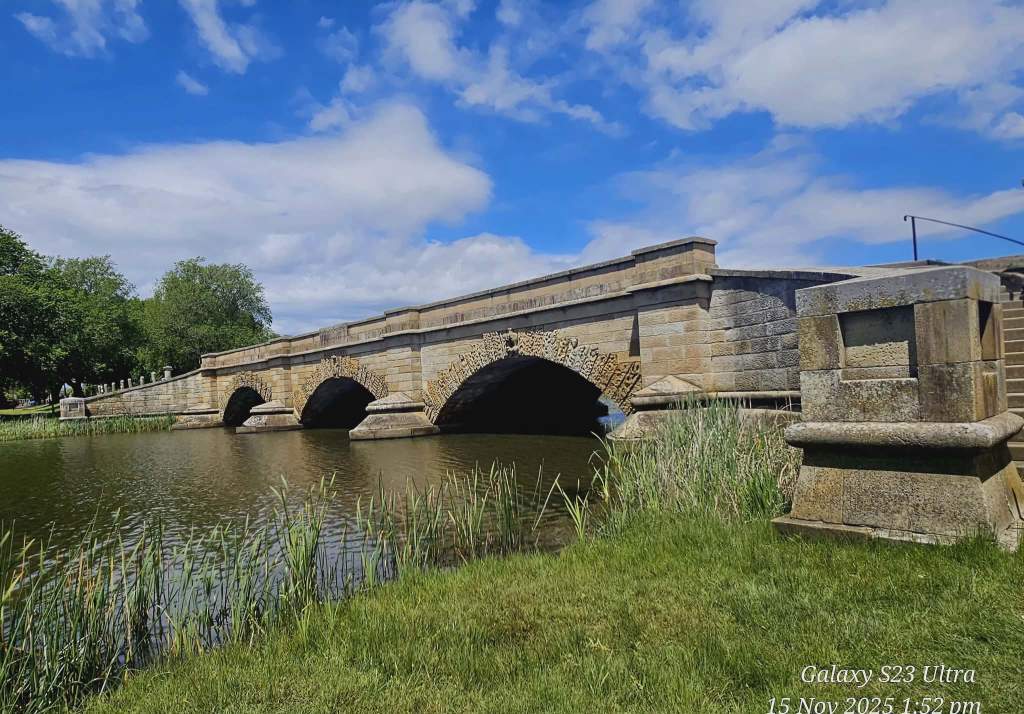
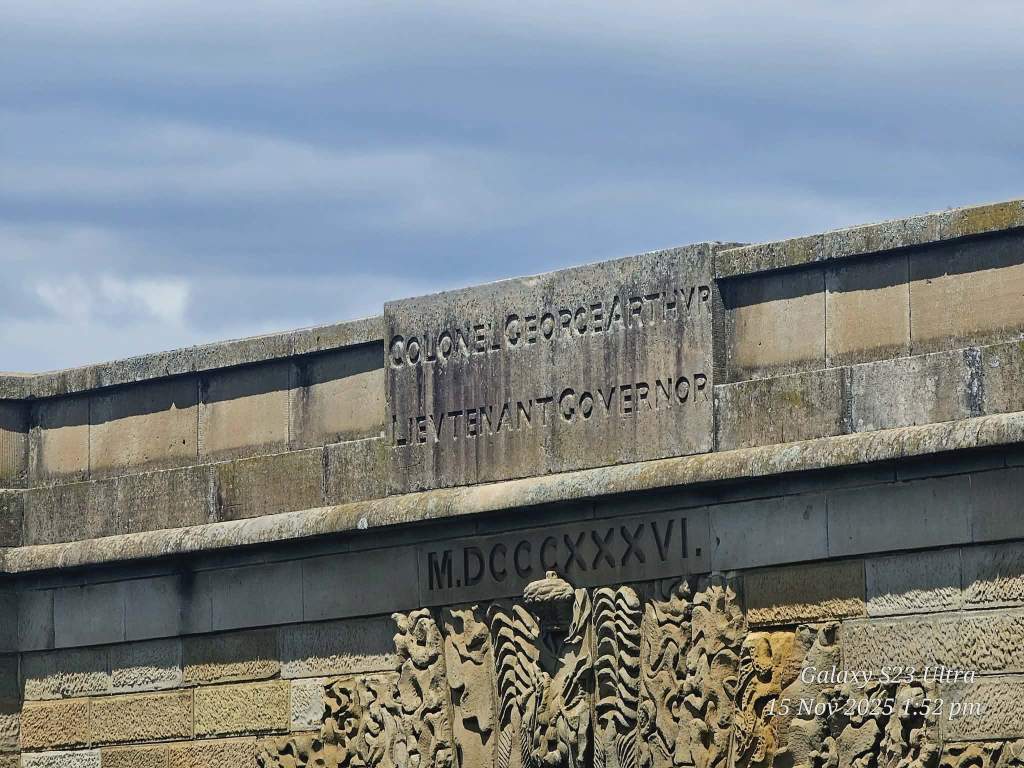
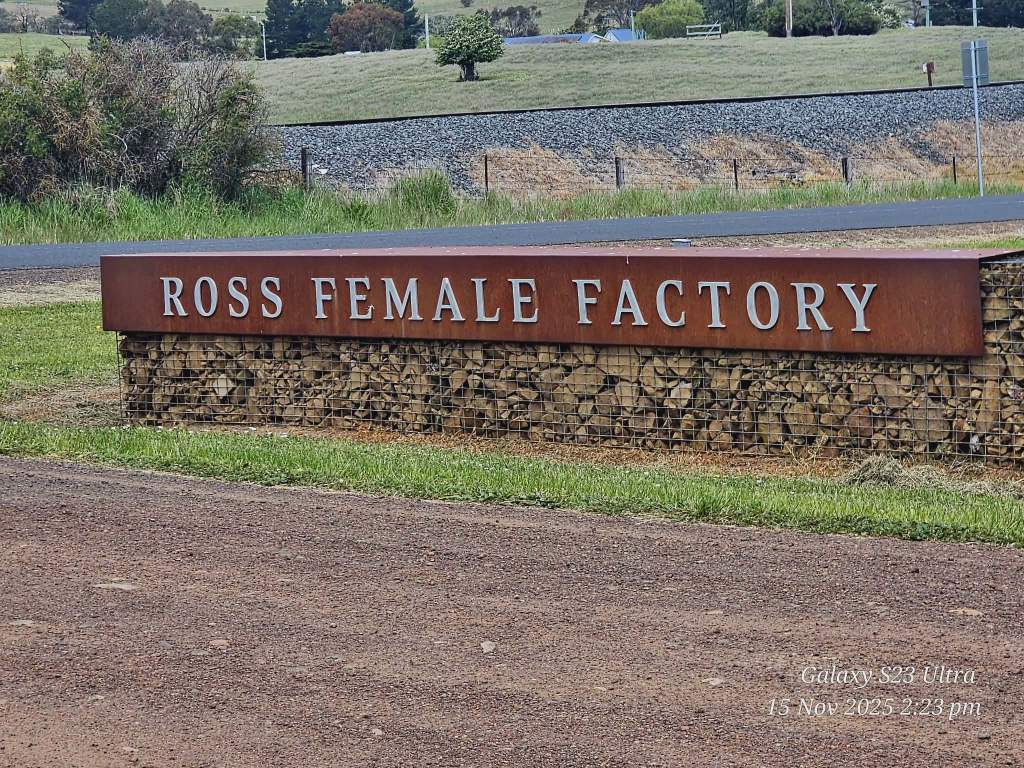
Nearby, we visited the Ross Female Factory, a former convict probation station and workhouse for women and their babies between 1847 and 1854. These places were officially intended as sites of rehabilitation, preparing women for life after incarceration. The feminist part of me couldn’t help but feel it was also deeply entwined with how women were viewed — as property, as labour, as something to be managed rather than understood.
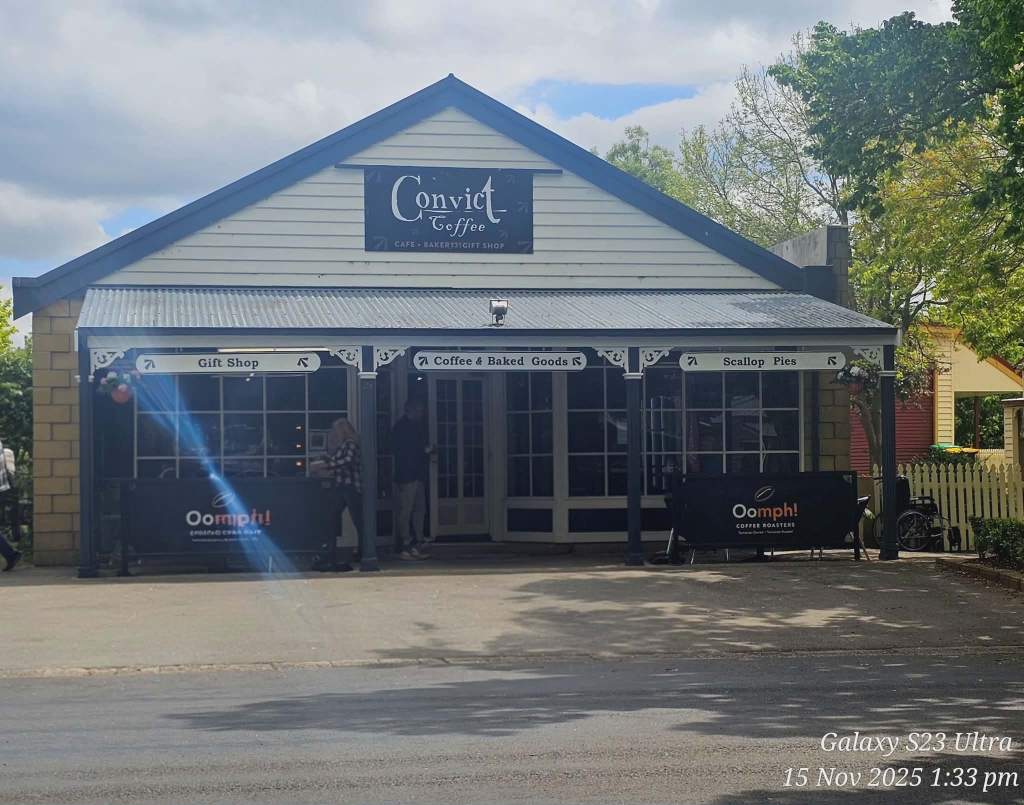
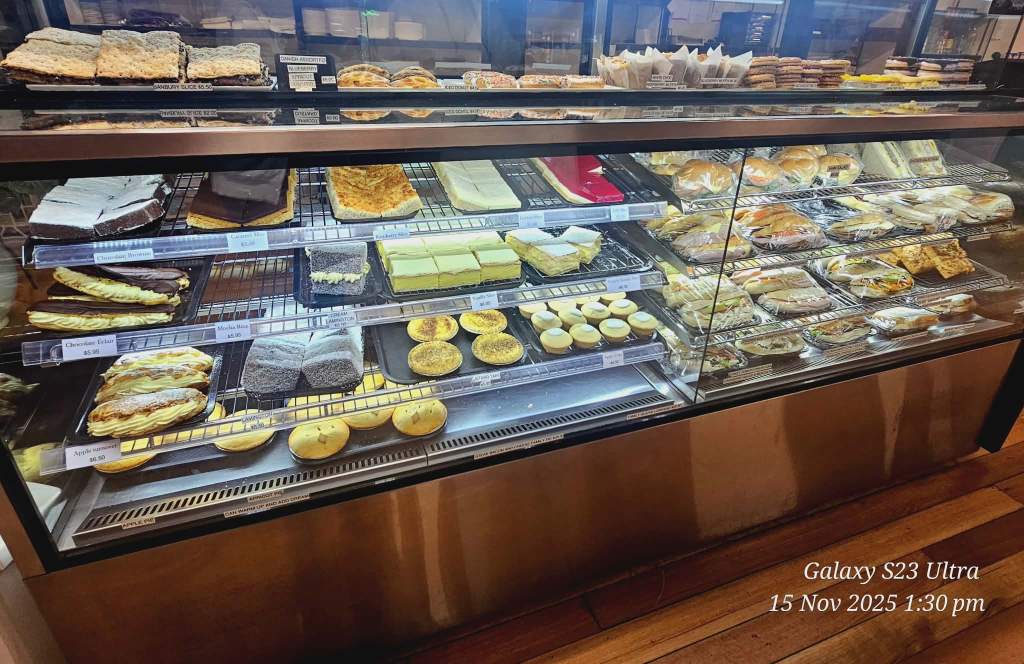
Afterwards, we enjoyed lunch at the Convict Coffee Café and Bakery — not the place most people automatically think of in Ross, but a gem nonetheless. The meal was excellent, and we couldn’t resist taking home a few decadent desserts. Definitely one for the return list.
Once the van was finally sent off on Monday, we turned our replacement vehicle toward the Tasman Peninsula.
Port Arthur & the Tasman Peninsula
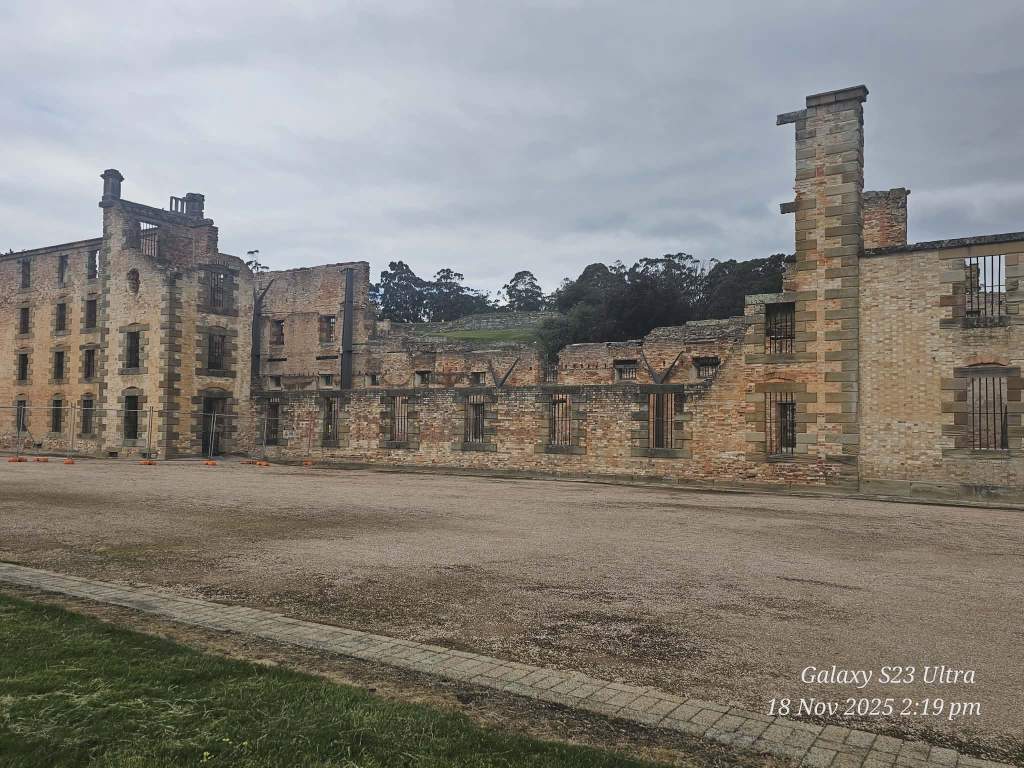
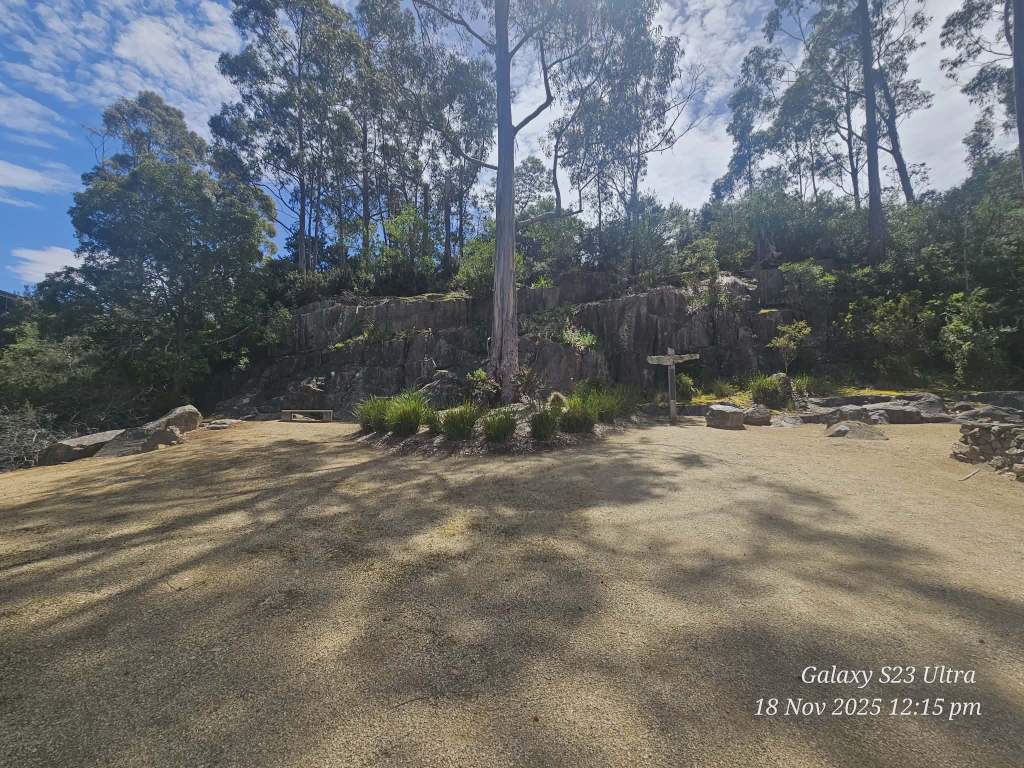
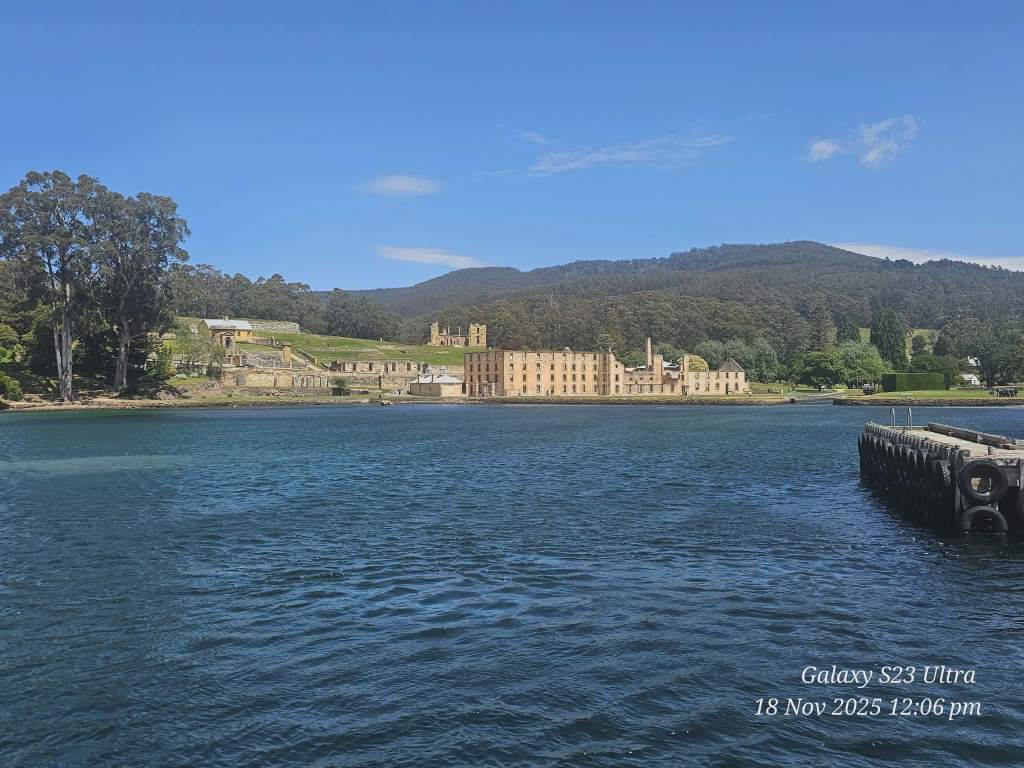
Port Arthur was next. We spent several hours wandering the site, absorbing the stories held within its walls. The memorial gardens, dedicated to the victims of the 1996 massacre, are gentle and peaceful — a place that encourages quiet reflection. Standing there today, it’s almost impossible to comprehend the events of that day when 35 innocent lives were lost.
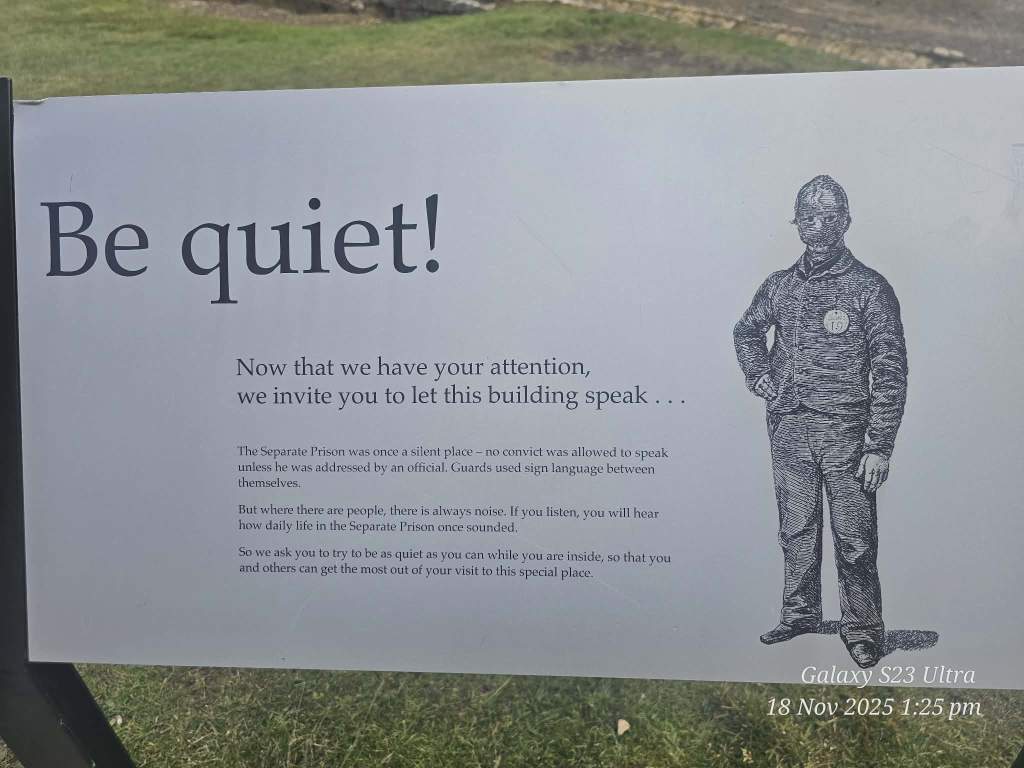
The formal gardens throughout the site are beautiful, offering a striking contrast to the brutal realities of the prison itself. Learning about the conditions endured by prisoners — prolonged darkness, enforced silence — is mind-blowing. Barbaric and deeply inhumane.
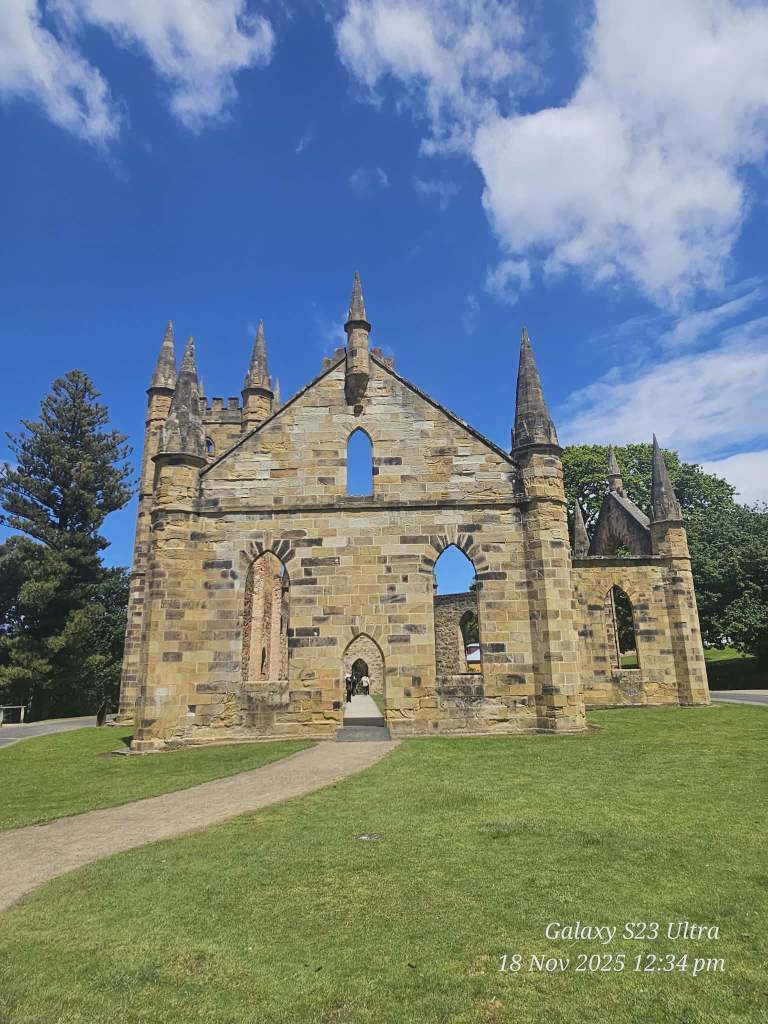
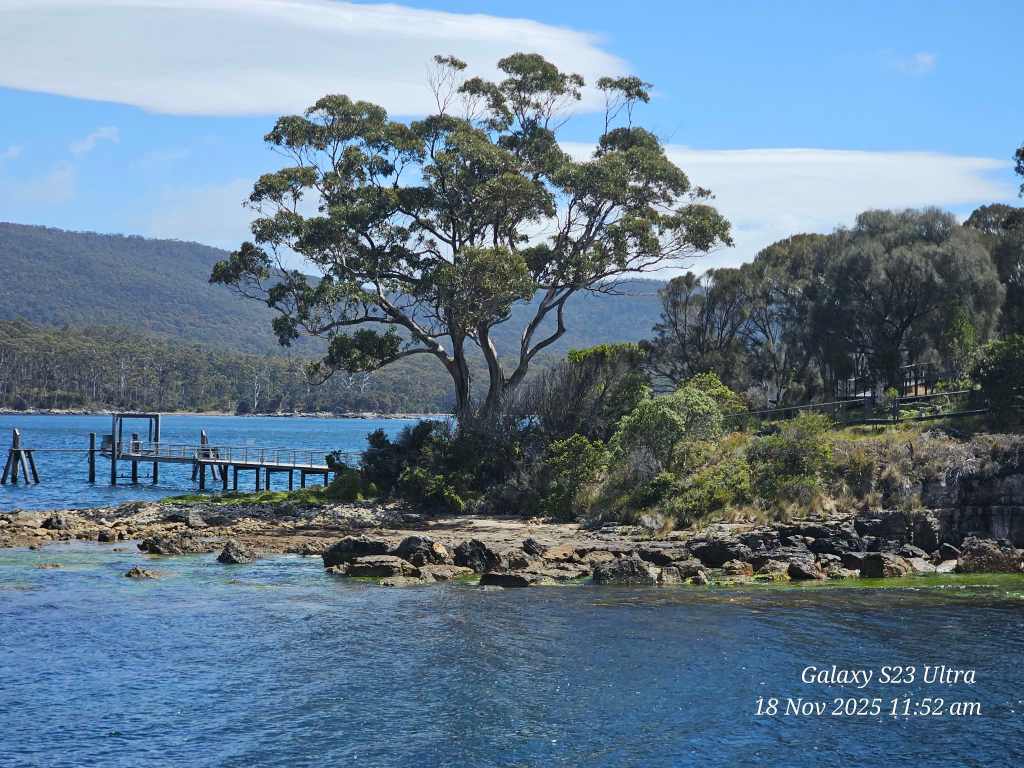
We walked up to the lookout overlooking the church ruins and took the boat tour, learning about the boys’ prison isolated on an island nearby. The intention was to separate young offenders from hardened criminals — a concept that seems compassionate on the surface, yet was still steeped in punishment and isolation.
From here, we explored the area daily:
The Tessellated Pavements, Tasman National Park, Fossil Bay Lookout, Tasman Arch, Devils Kitchen, and the Blowhole.
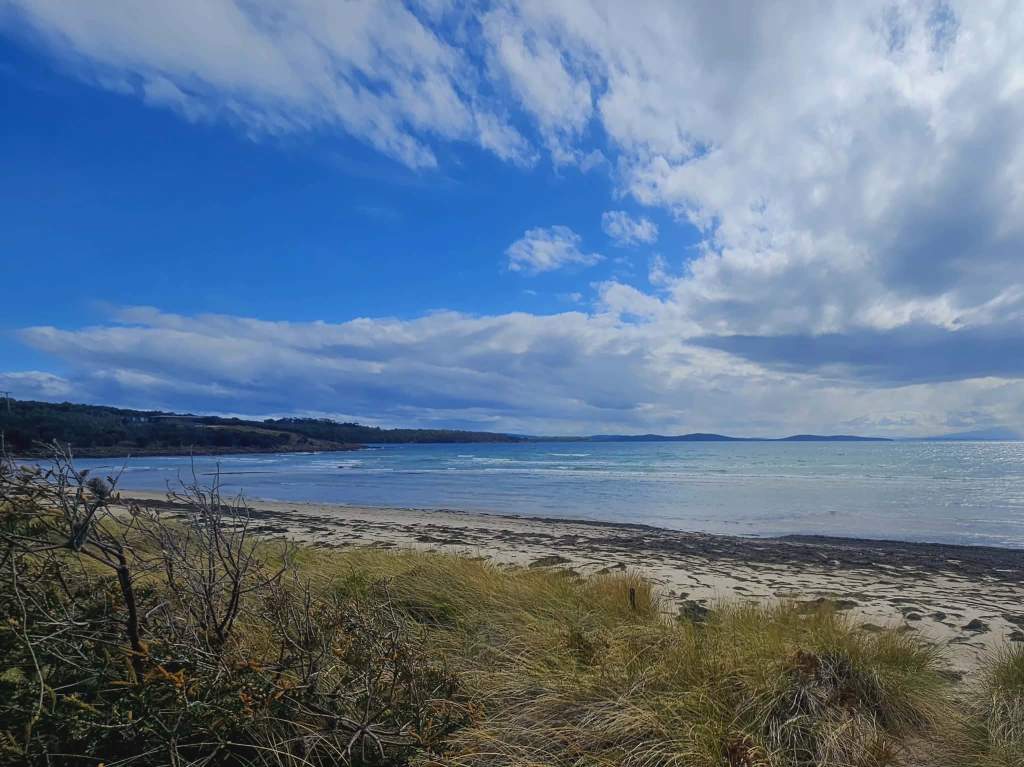
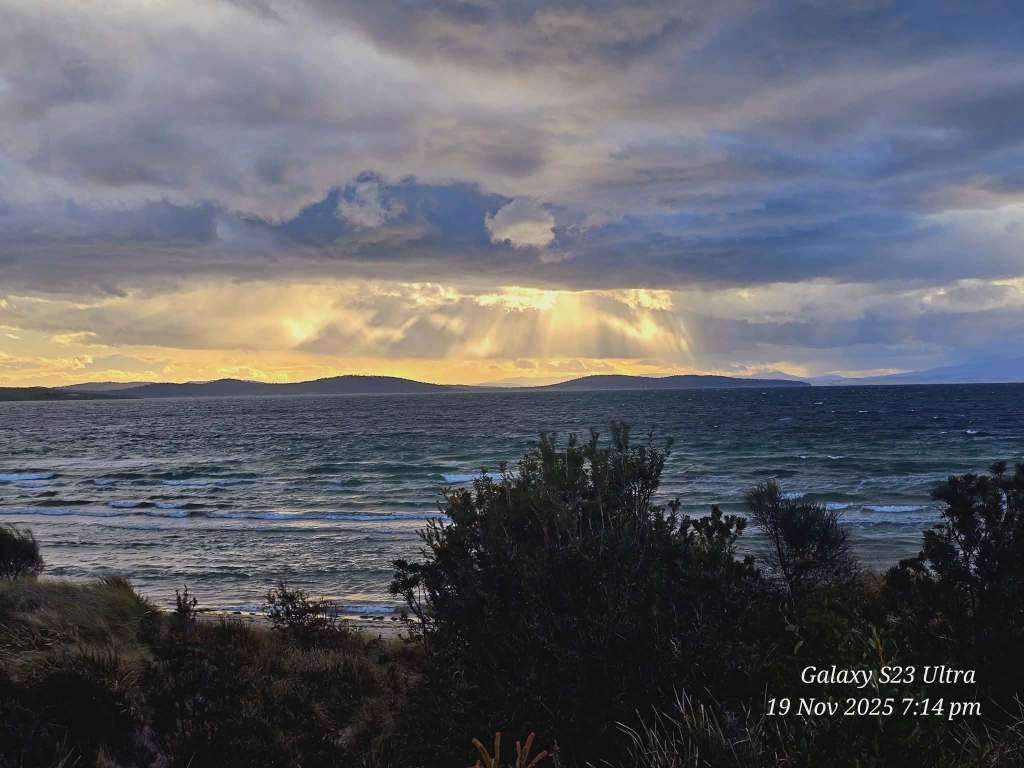
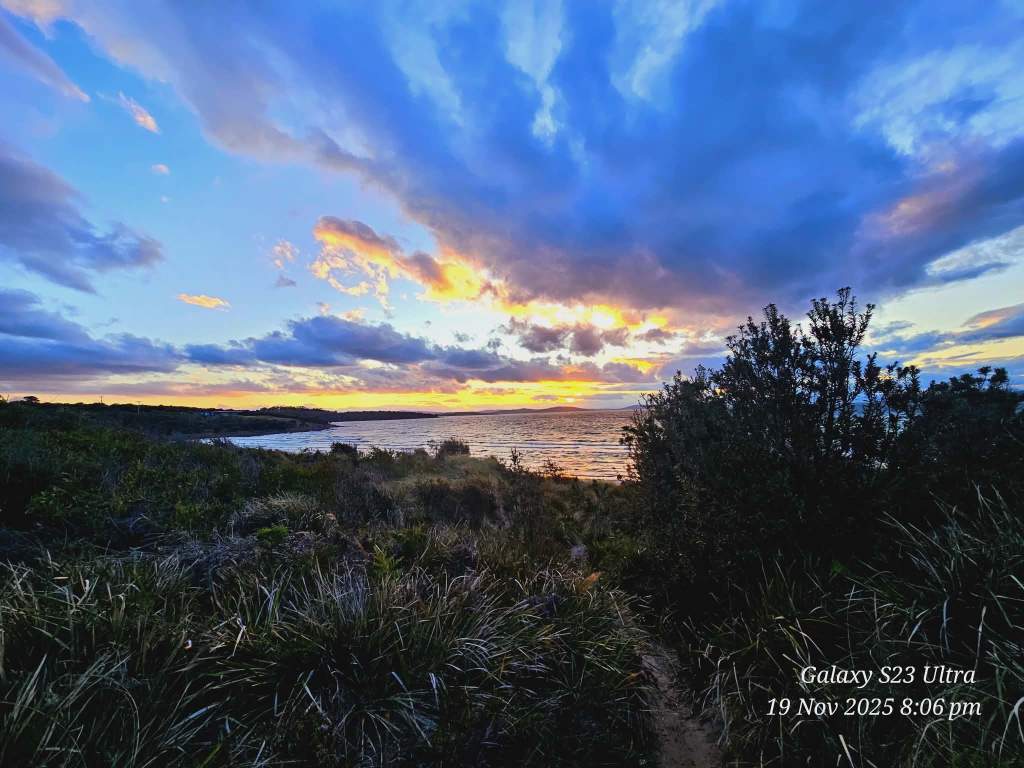
We based ourselves for three nights at Sunset Beach Campsite near Eaglehawk Neck. A peaceful, privately run site right on the water, with clean hot showers and thoughtful amenities despite having no powered sites. For $20 a night, it was hard to beat. Sunsets, birdlife, beach walks — it was the kind of place that invites you to slow down.
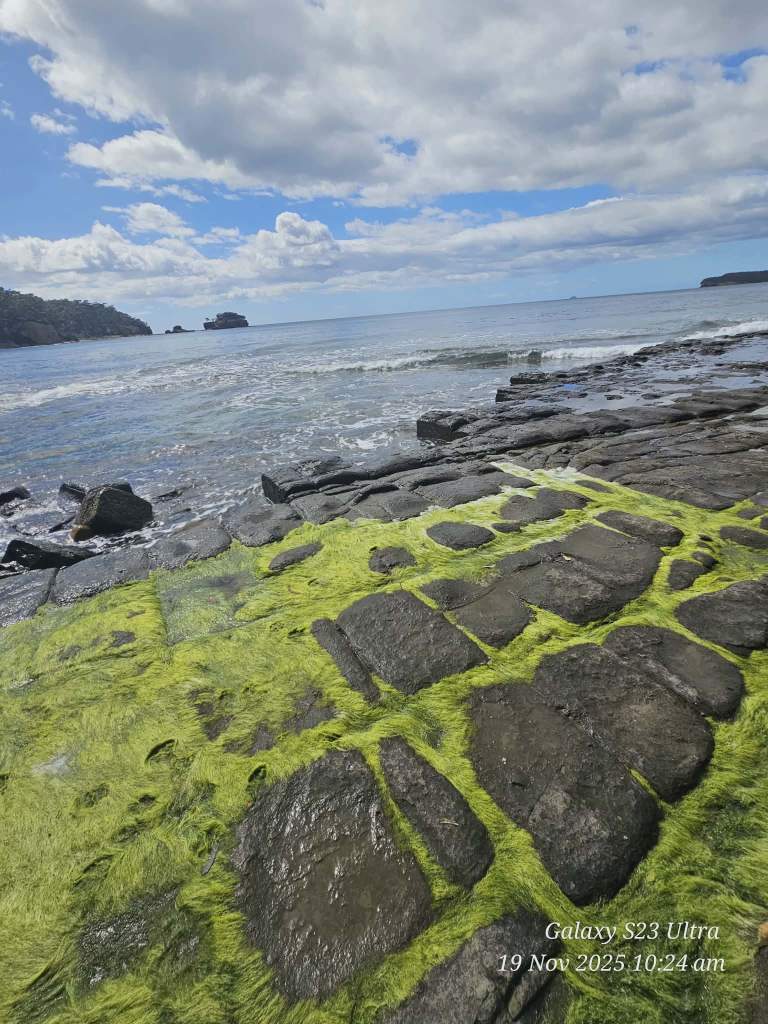
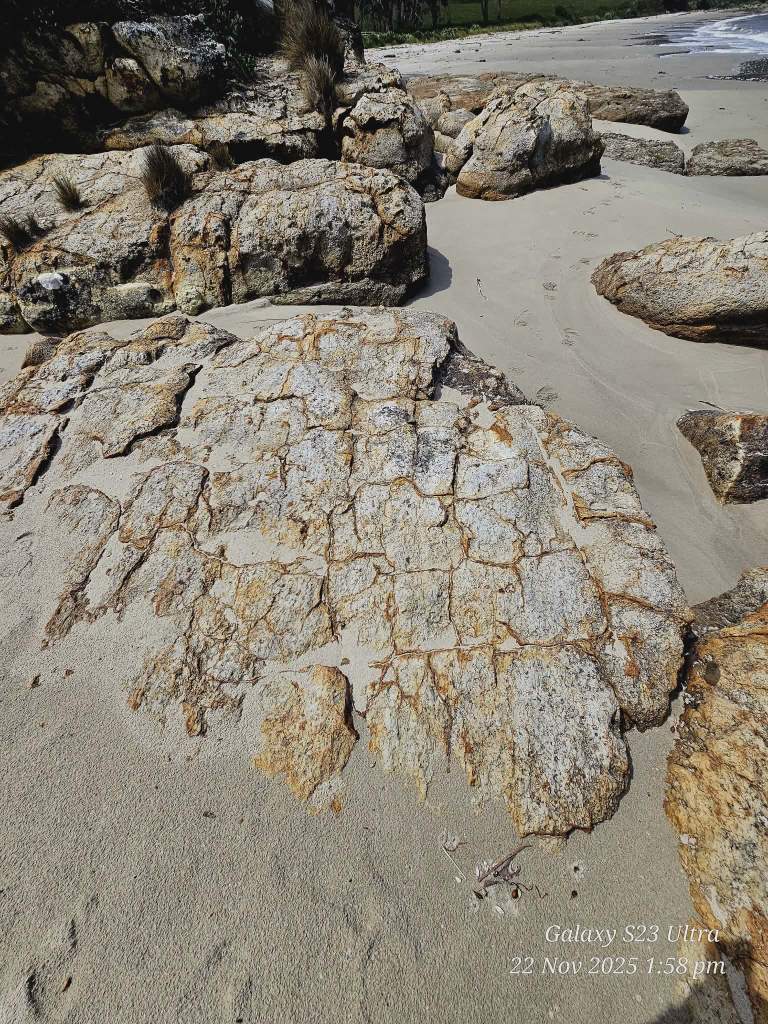
The tessellated pavement is one of nature’s great curiosities — sandstone cracked into geometric patterns like a tiled floor. The contrast of fluorescent green sea moss against the dark rock was startling and beautiful.
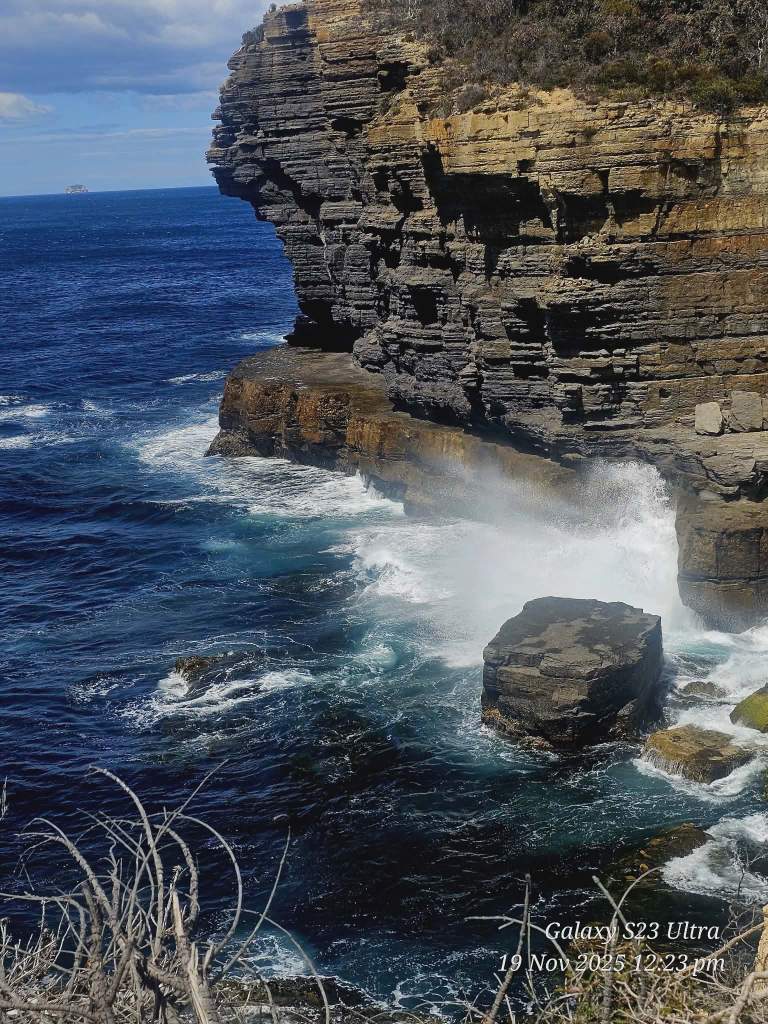
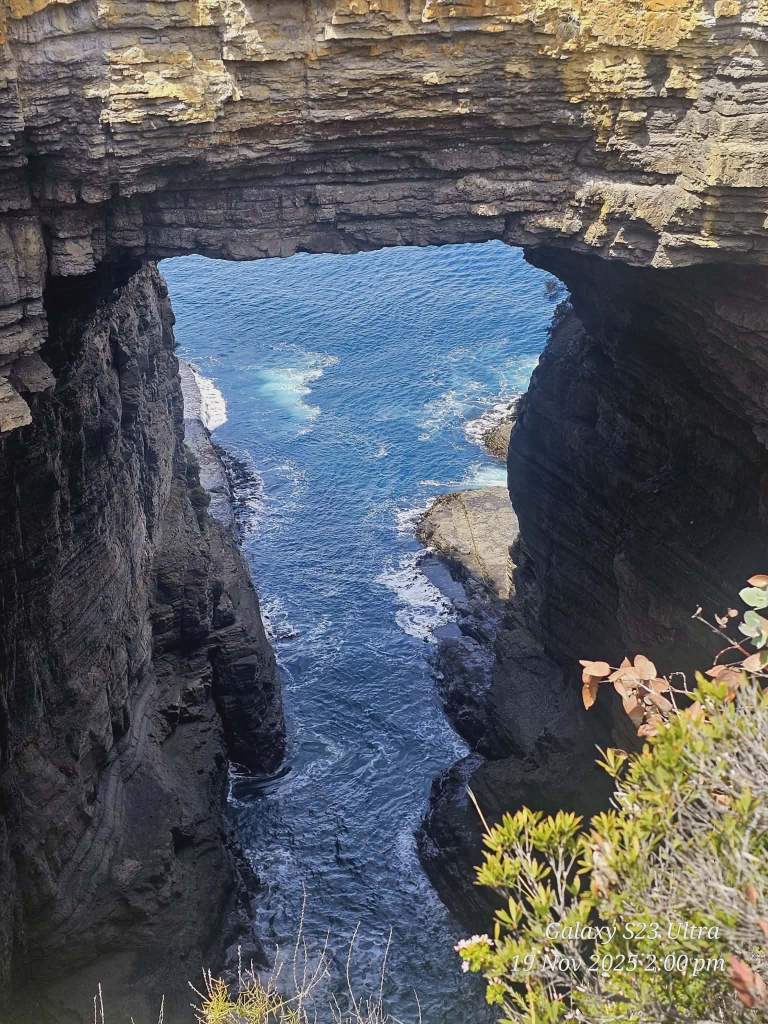
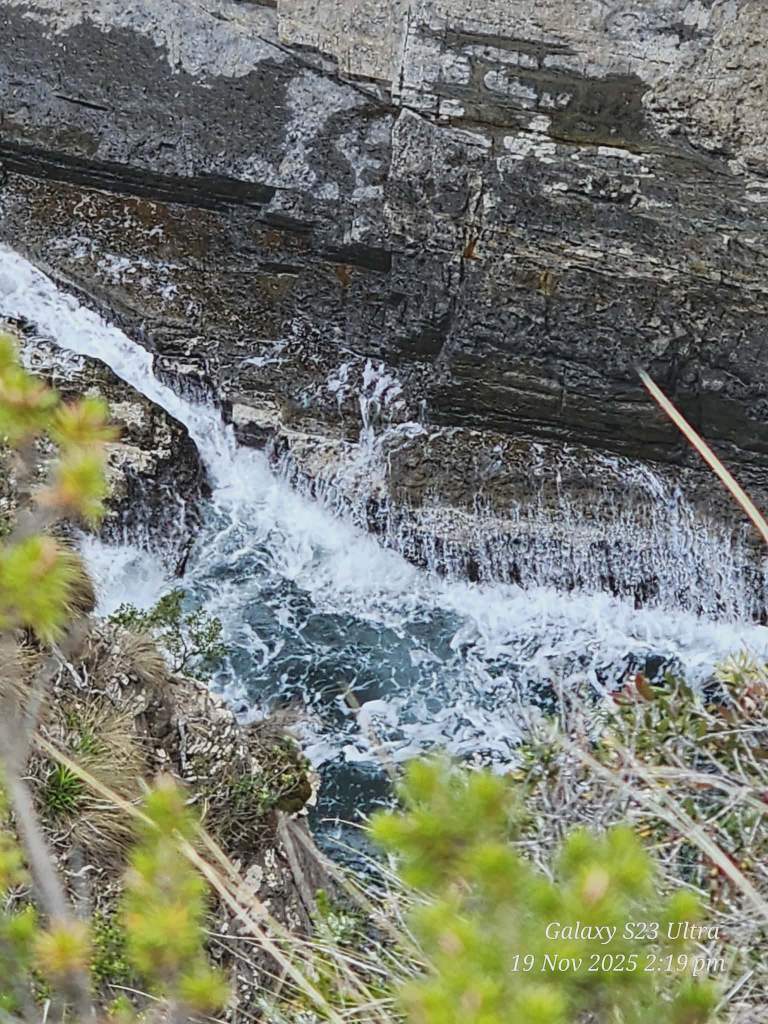
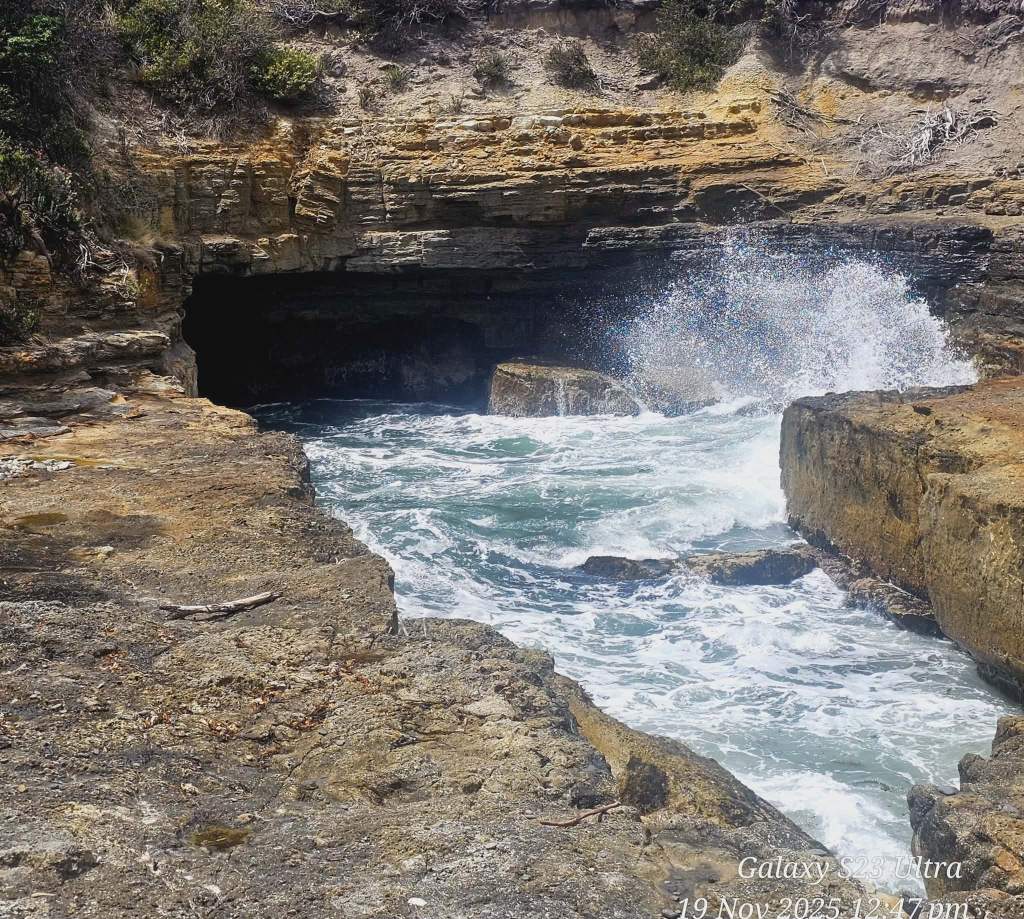
Watching deep blue waves crash against towering cliffs, surge through the Tasman Arch and erupt through the Blowhole was mesmerising. I stood in awe of the ocean’s relentless ability to carve stone. I did briefly wonder whether there was any warning before a rogue wave might surge beneath my feet — but it was only a fleeting thought and didn’t hurry me away.
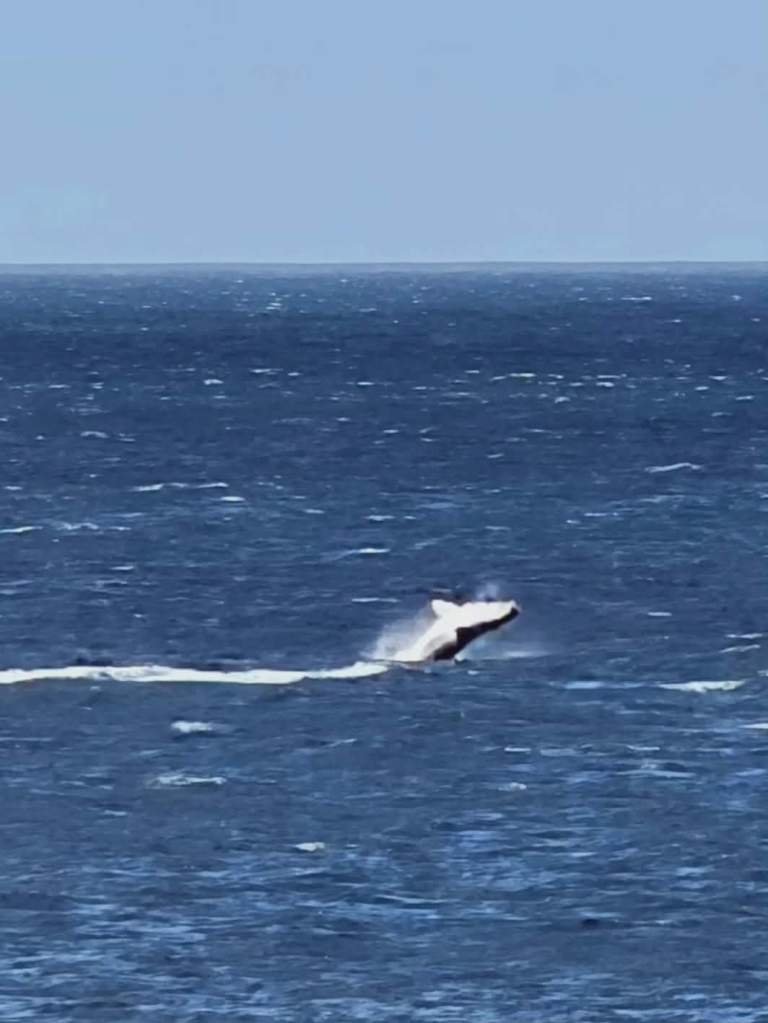
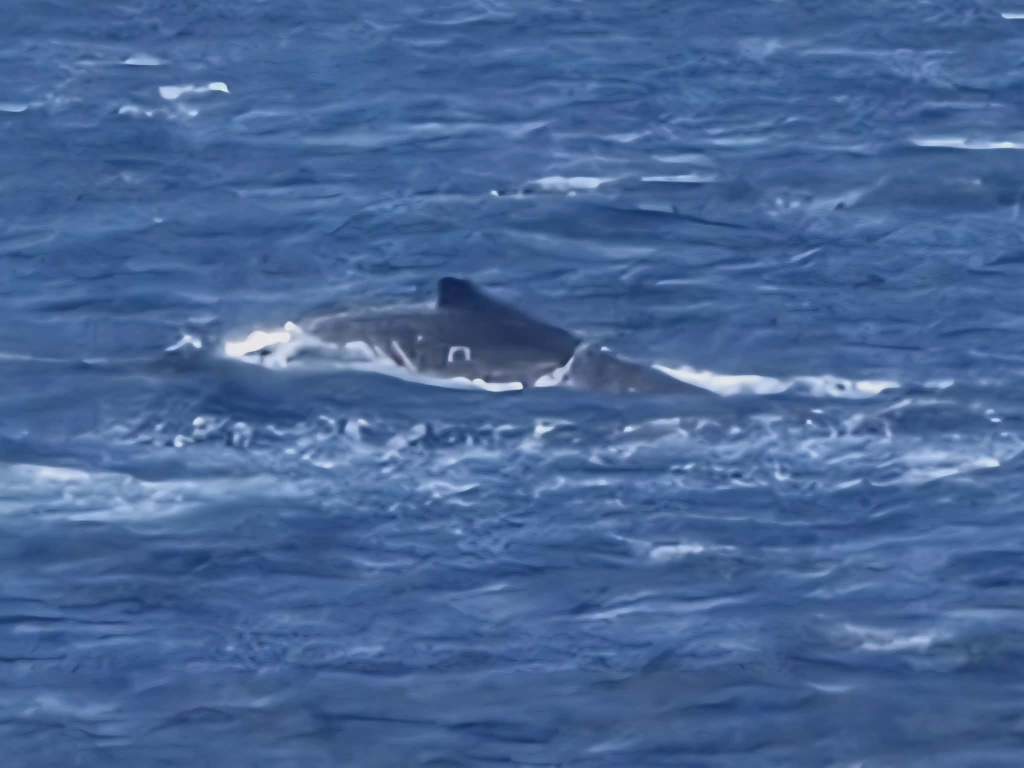
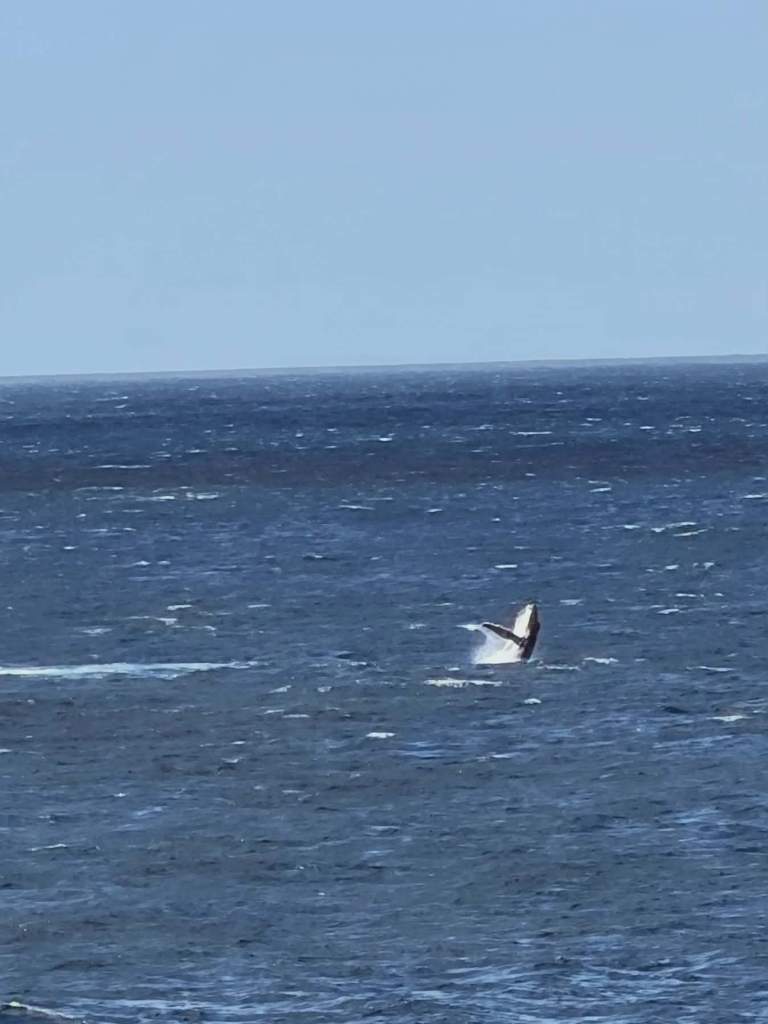
I almost forgot to mention the show put on for us by the Whales. We arrived just in time to watch a large pod of whales on their migration south. Delightful to watch as they put on a magical display right in front of us.
Hobart & Stories of Women
Leaving the peninsula behind, we headed south toward Hobart, keen to visit the Cascade Female Factory and learn more about women’s convict history.
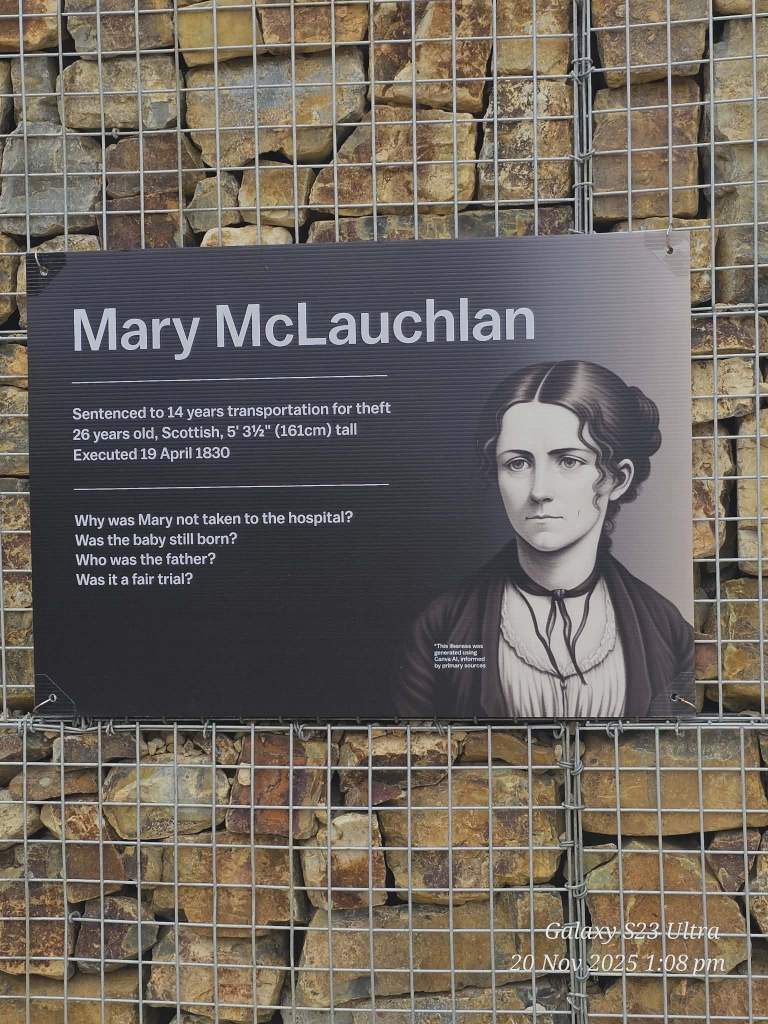
On arrival, women were divided into rigid classes and forbidden from communicating with one another. Clothing, labour, daily life — everything was controlled. Many women were transported simply because of poverty, committing crimes to feed their families. The idea that such conditions could lead to rehabilitation seems deeply flawed by today’s standards.
Yet resistance emerged. A prisoner subculture known as the Flash Mob formed — groups of defiant women asserting control within the walls. Authorities struggled endlessly to contain them. I couldn’t help but wonder: were these acts of rebellion the earliest sparks of women’s rights? If so, women today owe them a debt for paving the way.
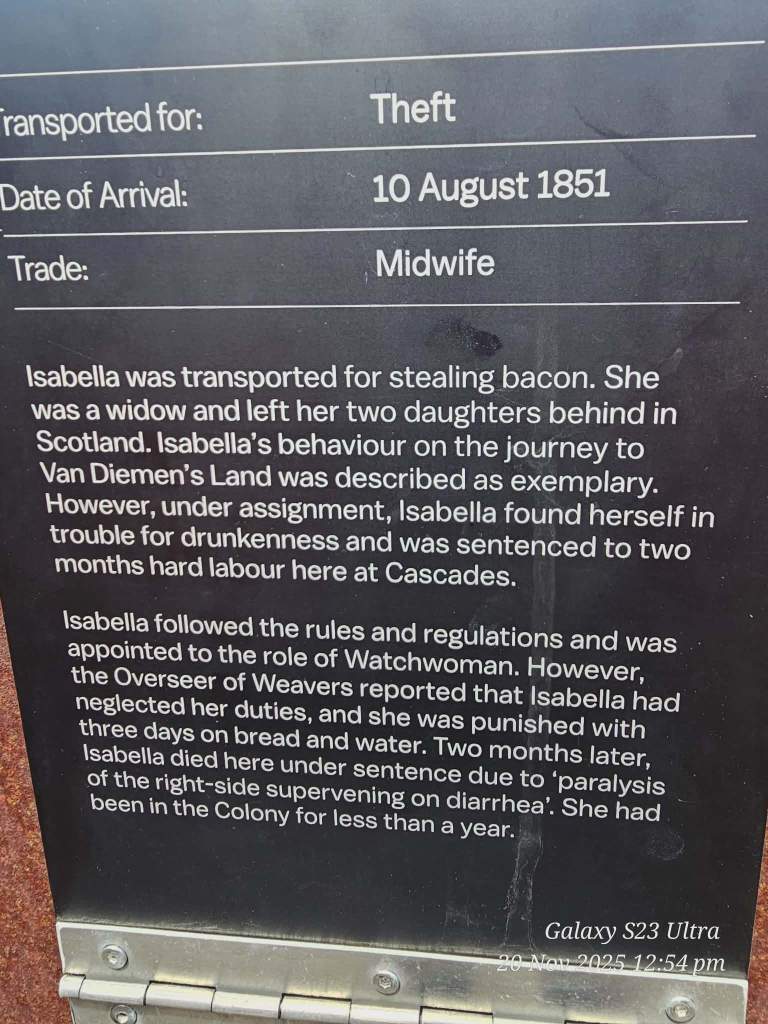
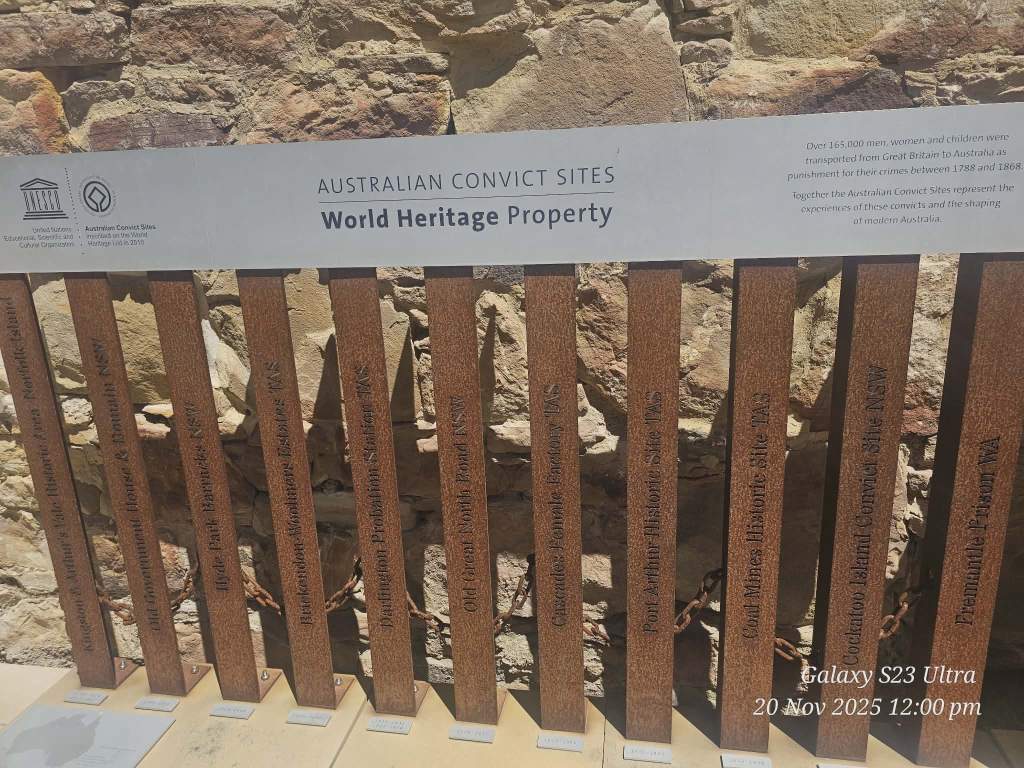
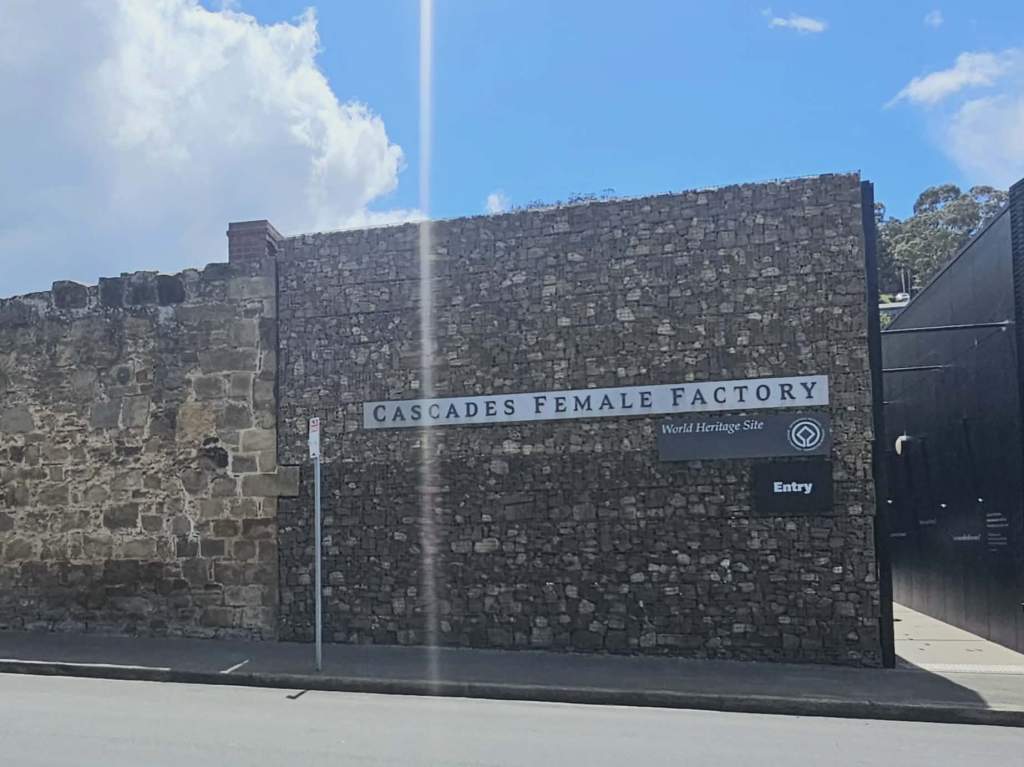
We later wandered through the Cascade Gardens, quietly searching for platypuses — no luck this time.
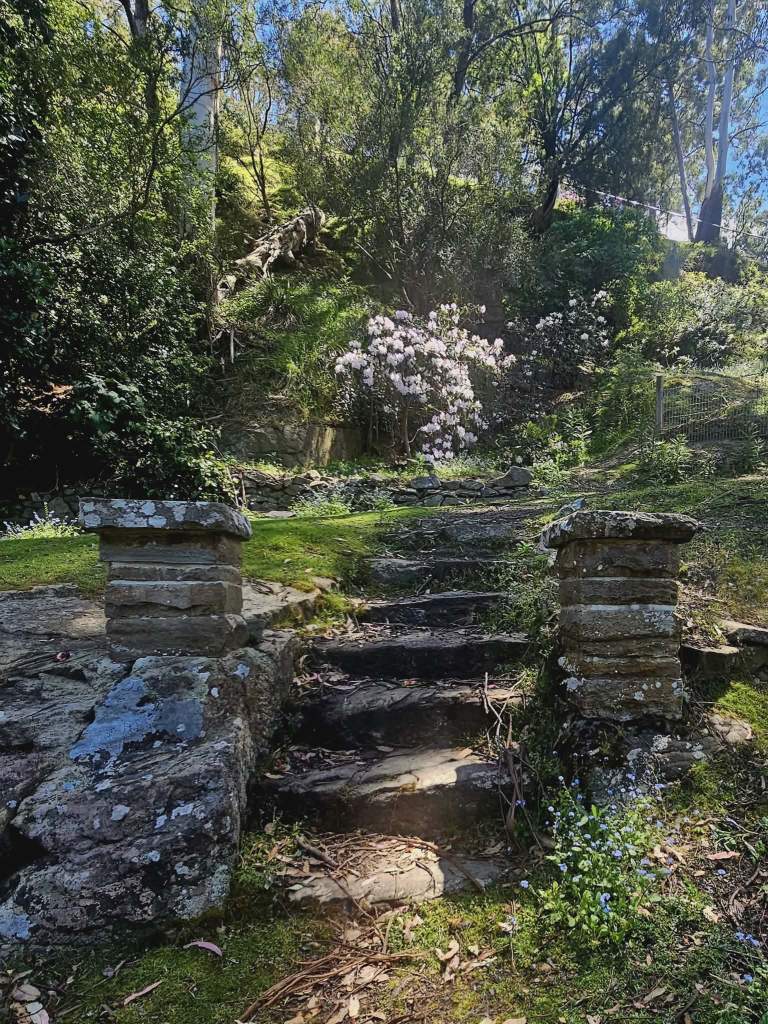
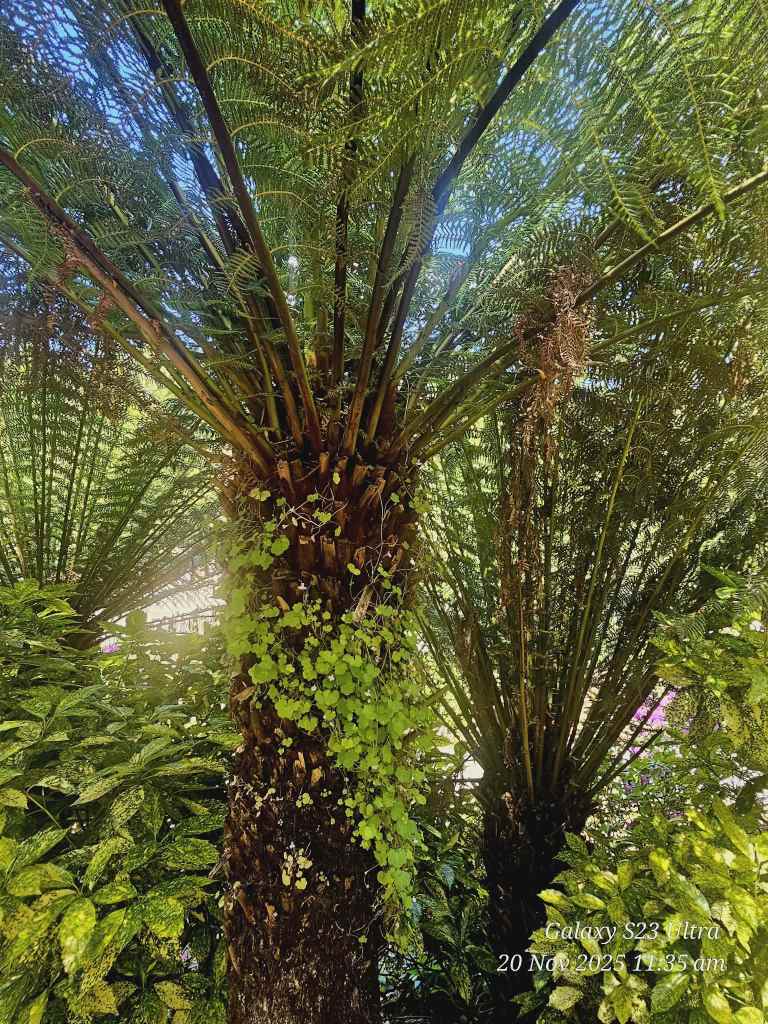
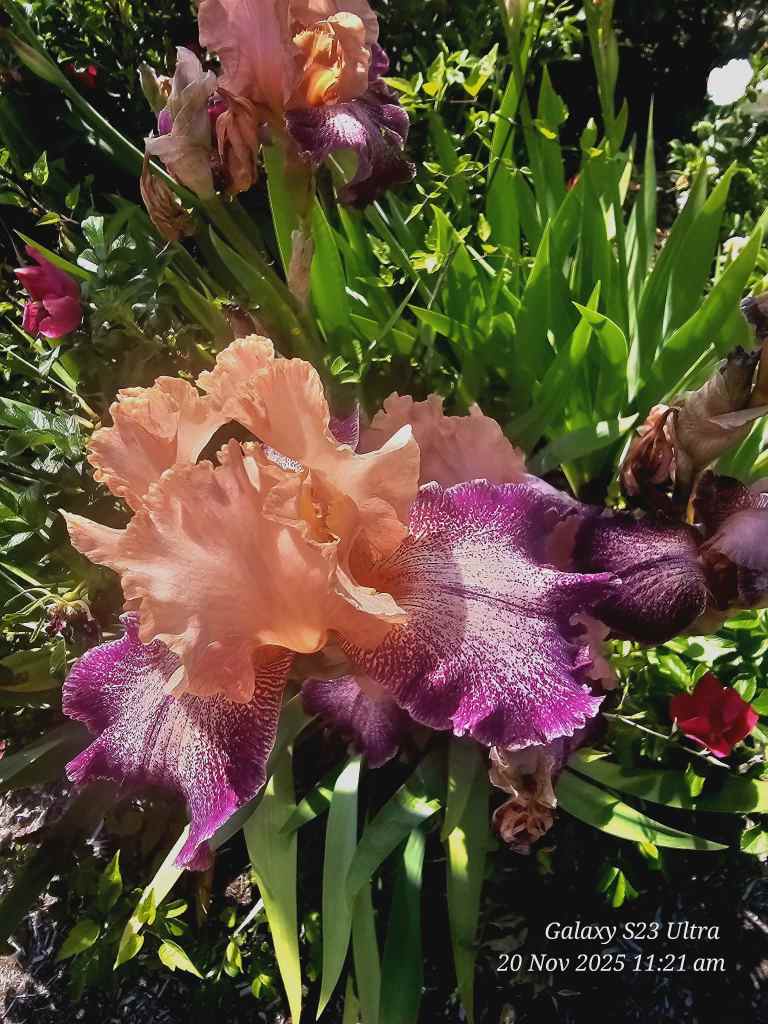
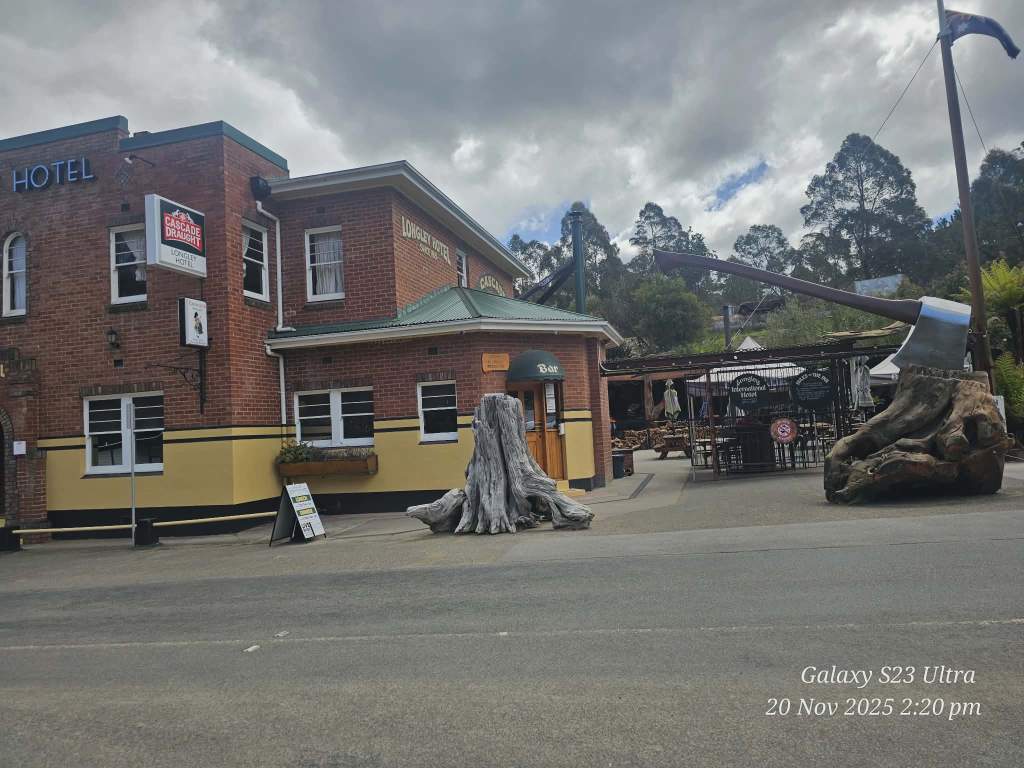
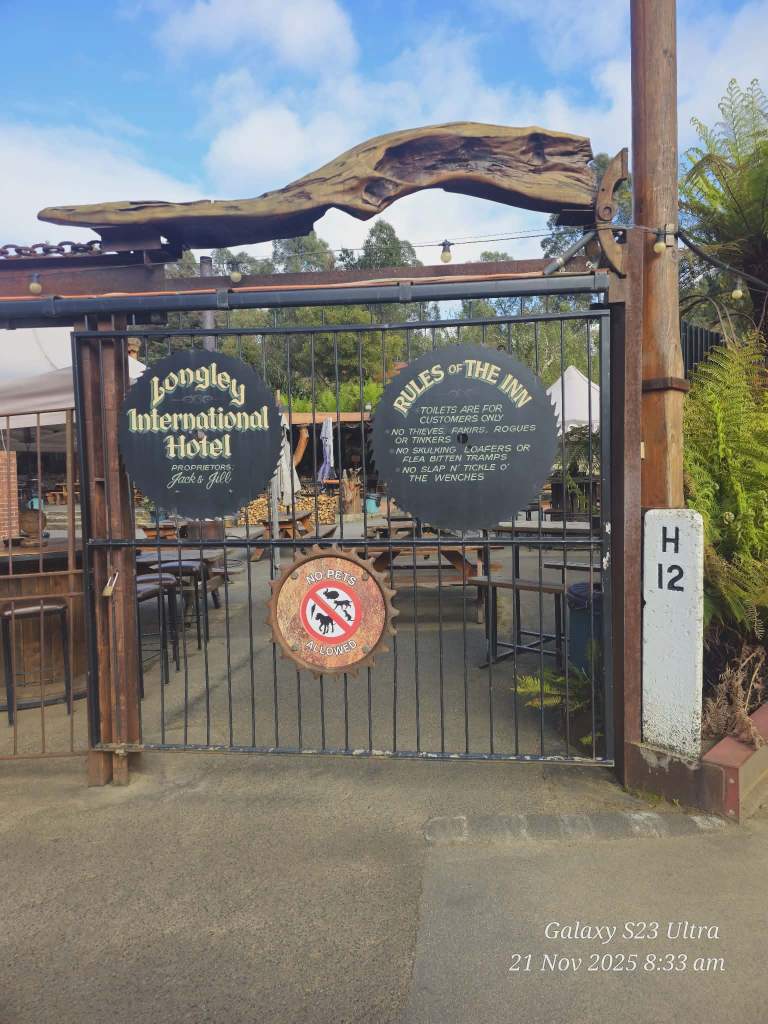
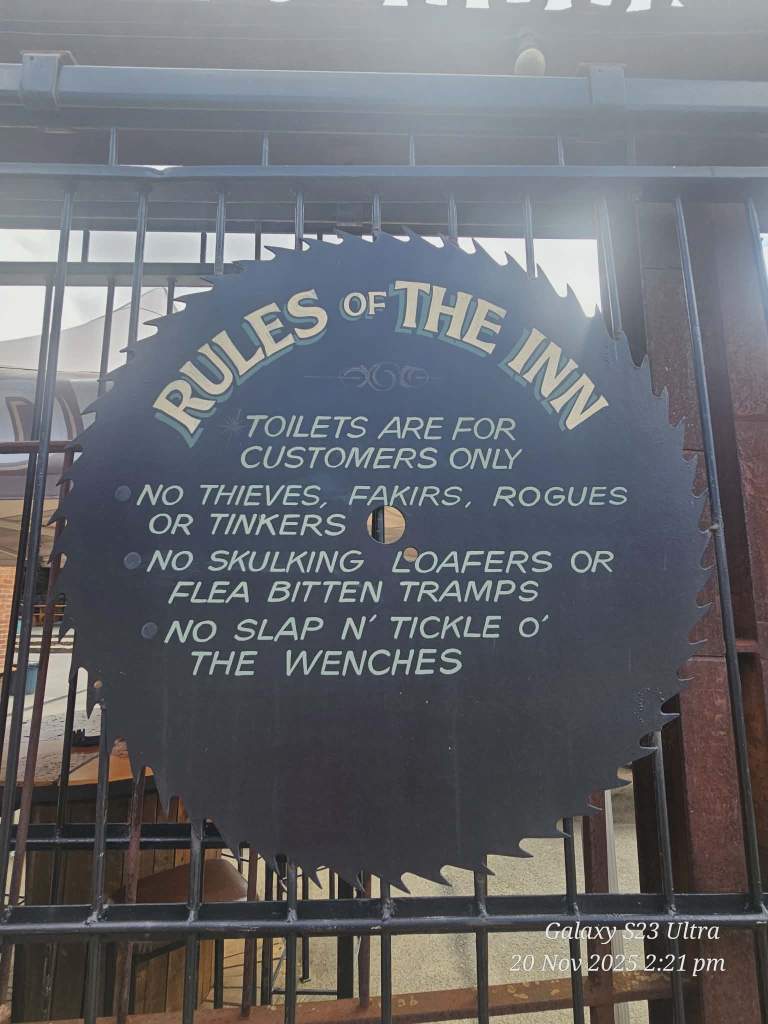
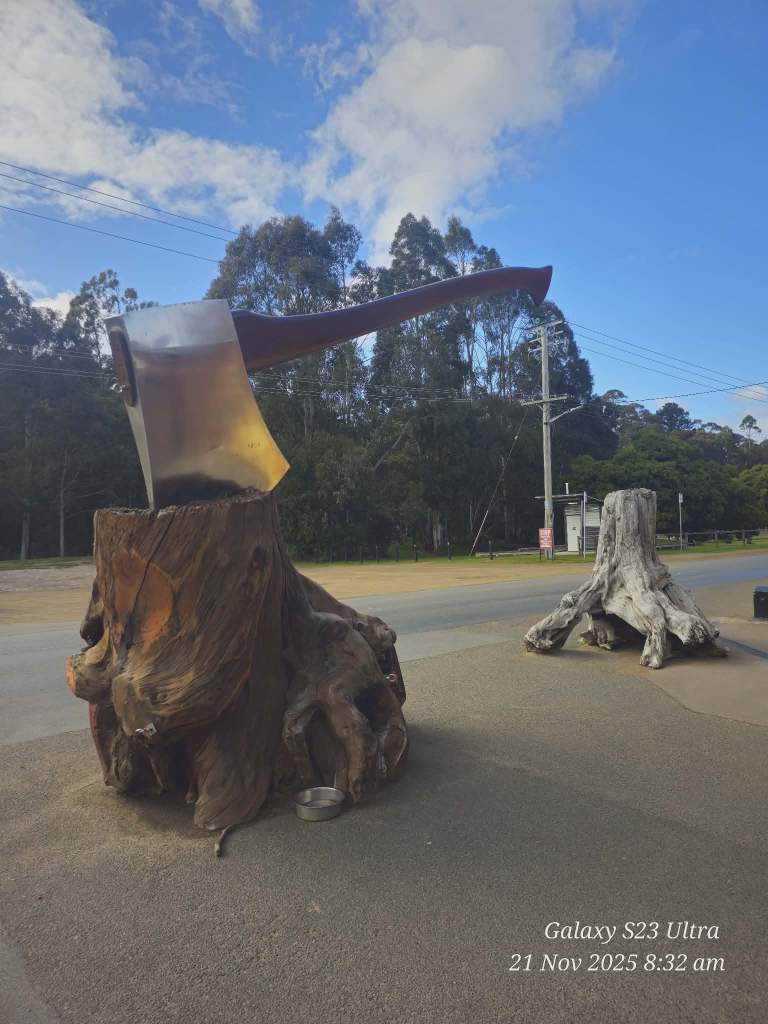
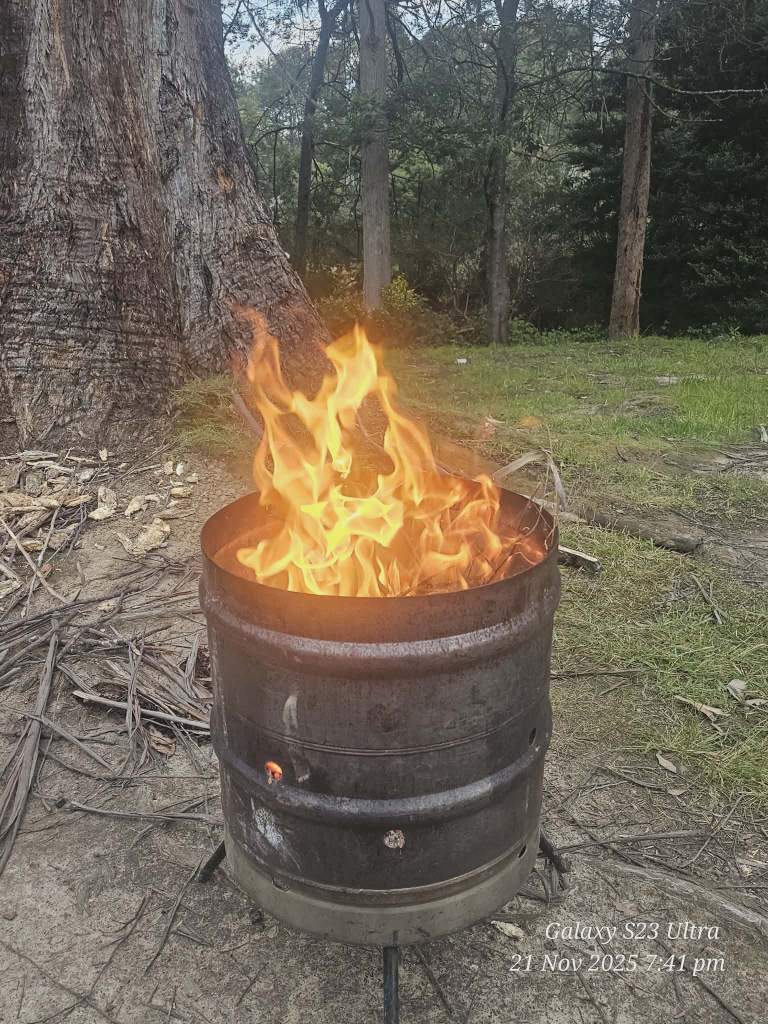
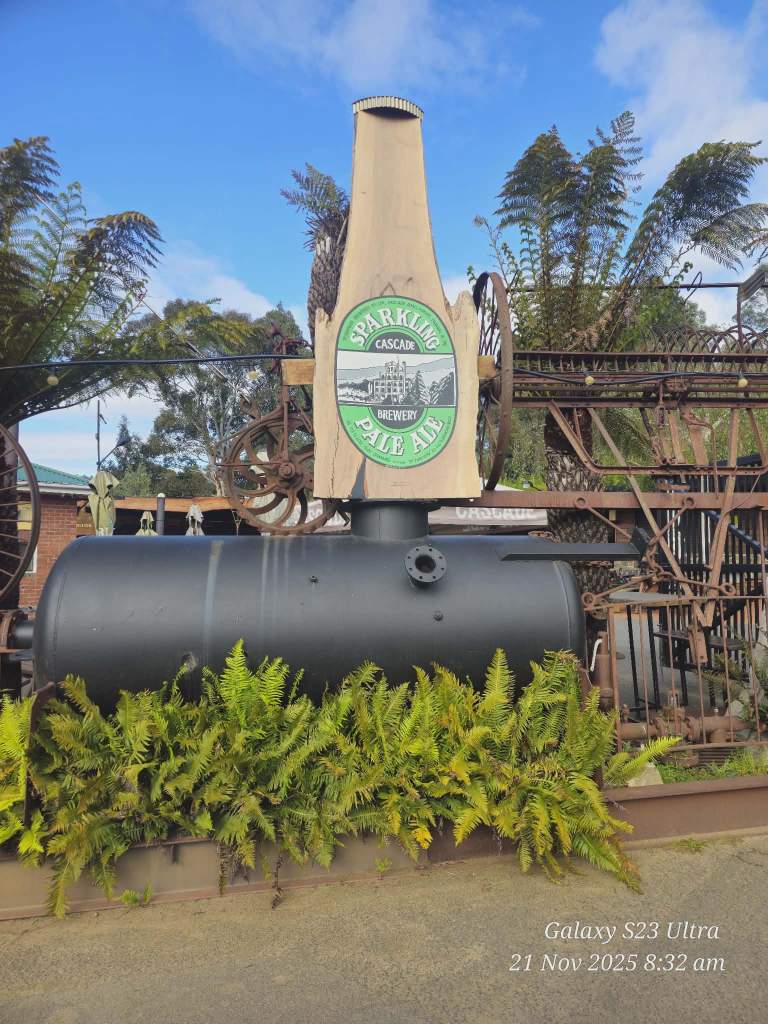
That night we camped opposite the Longley International Hotel, where the cost of dinner allowed us to stay the night. It was steak or parmi special night — and the porterhouse did not disappoint. The pub boasts the world’s longest Huon Pine bar and radiates history, hospitality, and community spirit.
Southport & the Southern Edge
Heading further south, we pulled into the Southport Hotel and Caravan Park, Australia’s most southern pub, and stayed for three nights. Our first mishap came quickly — the ground looked firmer than it was, and we got bogged. A local kindly came to the rescue with his 4WD. Lesson learned: hire vans don’t come with recovery gear.
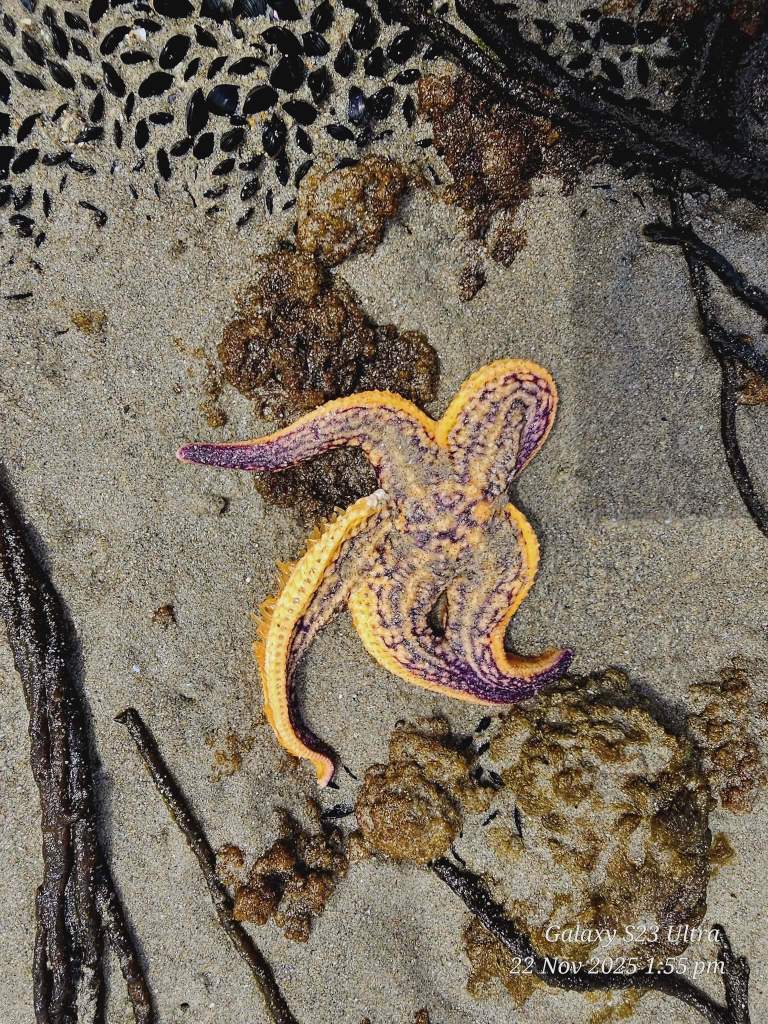
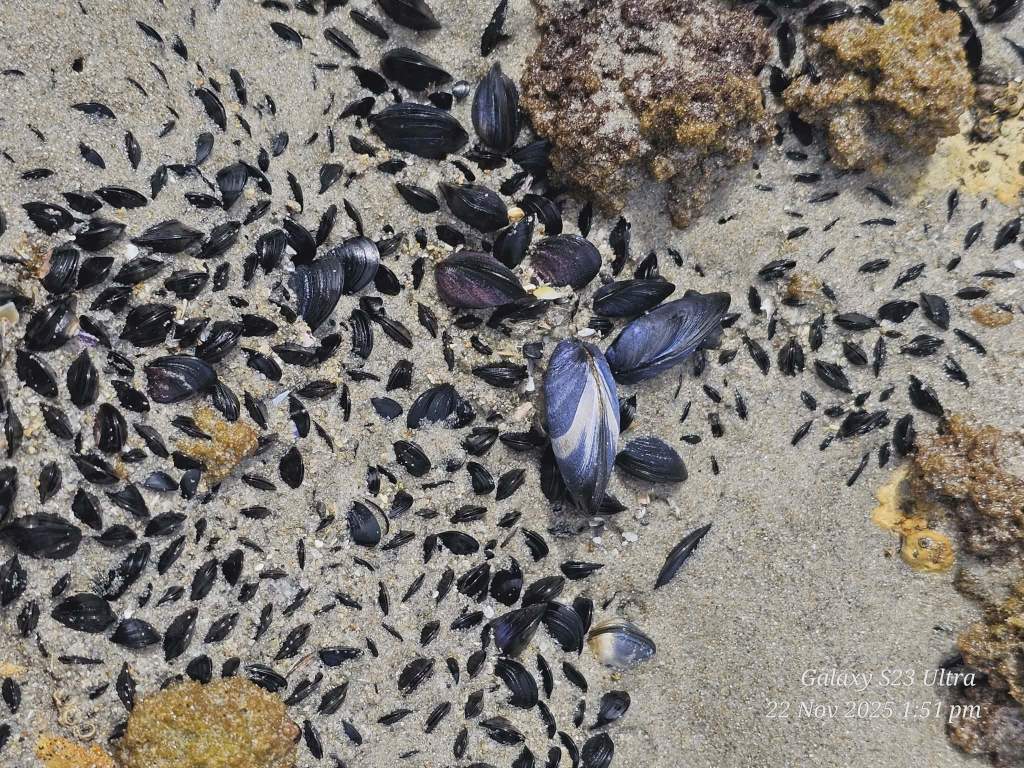
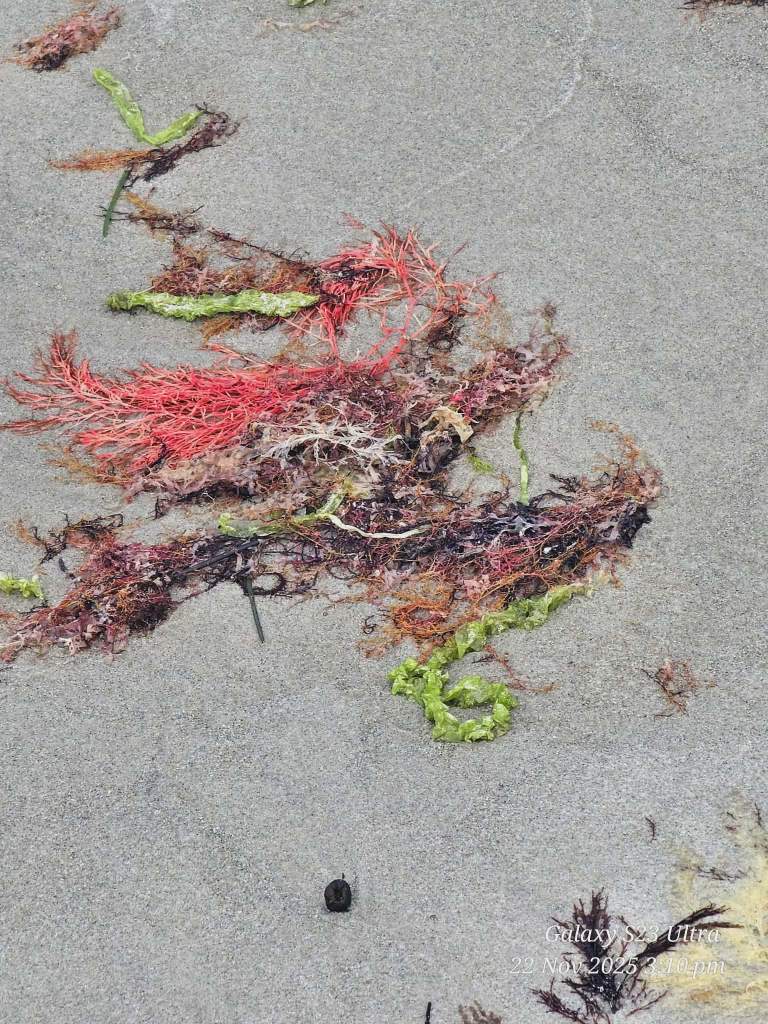
Mornings were spent beachcombing, discovering overnight treasures washed ashore. No two days were the same, and Google Lens helped identify sea creatures we’d never seen before. There is always something new to learn from the ocean.
After dinner and a campfire one night, we ventured out hoping to see the Aurora Australis. The predictions were good, but cloud cover and light pollution had other ideas — no dancing lights that night.
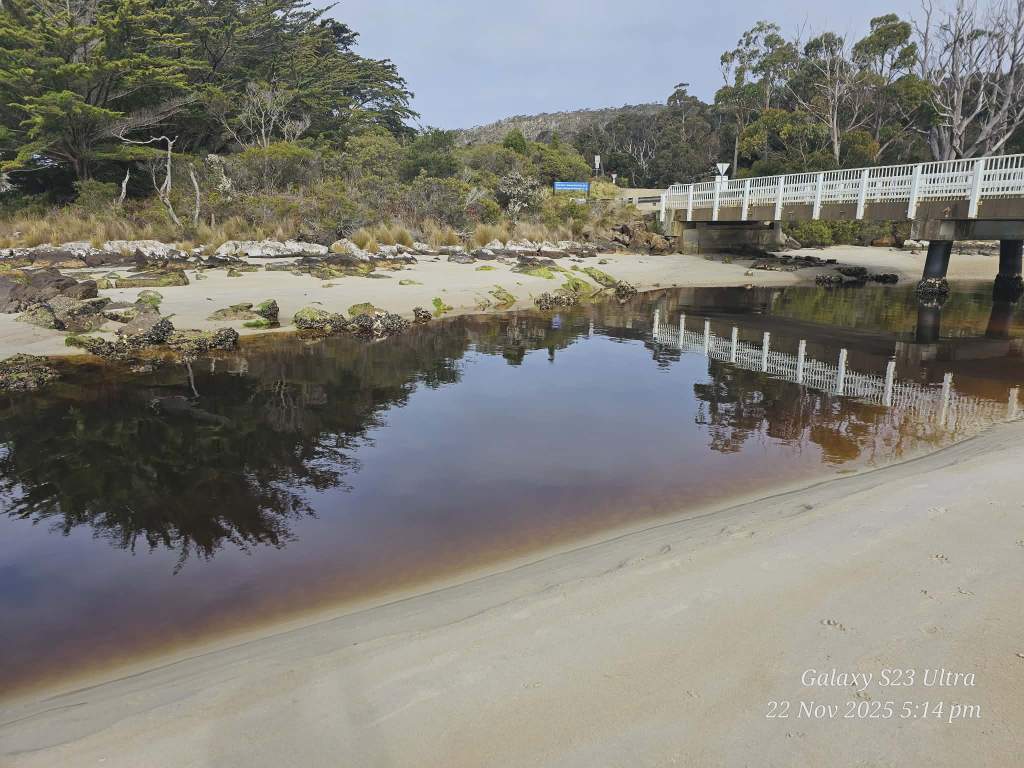
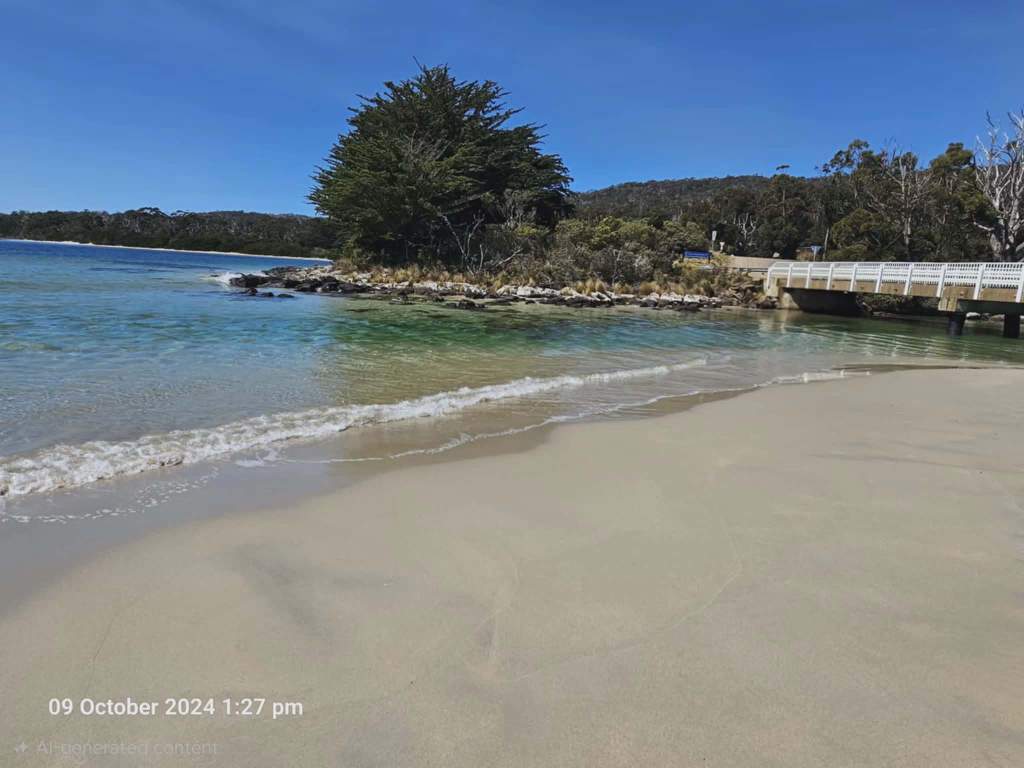
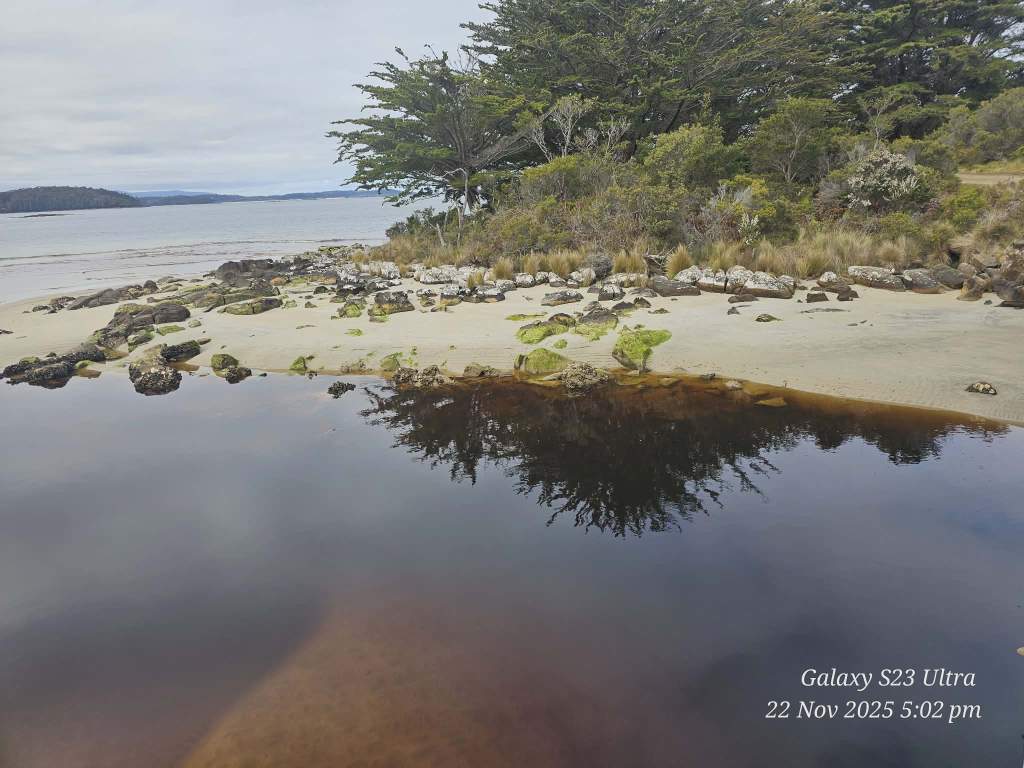
We took a day trip to Cockle Creek, where the road quite literally ends. An unspoilt stretch of coastline with free camping along the water. Last year the sea had been crystal blue; this time it was tea-brown from recent storms — different, but no less beautiful.
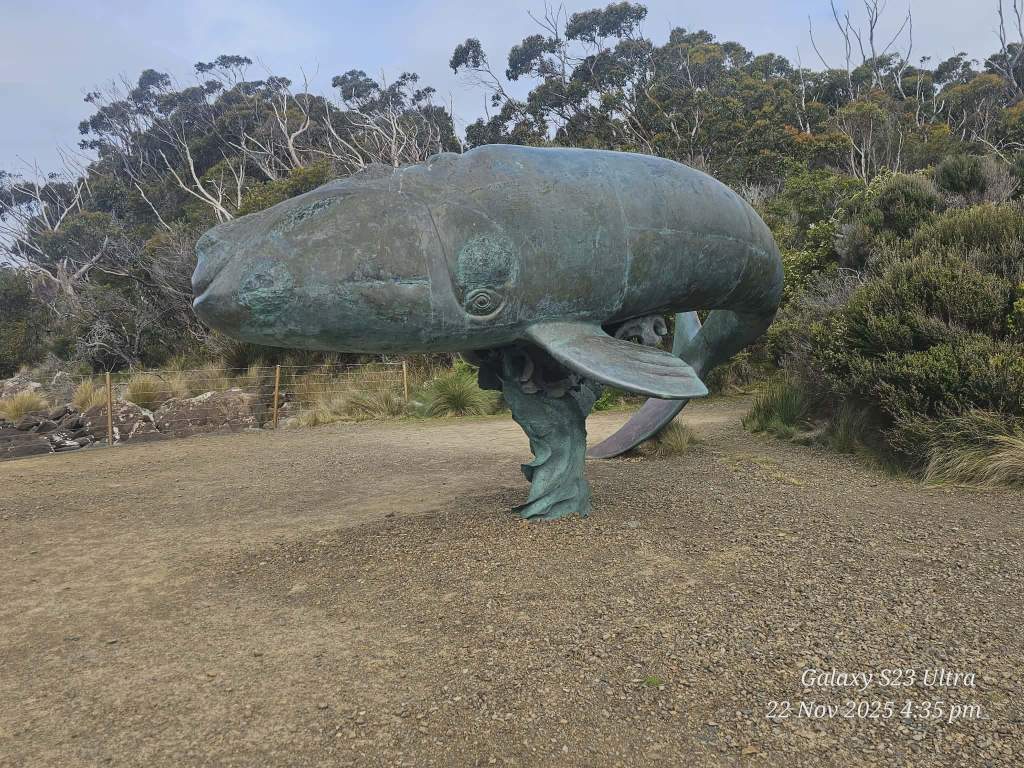
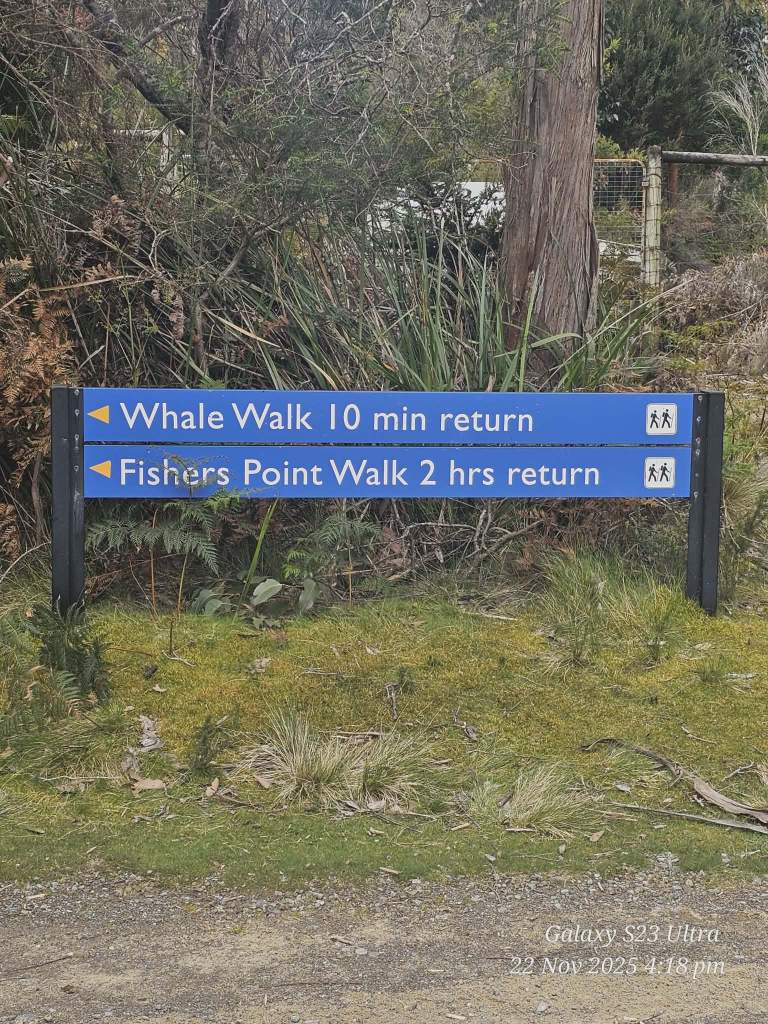
We also visited Adam’s Point, home to the Southern Right Whale sculpture, acknowledging the region’s whaling history and migration pathways.
The Journey Back
As time caught up with us — the hire vehicle due back and my travelling companion’s flight looming — we began heading back toward New Norfolk, stopping along the way.
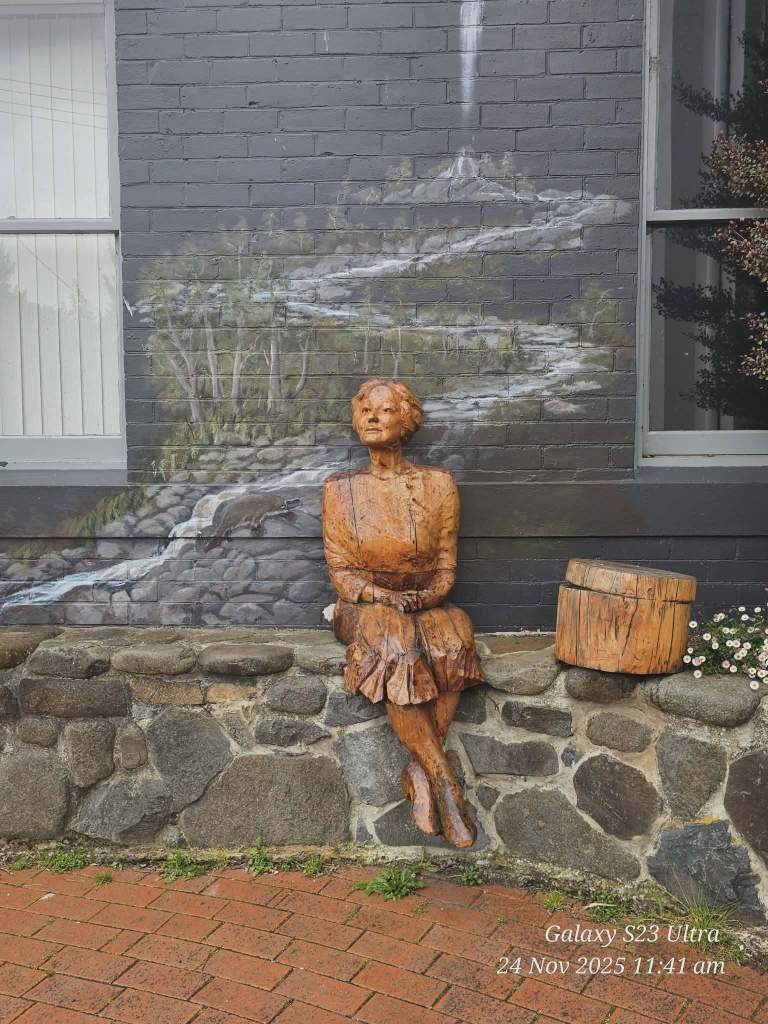
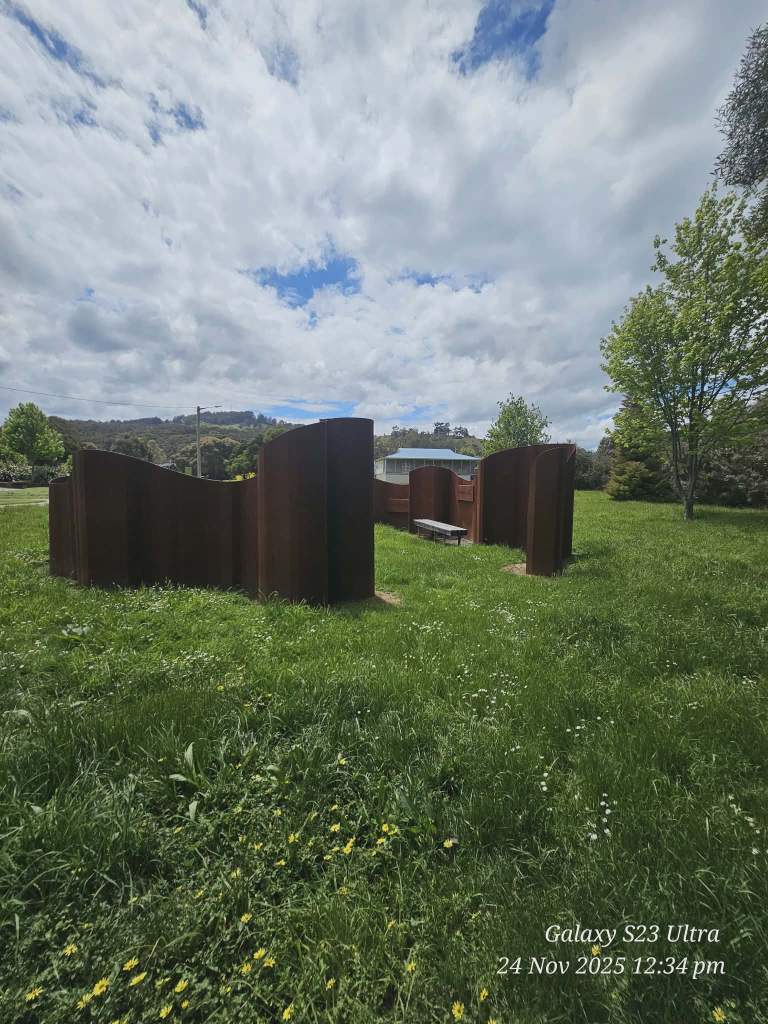
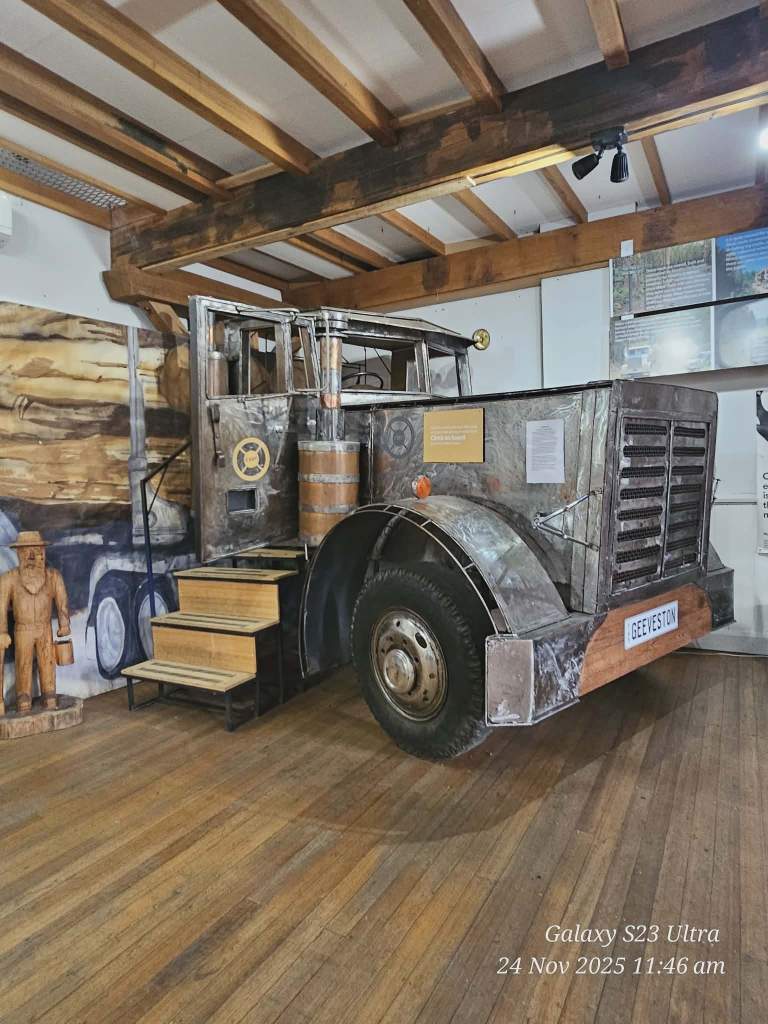
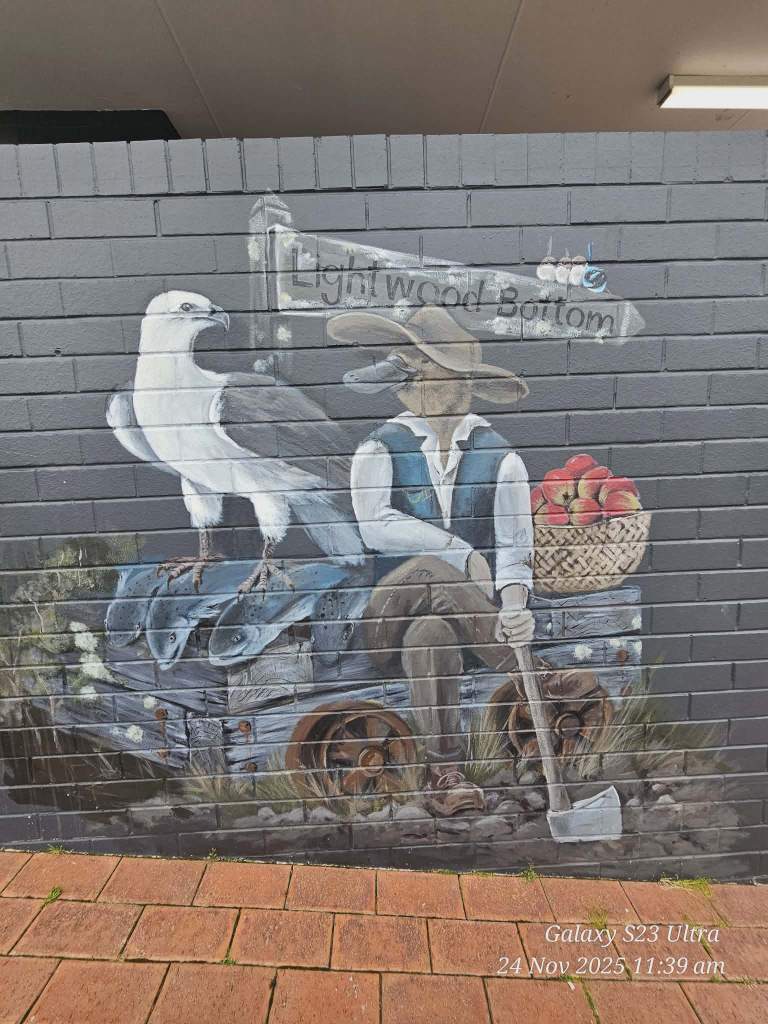
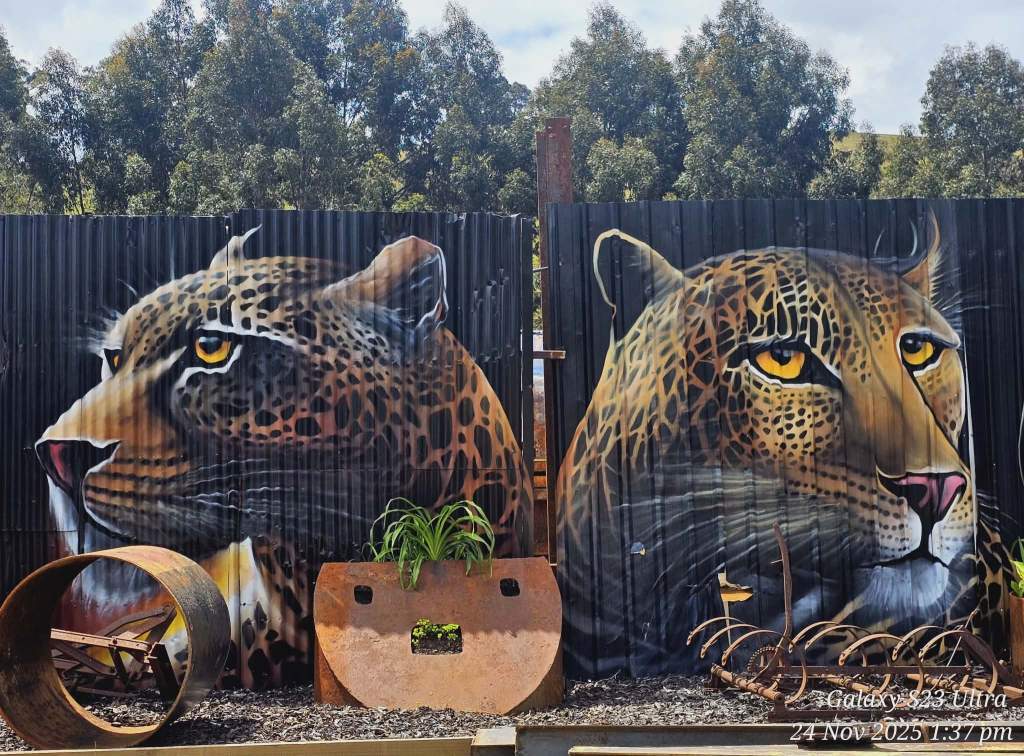
In Geeveston, we visited the heritage museum, the lolly shop, and admired the striking street art: life-sized timber carvings, murals, and yet another attempt at spotting a platypus (still no luck). We also visited the Forest Workers Memorial and the Arve Big Tree Sculpture, honouring one of Australia’s tallest swamp gums and commemorating the community’s resilience after the devastating 2019 bushfires.

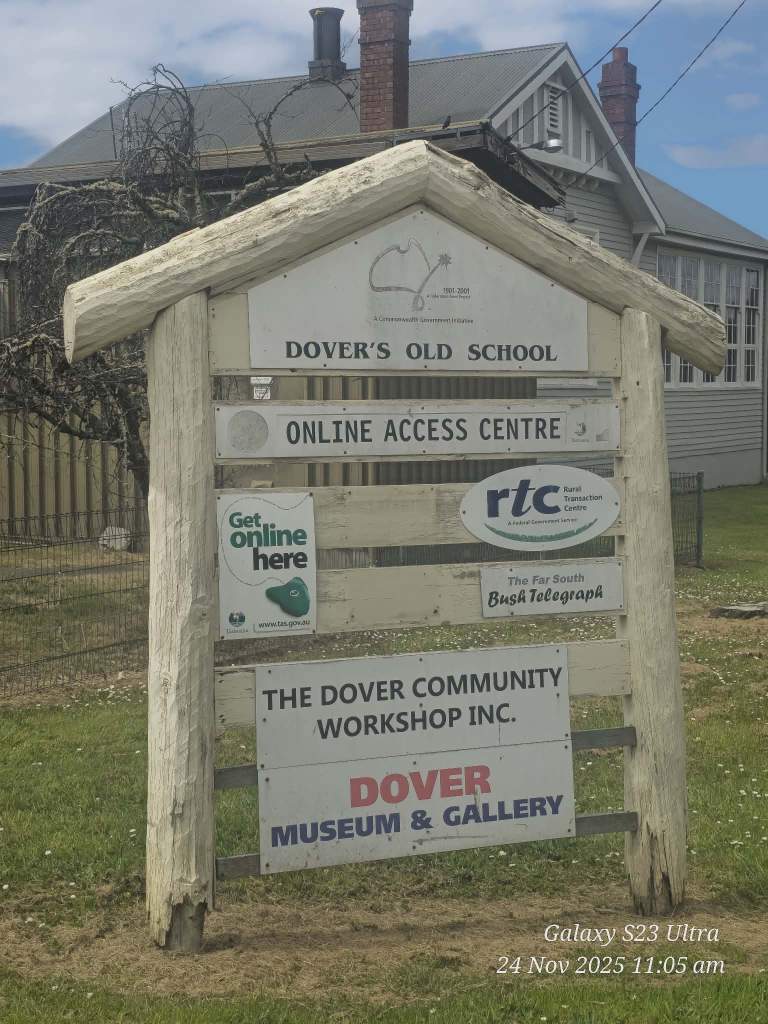
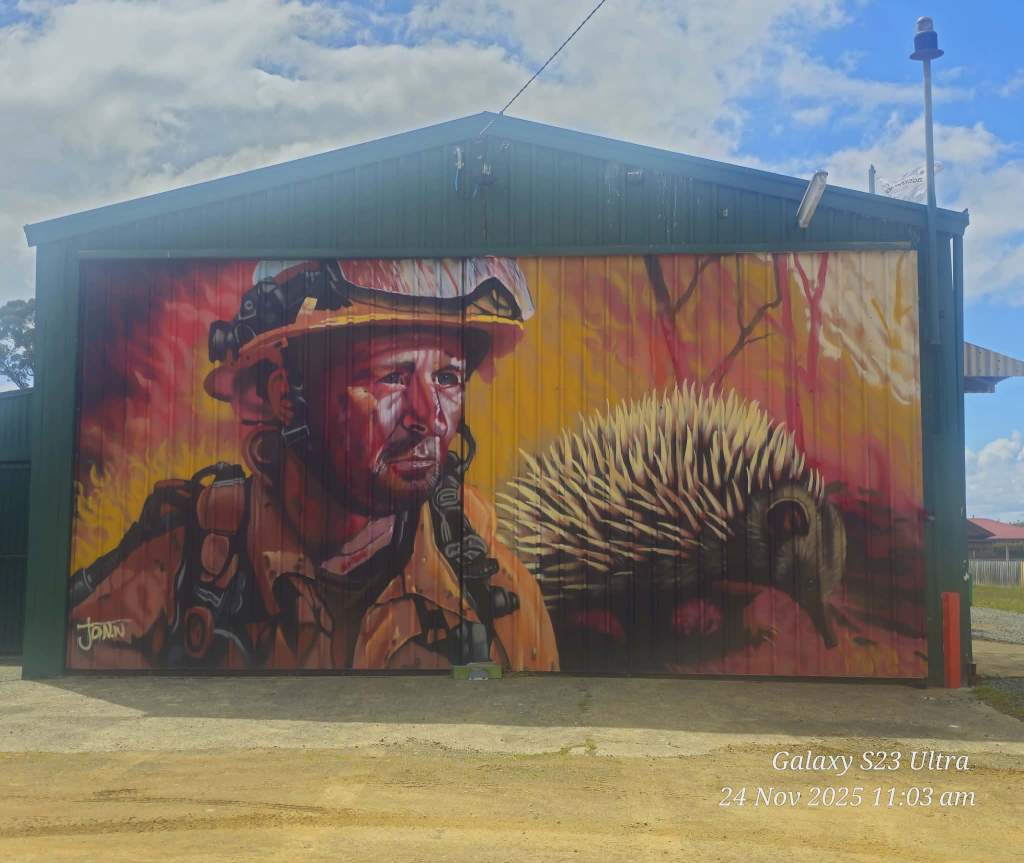
In Dover, we explored the museum, learning about maritime history and the shipwreck of the George III, and saw tributes to firefighters who battled the 2019 fires.
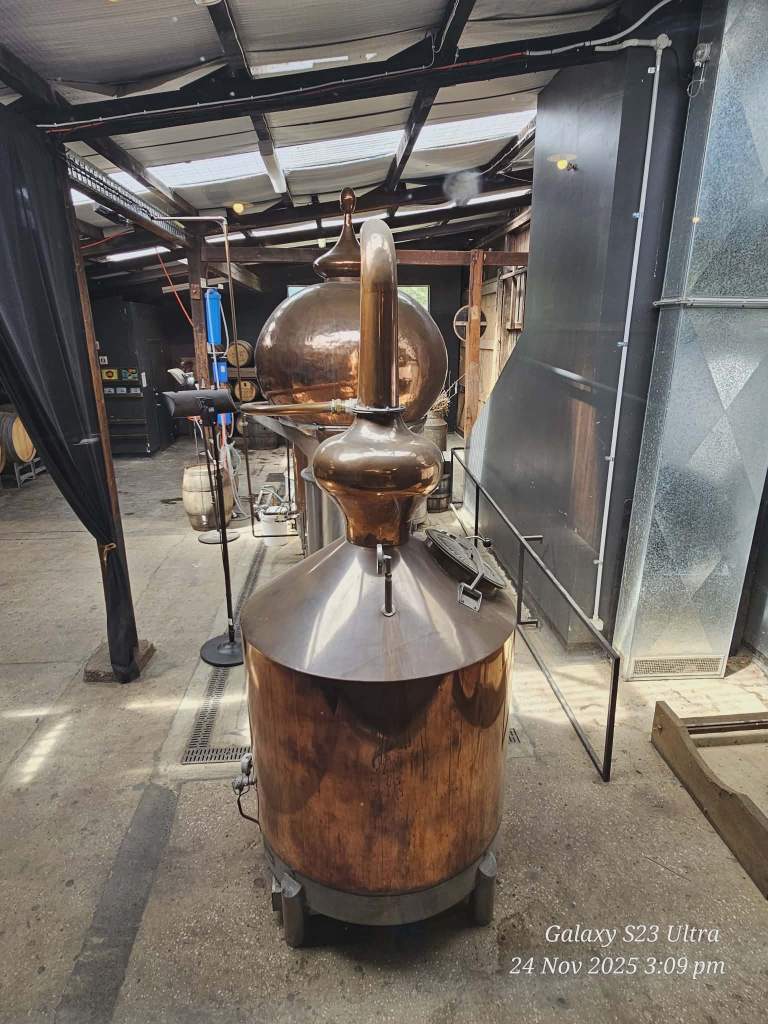
Our final stop before returning to New Norfolk was Willie Smith’s Apple Shed, where we learnt more about Tasmania’s apple-growing history — a fitting and gentle way to end the day.
That’s all for now.
The wrap-up will come next.
 Trischs Travels