Trischs Travels

Hi everyone. This is my travel page and where I will post photos and information from my travels. So if you are interested in following along and seeing what I am up to, this is the place to be. As many of you know it has always been my plan to travel Australia in my retirement years and I will do that but first I am following another dream that I put on the back burner for many years when I let ‘life get in the way’. I am heading to Spain shortly to walk a small part of the Camino de Santiago on the Frances route. https://followthecamino.com/en/camino-de-santiago-routes/

“You have brains in your head. You have feet in your shoes. You can steer yourself any direction you choose. You’re on your own. And you know what you know. And YOU are the one who’ll decide where to go…”

― Dr. Seuss, Oh, the Places You’ll Go!

  • 2025 in Retrospect

    As 2025 draws to a close, I’ve found myself looking back on a year that was big, bold, challenging, and deeply rewarding — one of those years that leaves its mark.

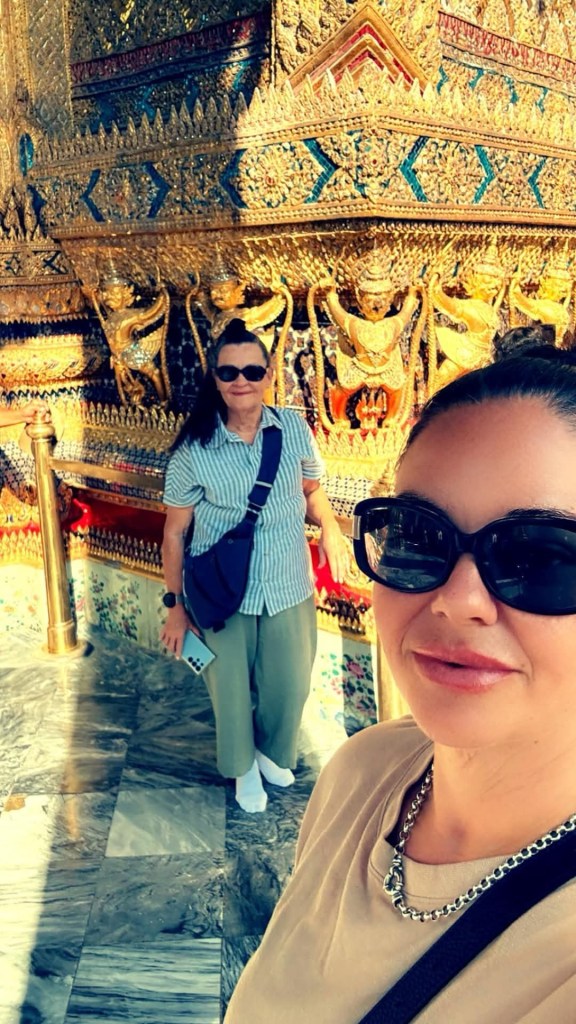
    January began in Bangkok, welcoming the New Year with my daughter as fireworks lit up the sky outside our hotel window. What followed was a whirlwind — magnificent temples with intricate architecture, the giant Reclining Buddha and the Golden Buddha, hands-on time with elephants at a sanctuary, the Louis Vuitton Visionary Journey exhibition, and a bus trip to the UNESCO World Heritage site of Ayutthaya, where ancient ruins quietly remind you of empires long gone.
    And then there were the shopping malls — vast beyond anything I’d experienced before, where seemingly anything you could imagine was for sale. Bangkok was exciting, colourful and full of life… but I’ll be honest, I didn’t miss the noise, the traffic, or the constant sensory overload that comes with a city of 18 million people.

    From there, it was back home and then off to Tasmania for a few weeks with my Tassie family — a place where there is always time to stop, breathe, and reset.
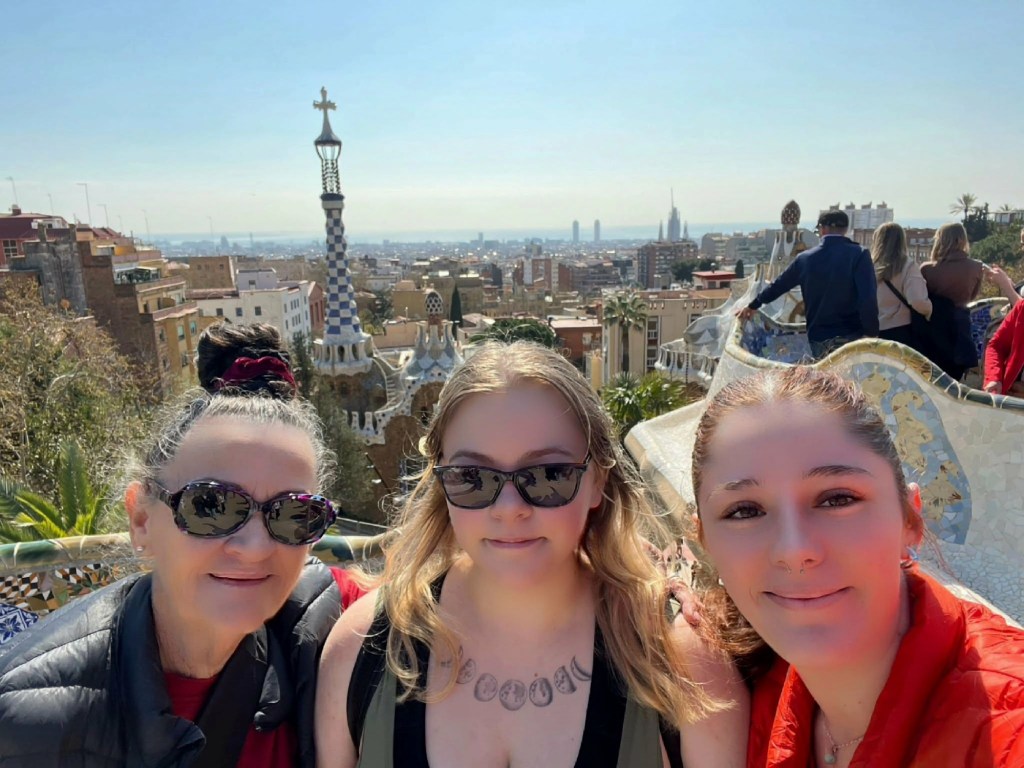
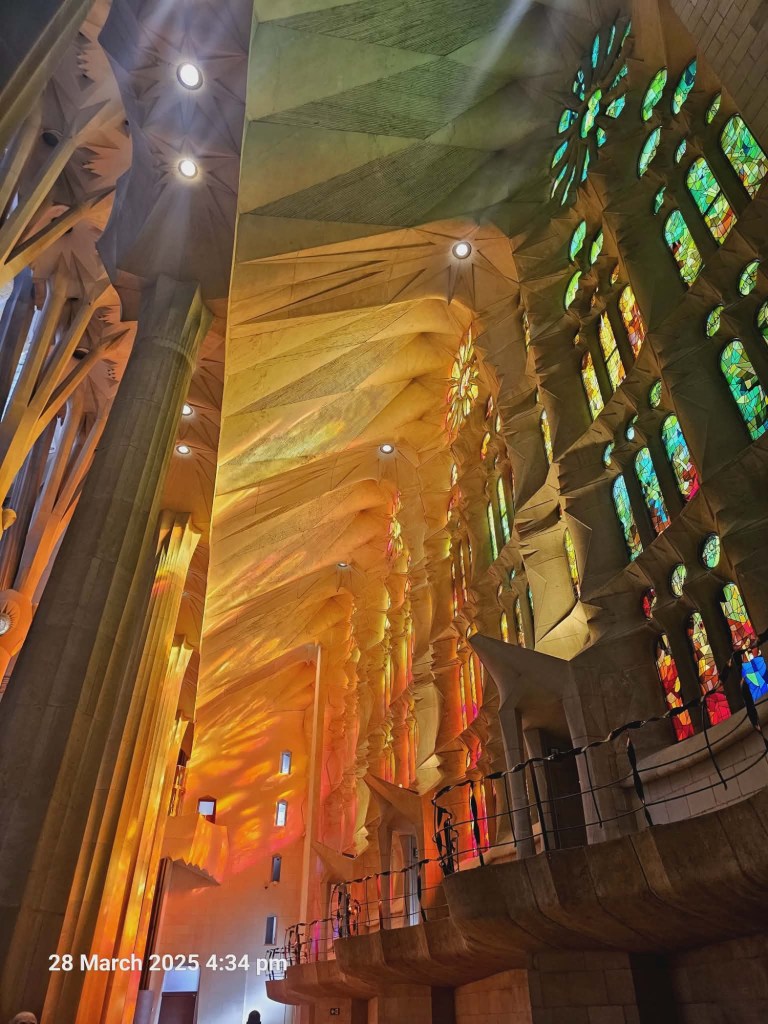
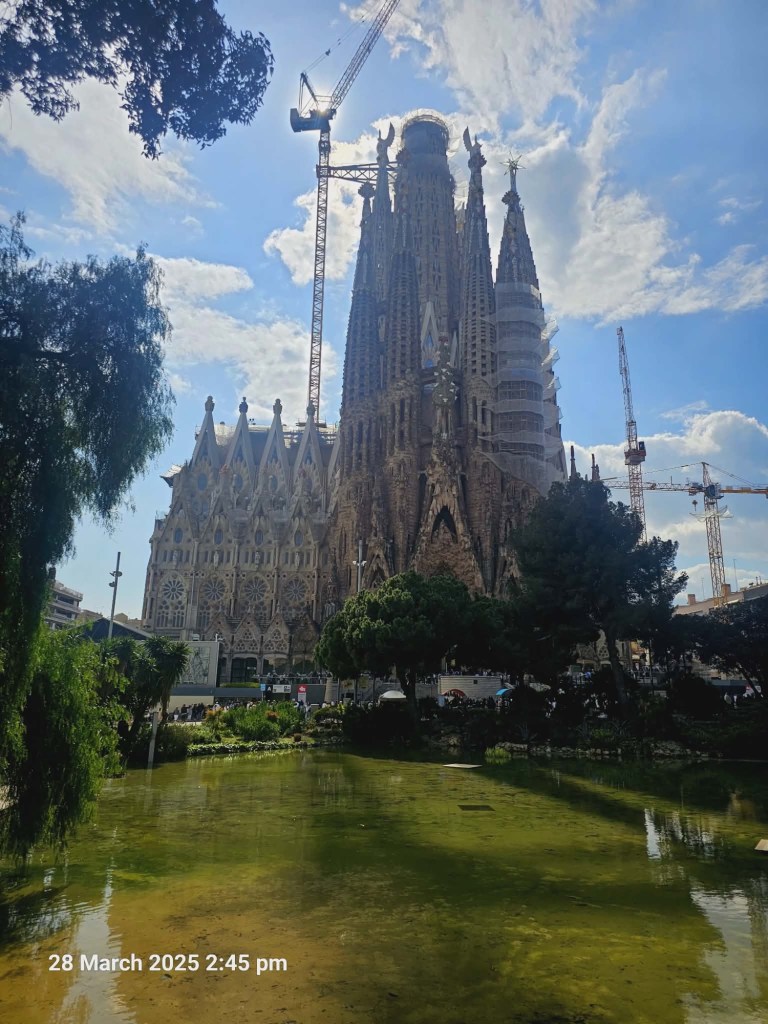
    The following months were devoted to training and planning for my Camino. In late March, I set off with my two adult granddaughters, first spending a few days in Barcelona. It was everything I’d hoped for and more. The Sagrada Familialeft me speechless — if you haven’t seen it, “spectacular” doesn’t come close. Park Güell and wandering the Gothic Quarter were also highlights.
    From there we travelled to Saint-Jean-Pied-de-Port, our Camino starting point. The trail over the Pyrenees had reopened the day before after winter closure. The week prior had seen perfect spring weather, and we were hopeful.
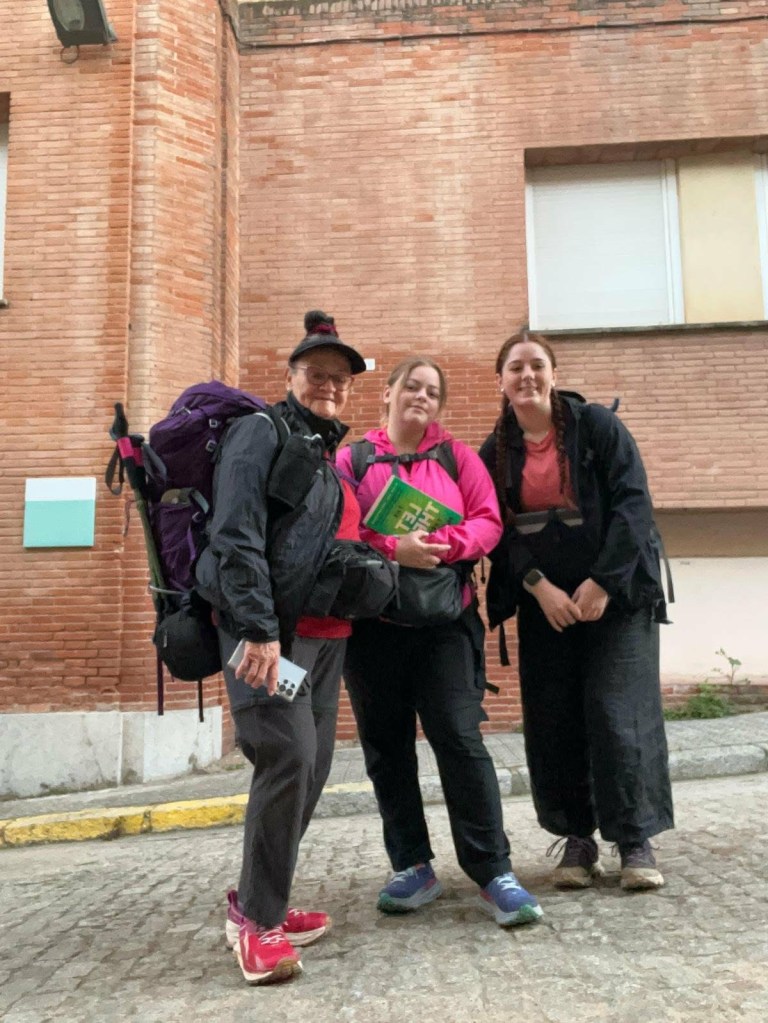
    Our optimism didn’t last long.

    The first day was glorious — blue skies, gentle breezes — but overnight the wind rose. Forecasts predicted 46km/h winds, which sounded manageable. What followed was a brutal reminder never to underestimate the Pyrenees. Wind gusts later recorded at 112km/h, icy rain and stinging ice pellets battered us, at times forcing us to walk backwards just to stay upright. Ponchos became parachutes, trekking poles had minds of their own, and turning back was no longer an option.

    It was terrifying at moments — but we made it. Plenty of life lessons were learnt, though that’s a story for another time.

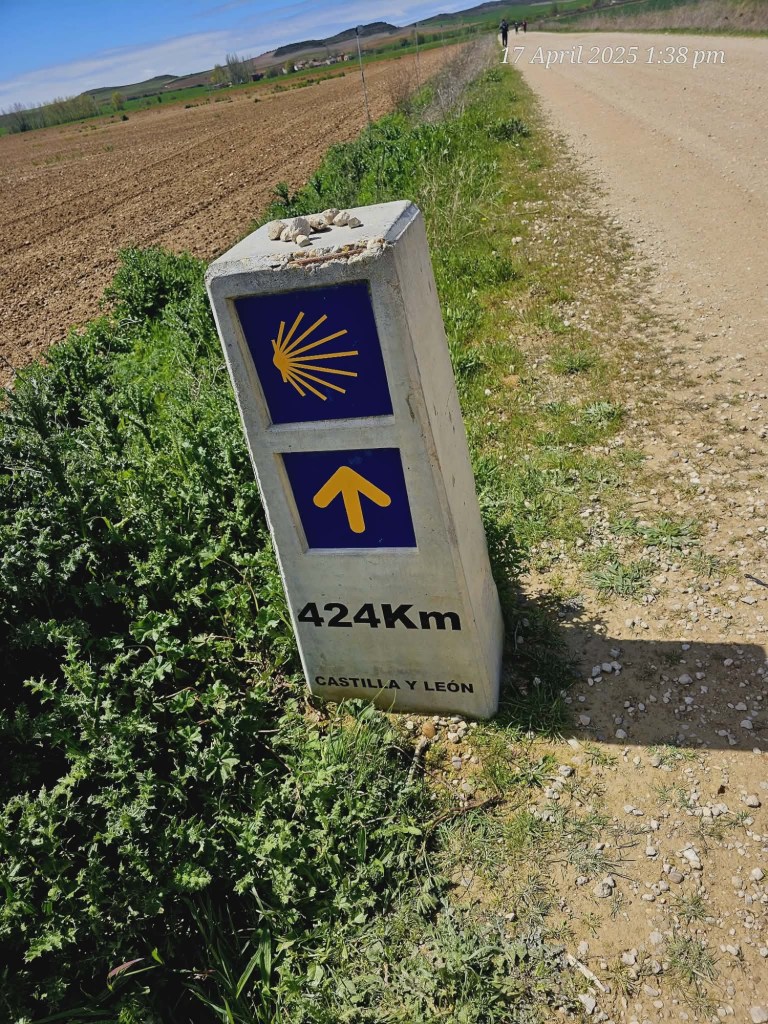
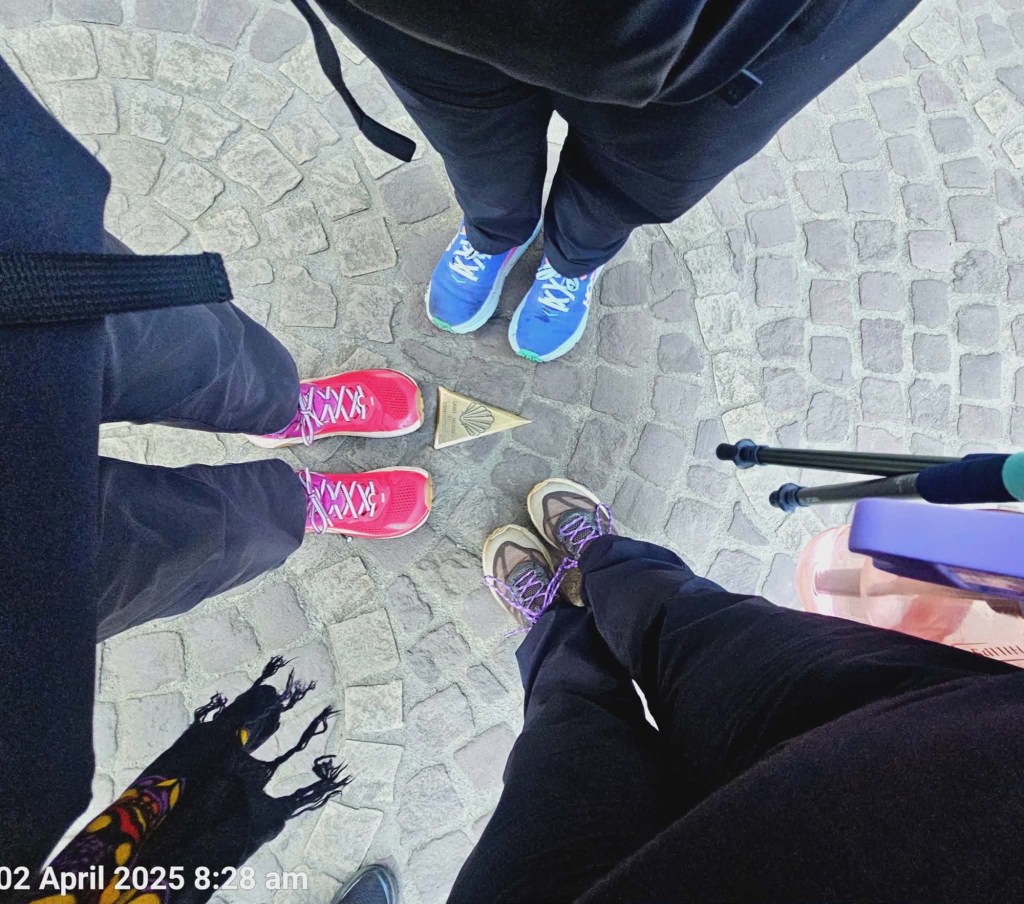
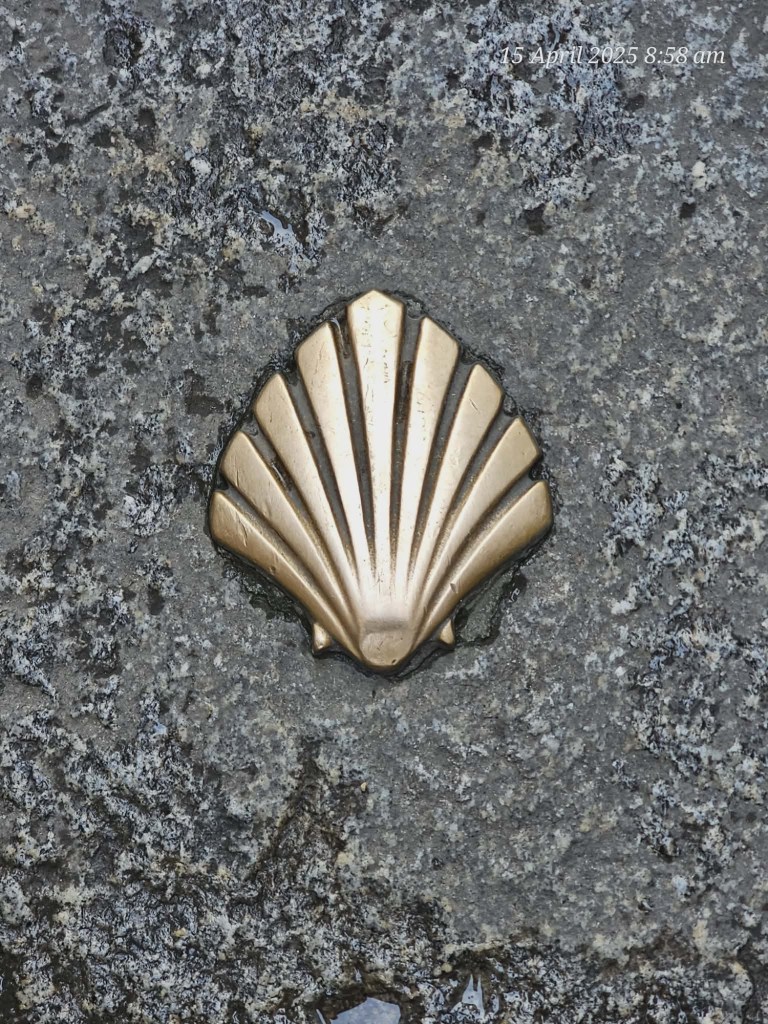
    For the next five weeks, we walked across Spain, following yellow arrows and scallop shells. Walk, eat, walk, eat, sleep — repeat — for 35 days. Madness? Possibly. Life-changing? Absolutely. Years ago I was asked why I would walk a pilgrimage and I had no answer. I still don’t — except that it gets into your blood and quietly calls you back. I know there will be more Caminos in my future.
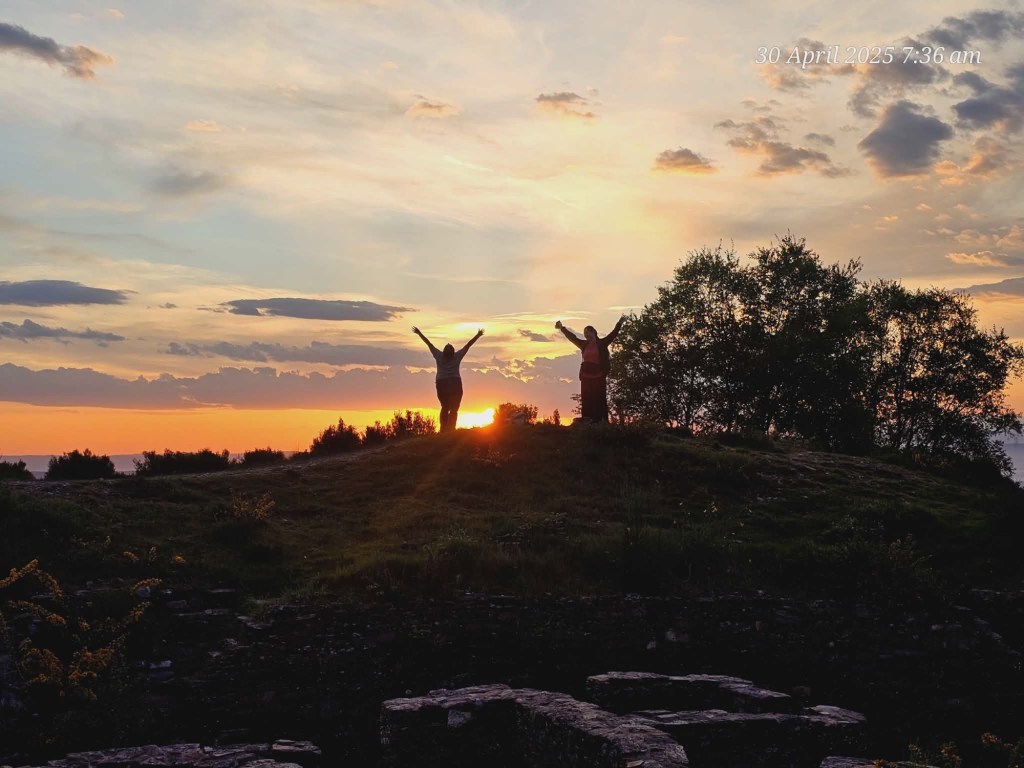
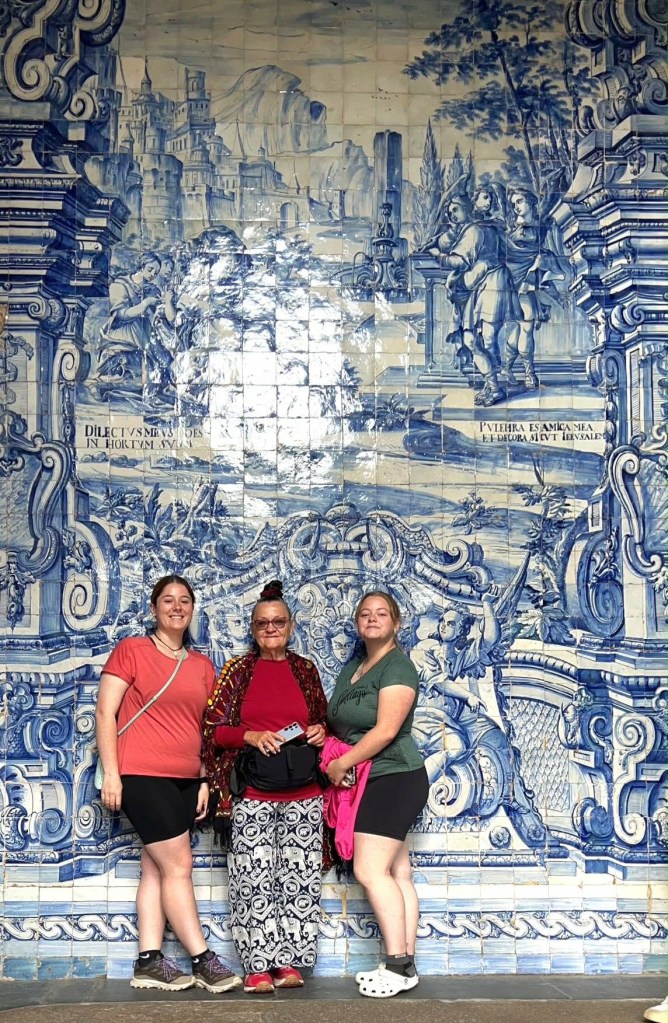
    At the end we treated ourselves to a few days in Porto, Portugal behaving like tourists, late nights and sleeping in before the dreaded long haul flight home.
    Returning home in mid-May brought the familiar post-Camino flatness as I adjusted back to everyday life. To distract myself from dreaming of Spain, I turned my attention to preparing my van for the Australian adventures planned for the rest of the year.

    A family wedding also kept me distracted for a bit and gave me something else to think about.

    In early September, I joined a Country Pub Tours tag-along trip — partly to test how I’d go with van life before heading off solo. Best decision ever. Travelling with about ten others, visiting historic country pubs each day, I quickly realised… I was hooked.

    Soon after, I headed to Geelong to board the Spirit of Tasmania, mapping out a road trip through NSW to visit as many silo art installations as possible. It was my first long-distance solo trip in the van, and I was quietly proud that it all went smoothly.
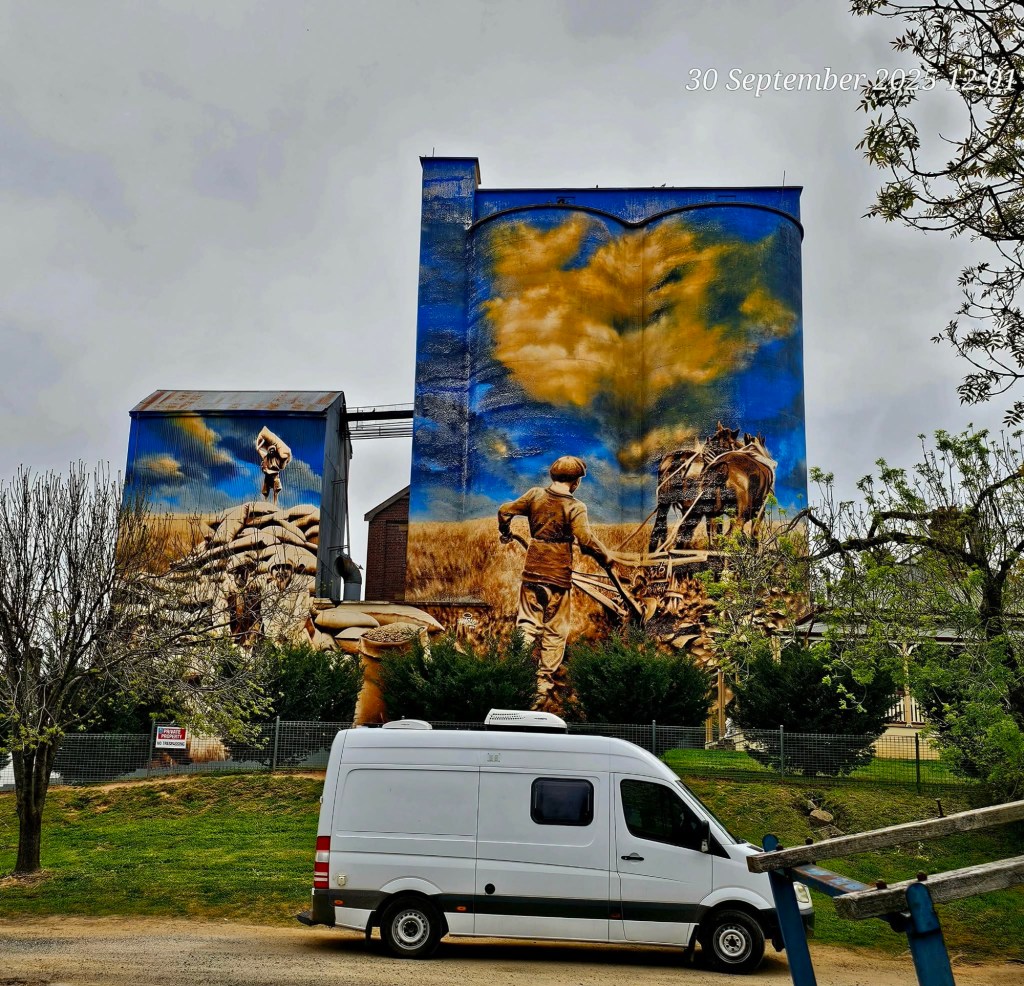
    Arriving in Devonport after an overnight Bass Strait crossing, I was greeted by ferocious winds that made keeping the van on the road an adventure in itself. Tasmania, as always, had more surprises in store — including my van being off the road for several weeks. Yet another story for another time.

    A hire van saved the day, and I was able to continue travelling, this time with a friend visiting Tasmania for the first time. Despite bitterly cold winds and bedding that felt like sleeping on the floor, we had an absolute ball. Highlights included spectacular beaches, turquoise waters, ever-changing landscapes — and an unforgettable Aurora Australis, with lights dancing along the horizon just for us.

    As we head into 2026, I’m back in Queensland briefly, already planning the next chapter. Tassie until April, then north through the centre to Darwin, and across to Western Australia.

    If 2026 is anything like 2025, I’m ready.

  • Tasmania – A Journey That Lingers

    As this journey around Tasmania comes to a close, I find myself reflecting not just on the places we visited, but on how deeply this island leaves its mark.

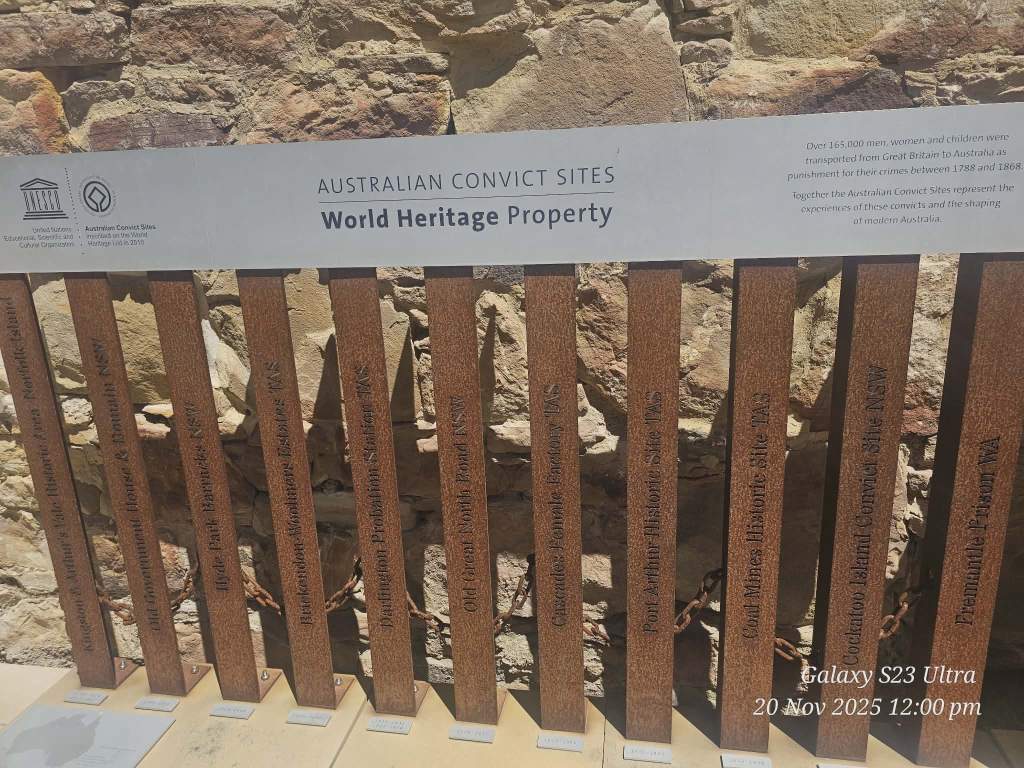
    Tasmania is a land of contrasts — wild coastlines and gentle forests, beauty layered with brutal history, silence that speaks louder than words. Everywhere we went, stories were etched into the landscape. Convict ruins softened by moss. Memorial gardens offering peace where tragedy once unfolded. Communities shaped by hardship, resilience, fire, and flood — and still standing.

    What struck me most was the human story woven through it all. The women of the Female Factories, punished for poverty, for survival, for existing on the margins of society. Their strength, defiance, and refusal to be erased echoes long after the walls that confined them. The men and women who worked the forests, the seas, the land — and the communities that continue to honour them.
    And then there was the natural world.
    The ocean, endlessly carving rock and reshaping the coastline. Tessellated pavements that feel almost otherworldly. Beaches that offer up new treasures each morning. The quiet thrill of searching for platypuses, the patience of waiting for an aurora that may or may not appear. These moments slow you down. They invite you to notice.

    Travelling this way — unhurried, open, curious — reminds me why I love the road. Even when plans change, vehicles break down, or the ground isn’t quite as firm as it looks, there is always kindness. Locals who help without hesitation. Conversations in pubs that feel timeless. Shared laughter over meals and campfires.

    Tasmania doesn’t demand your attention loudly. It asks you to listen.
    To sit with its stories.
    To walk gently.
    To remember.

    I leave with sandy shoes, a full heart, and a deep gratitude for this island and all it has shared. Some journeys end when you return home. Others stay with you — shaping how you see the world long after the road runs out.

    This one will linger.

    I am back home in Queensland for a few weeks before I head back to Tassie and all she has to offer.

    My plan for the following three months is to visit some areas I have not yet seen and base myself in each area a week at a time, giving myself time to truely explore.

    Watch this space…….


  • Week 4 – Convict Stories, Wild Coastlines & Southern Horizons

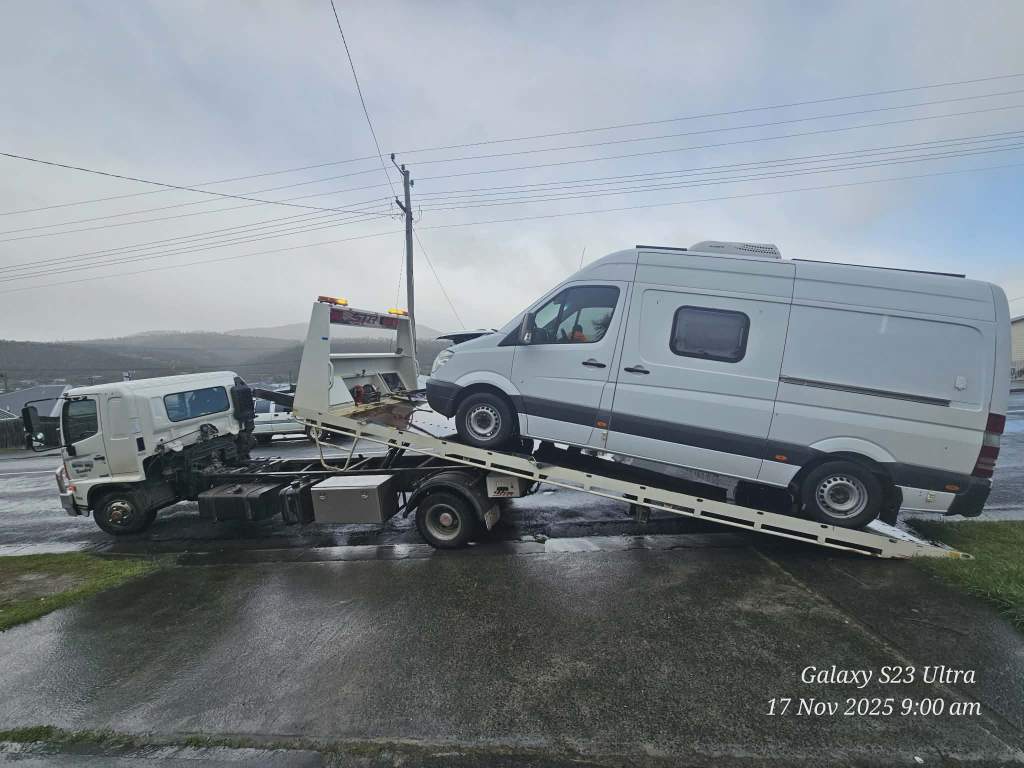
    Week 4 began quietly in New Norfolk, where we spent a few days organising my van before it was collected by tow truck and taken off to the mechanics. These slower days gave us time to pause, regroup, and take a breath before continuing east.

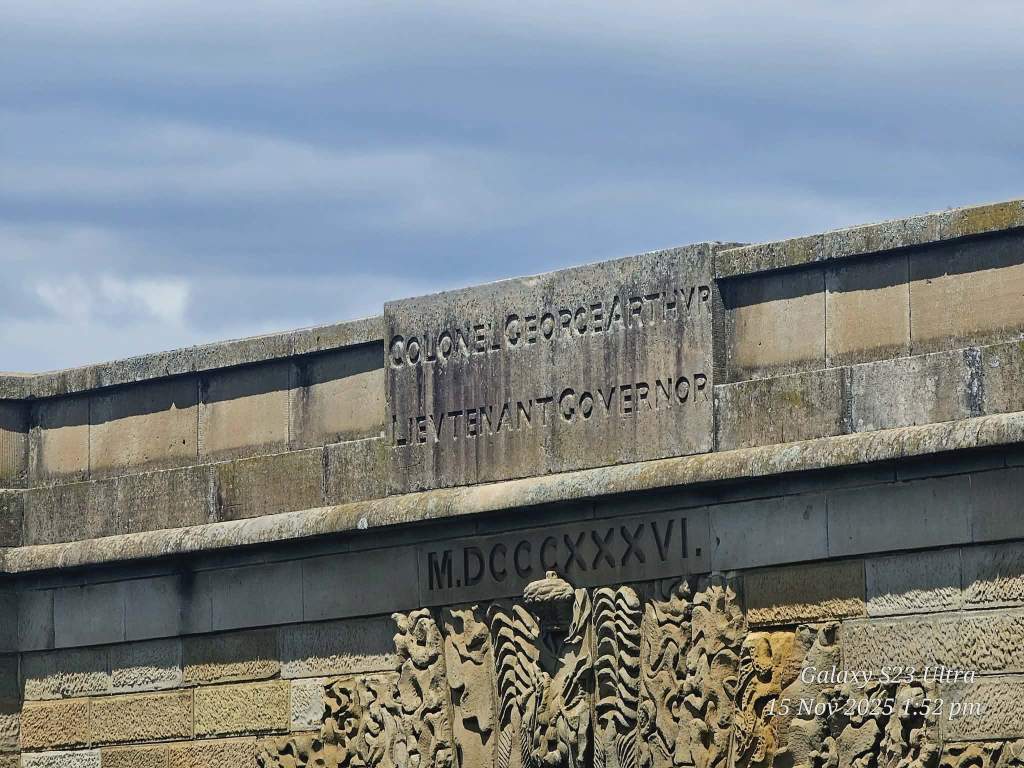
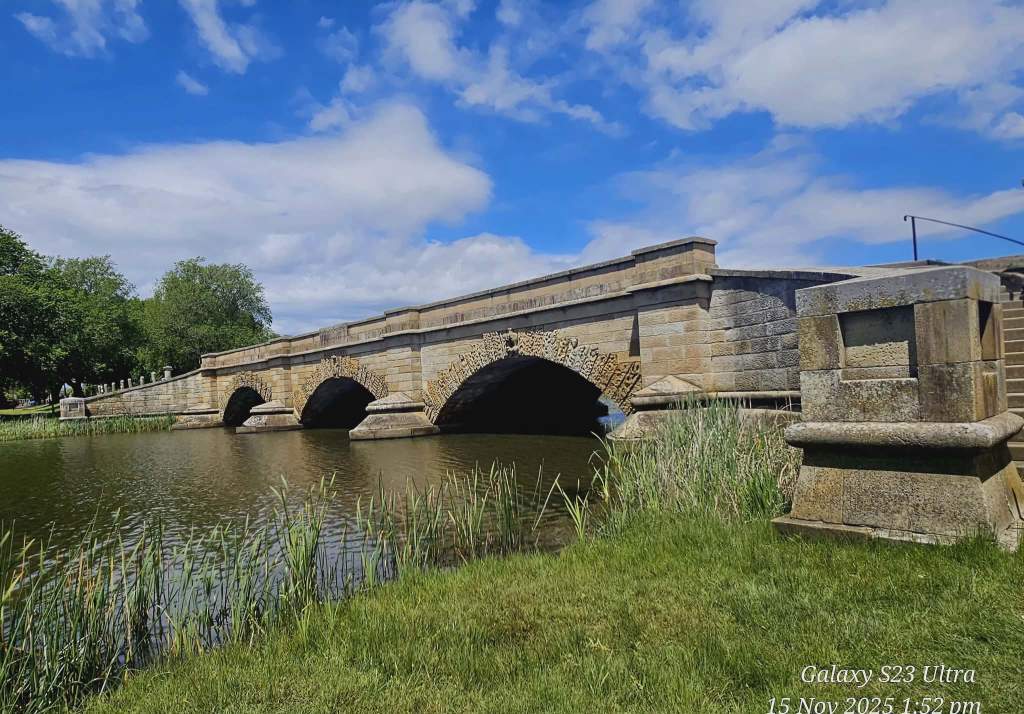
    On Saturday, we set out on a day trip to the historic township of Ross. Wandering through town, it’s impossible not to feel the weight of history beneath your feet. The convict-built sandstone bridge, completed in 1836, remains one of Australia’s most remarkable colonial structures. Its 186 intricate carvings — each one symbolic — transform the bridge into a piece of living art, still carrying traffic almost two centuries later.

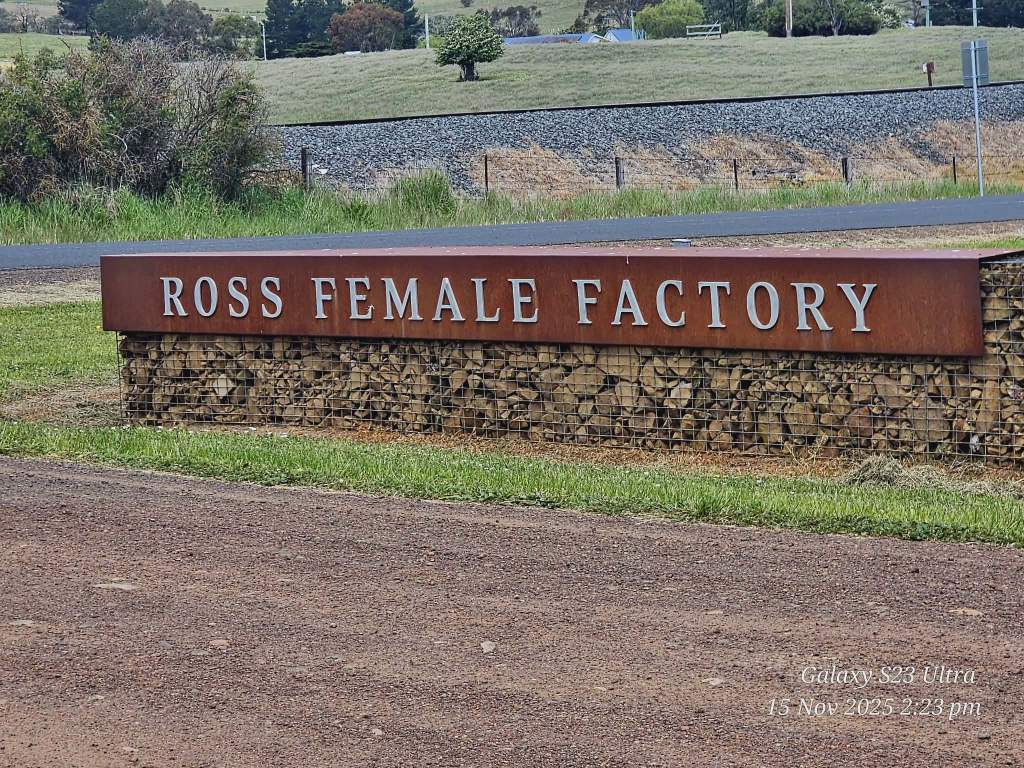
    Nearby, we visited the Ross Female Factory, a former convict probation station and workhouse for women and their babies between 1847 and 1854. These places were officially intended as sites of rehabilitation, preparing women for life after incarceration. The feminist part of me couldn’t help but feel it was also deeply entwined with how women were viewed — as property, as labour, as something to be managed rather than understood.

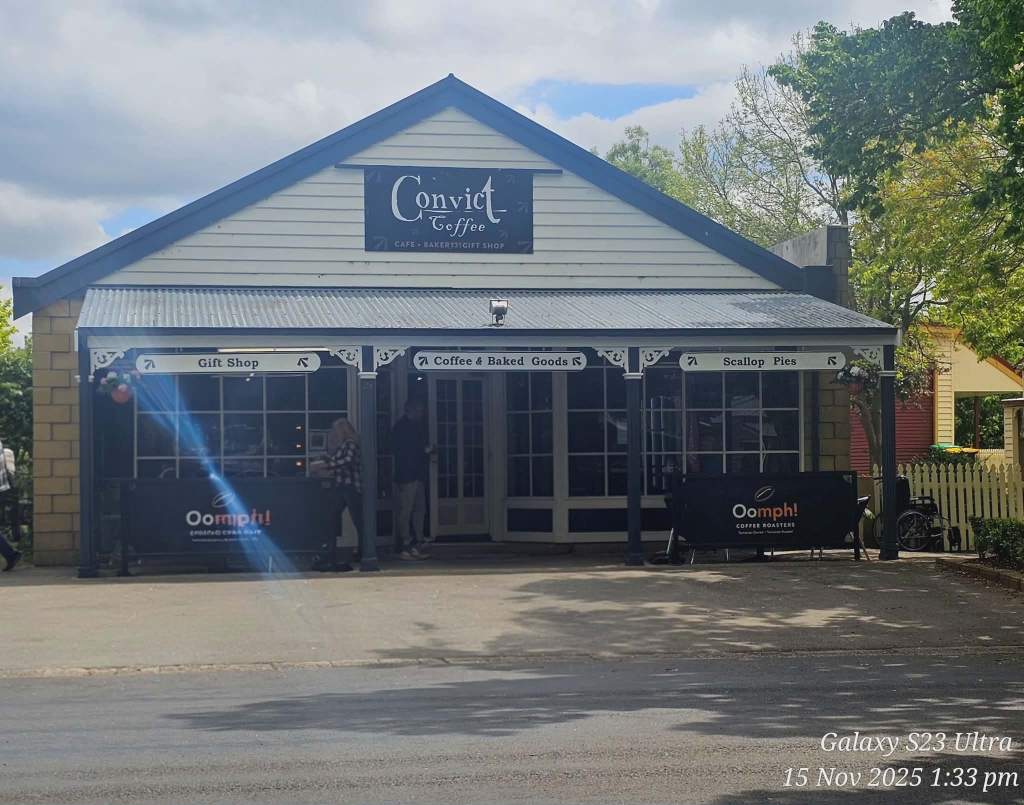
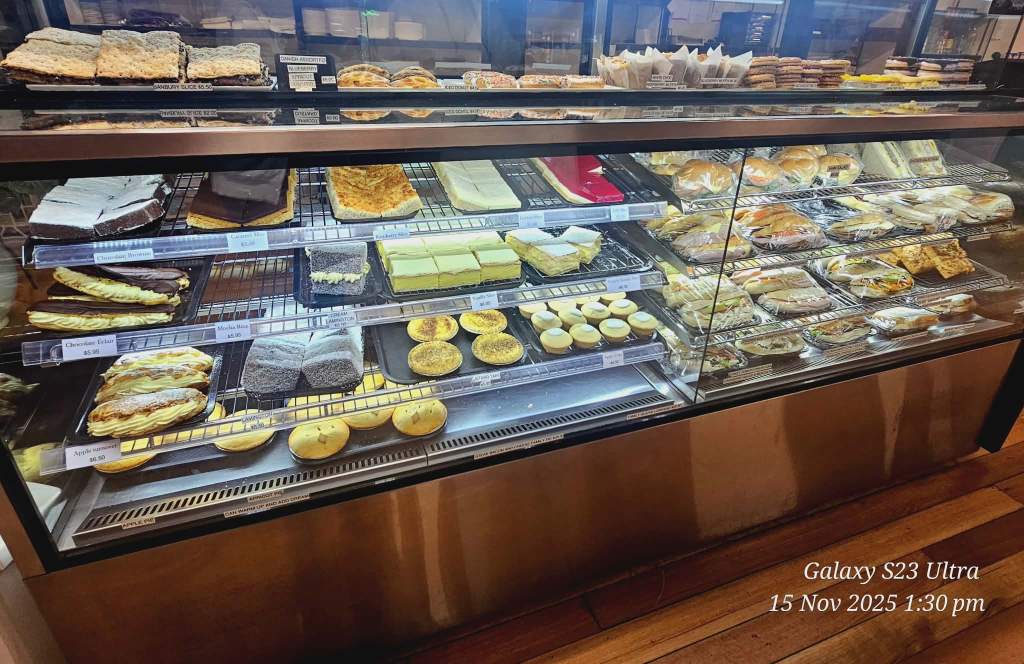
    Afterwards, we enjoyed lunch at the Convict Coffee Café and Bakery — not the place most people automatically think of in Ross, but a gem nonetheless. The meal was excellent, and we couldn’t resist taking home a few decadent desserts. Definitely one for the return list.

    Once the van was finally sent off on Monday, we turned our replacement vehicle toward the Tasman Peninsula.


    Port Arthur & the Tasman Peninsula

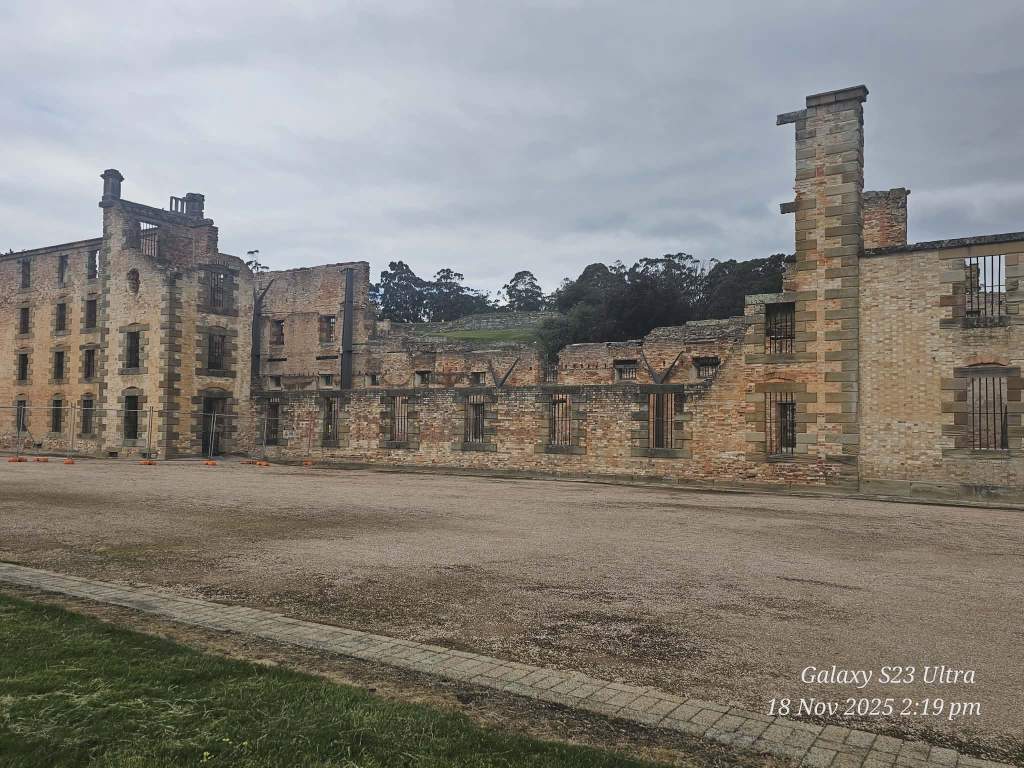
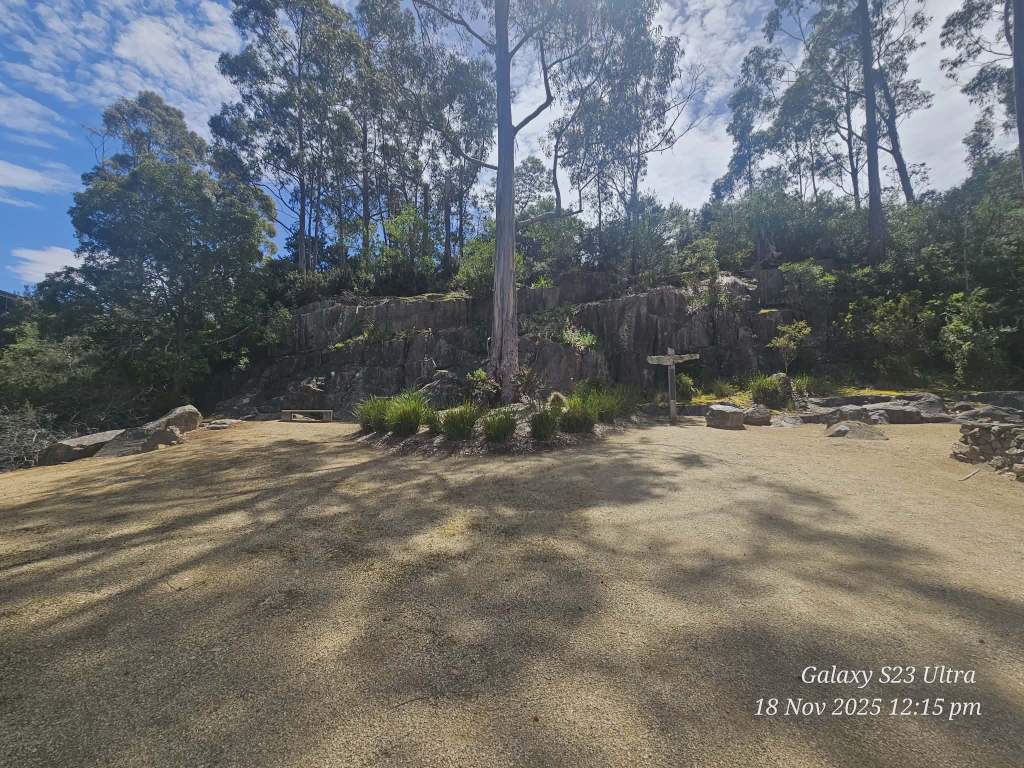
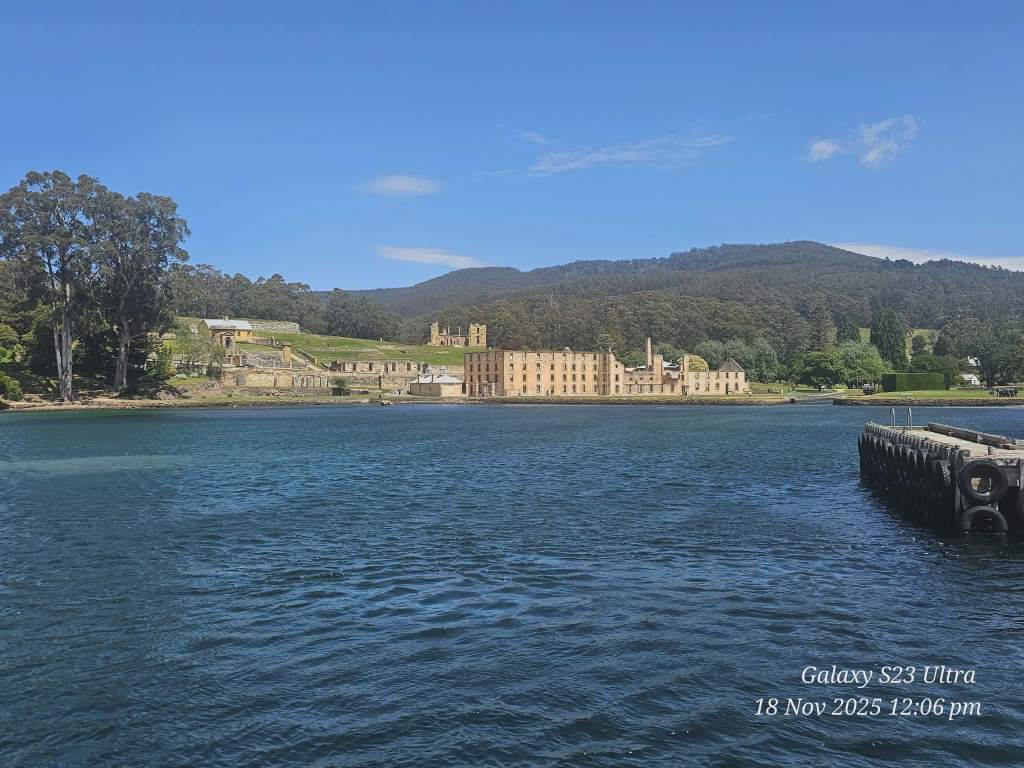
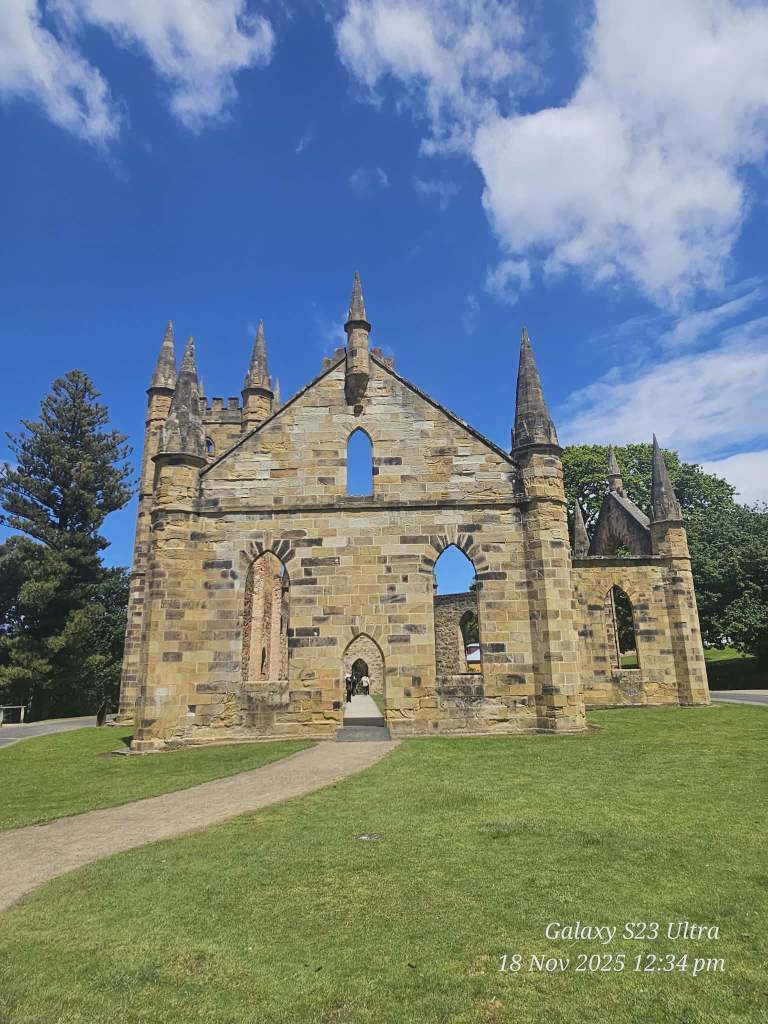
    Port Arthur was next. We spent several hours wandering the site, absorbing the stories held within its walls. The memorial gardens, dedicated to the victims of the 1996 massacre, are gentle and peaceful — a place that encourages quiet reflection. Standing there today, it’s almost impossible to comprehend the events of that day when 35 innocent lives were lost.

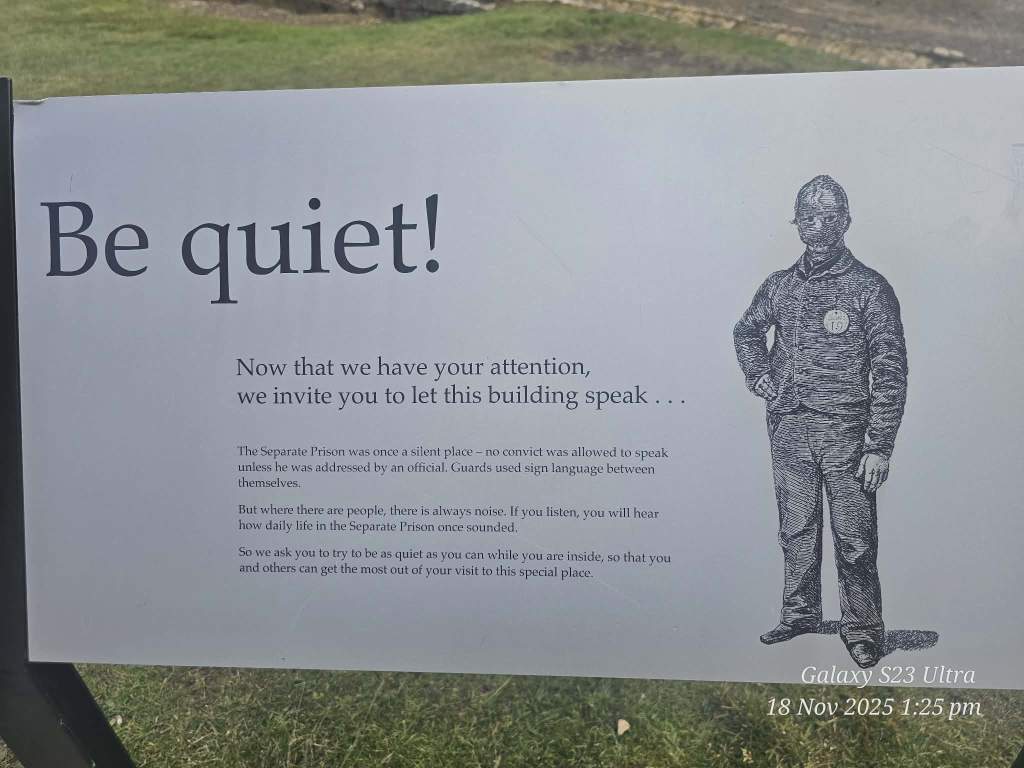
    The formal gardens throughout the site are beautiful, offering a striking contrast to the brutal realities of the prison itself. Learning about the conditions endured by prisoners — prolonged darkness, enforced silence — is mind-blowing. Barbaric and deeply inhumane.

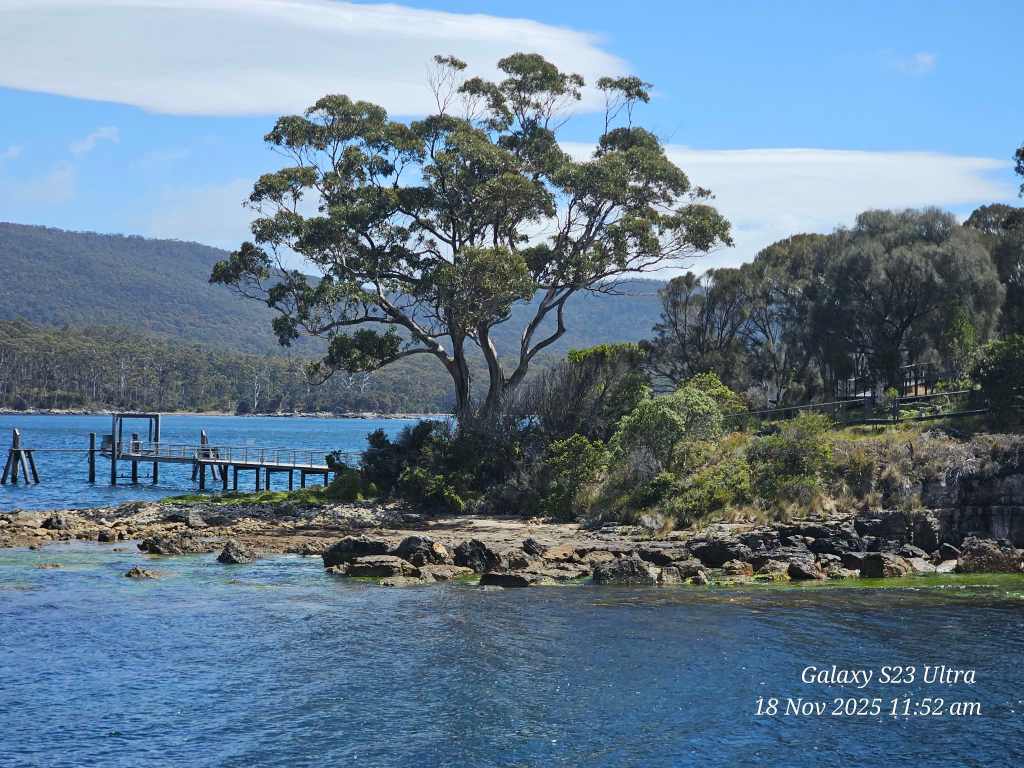
    We walked up to the lookout overlooking the church ruins and took the boat tour, learning about the boys’ prison isolated on an island nearby. The intention was to separate young offenders from hardened criminals — a concept that seems compassionate on the surface, yet was still steeped in punishment and isolation.

    From here, we explored the area daily:
    The Tessellated PavementsTasman National ParkFossil Bay LookoutTasman ArchDevils Kitchen, and the Blowhole.

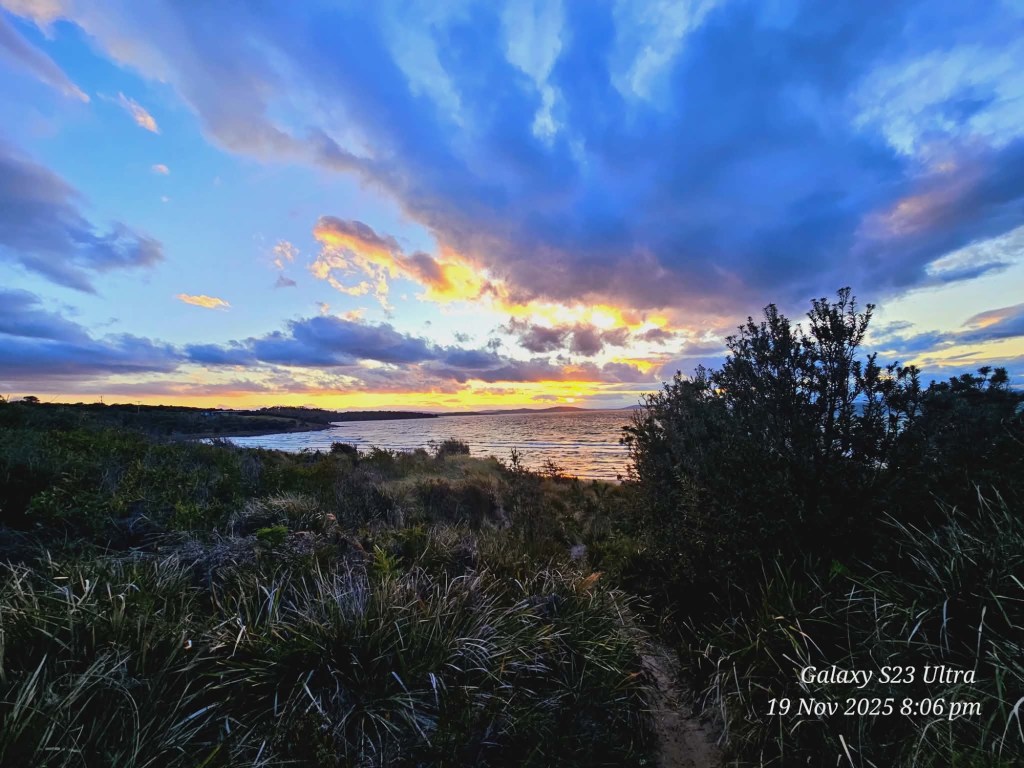
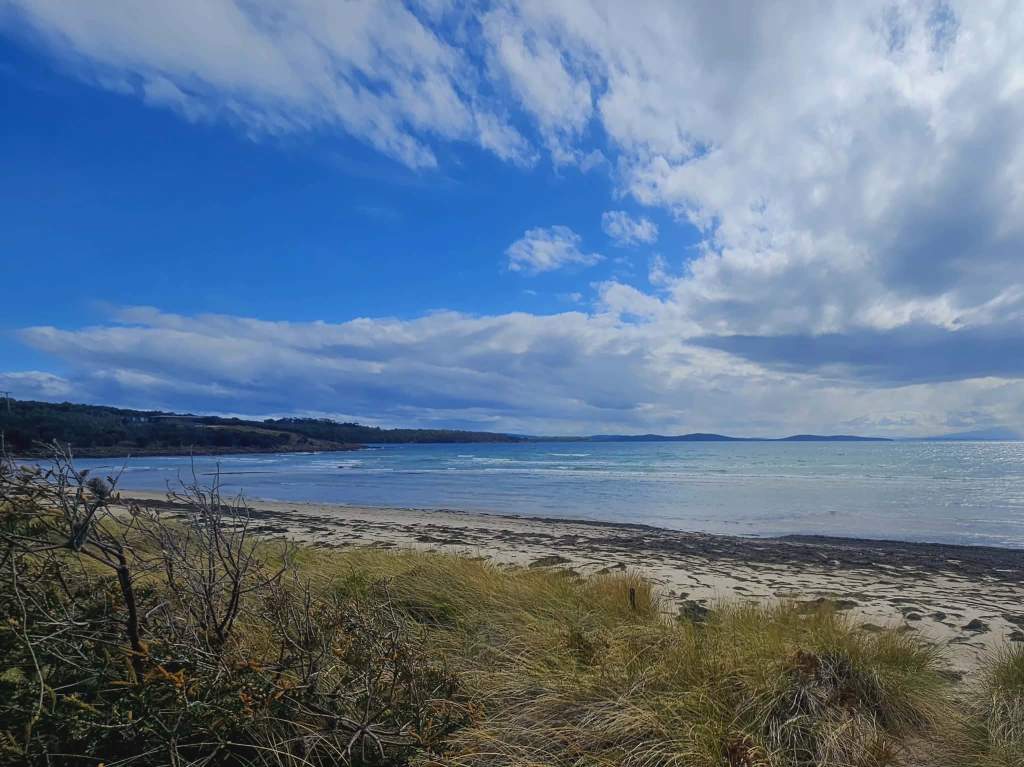
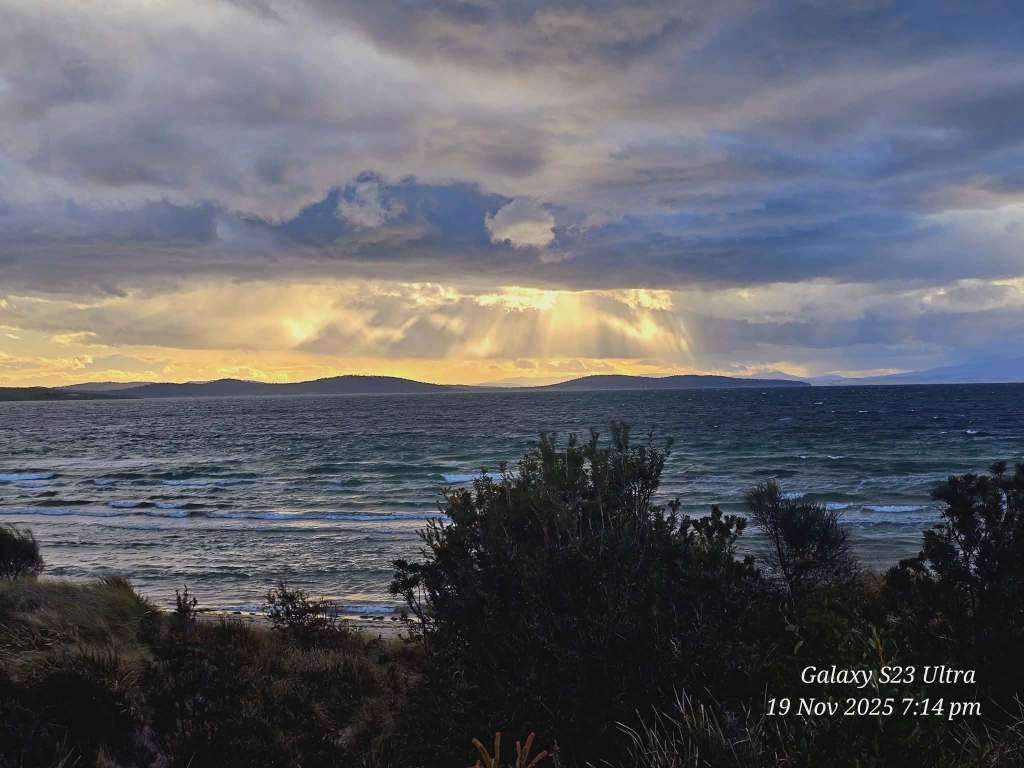
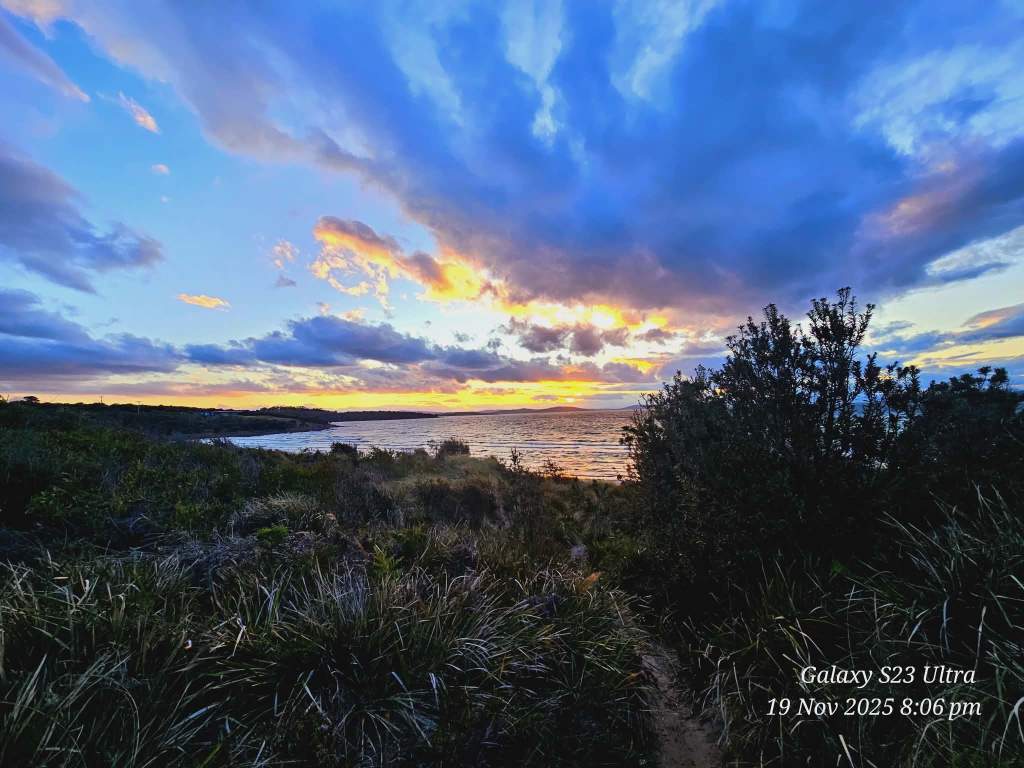
    We based ourselves for three nights at Sunset Beach Campsite near Eaglehawk Neck. A peaceful, privately run site right on the water, with clean hot showers and thoughtful amenities despite having no powered sites. For $20 a night, it was hard to beat. Sunsets, birdlife, beach walks — it was the kind of place that invites you to slow down.

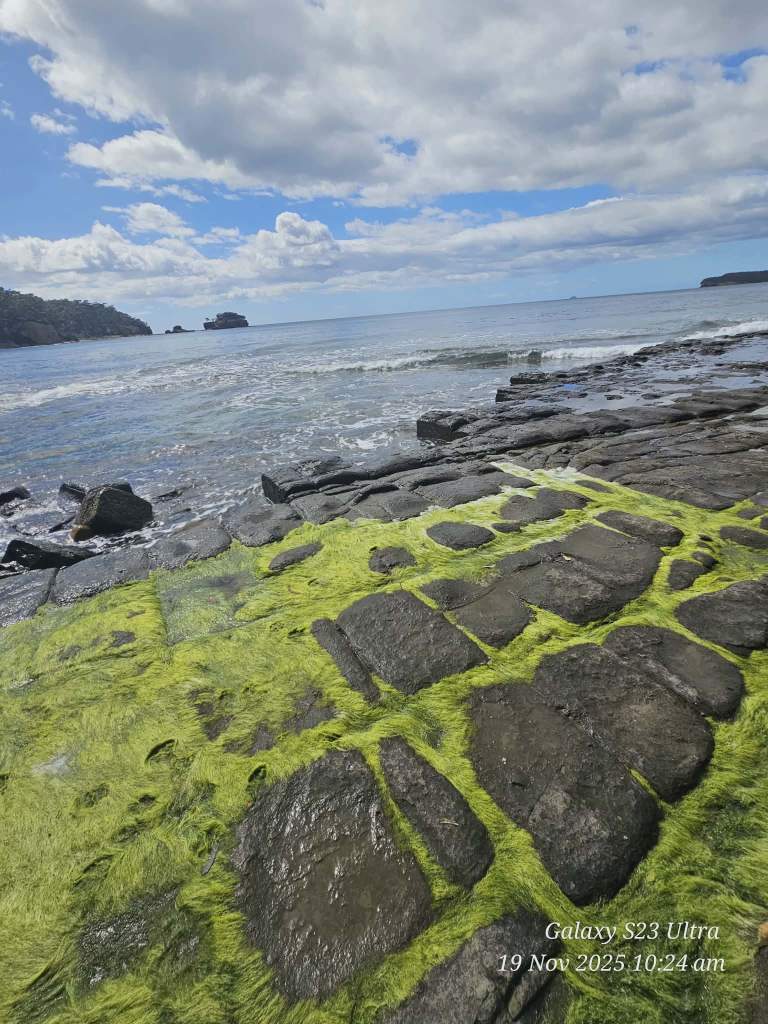
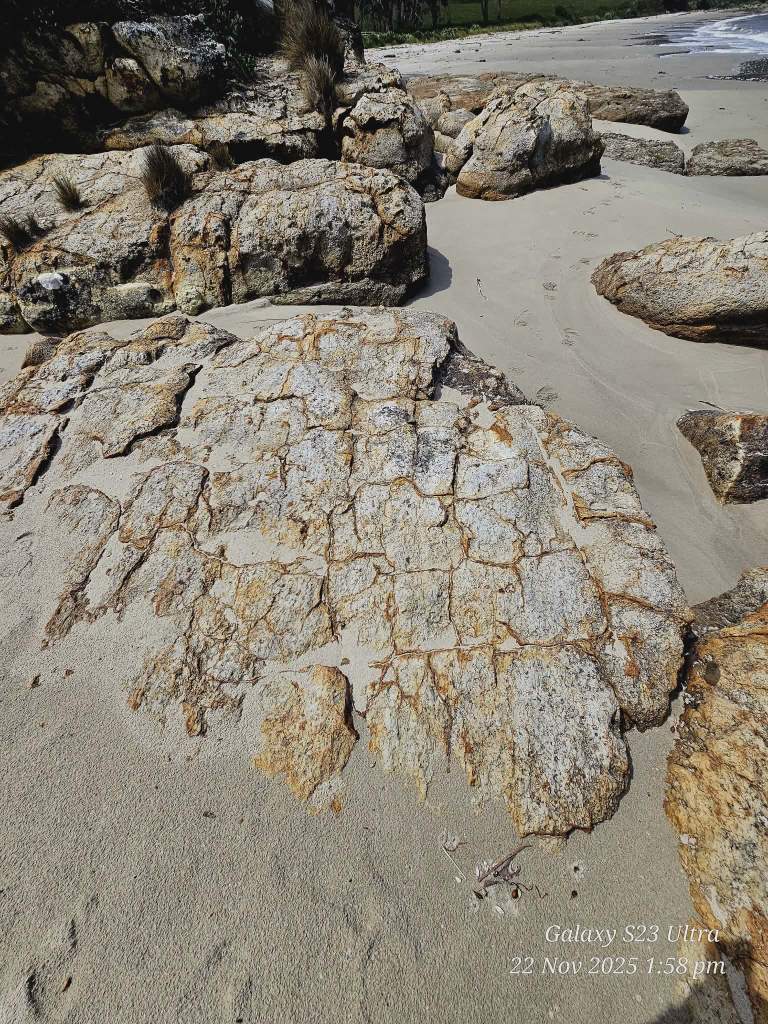
    The tessellated pavement is one of nature’s great curiosities — sandstone cracked into geometric patterns like a tiled floor. The contrast of fluorescent green sea moss against the dark rock was startling and beautiful.

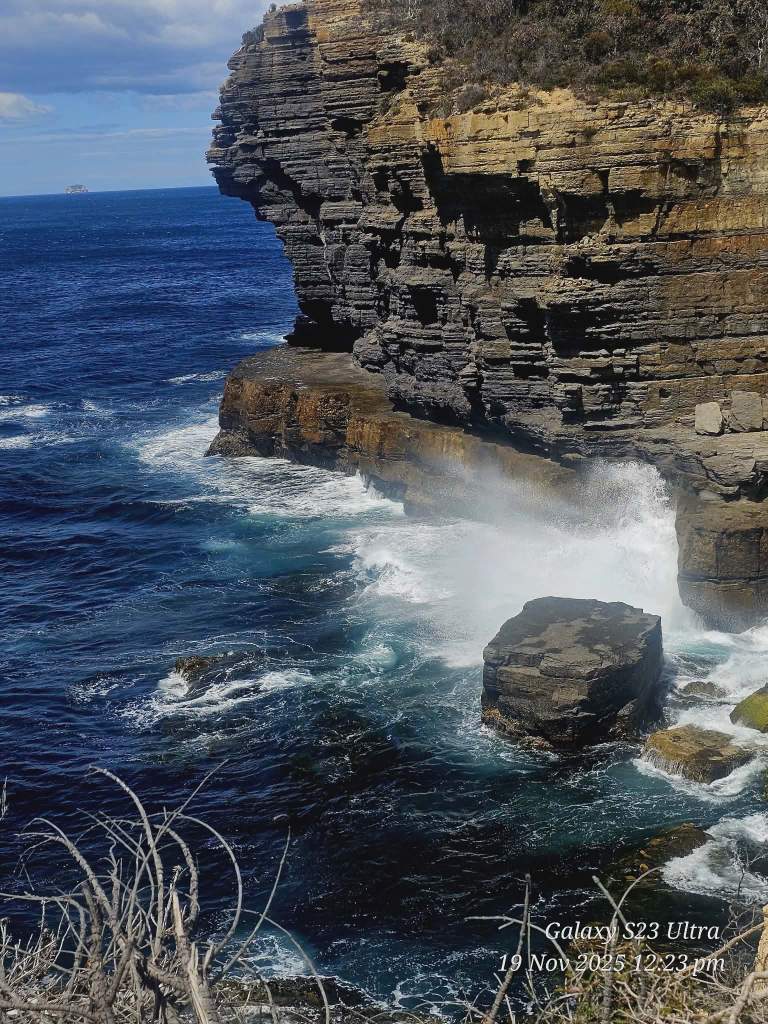
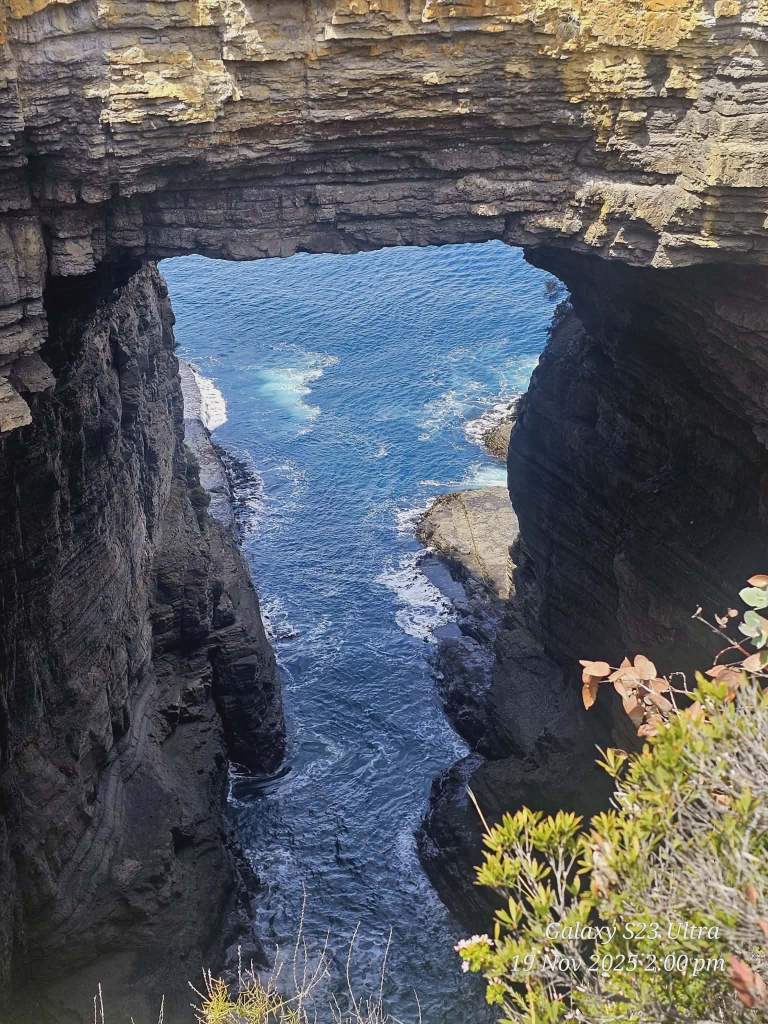
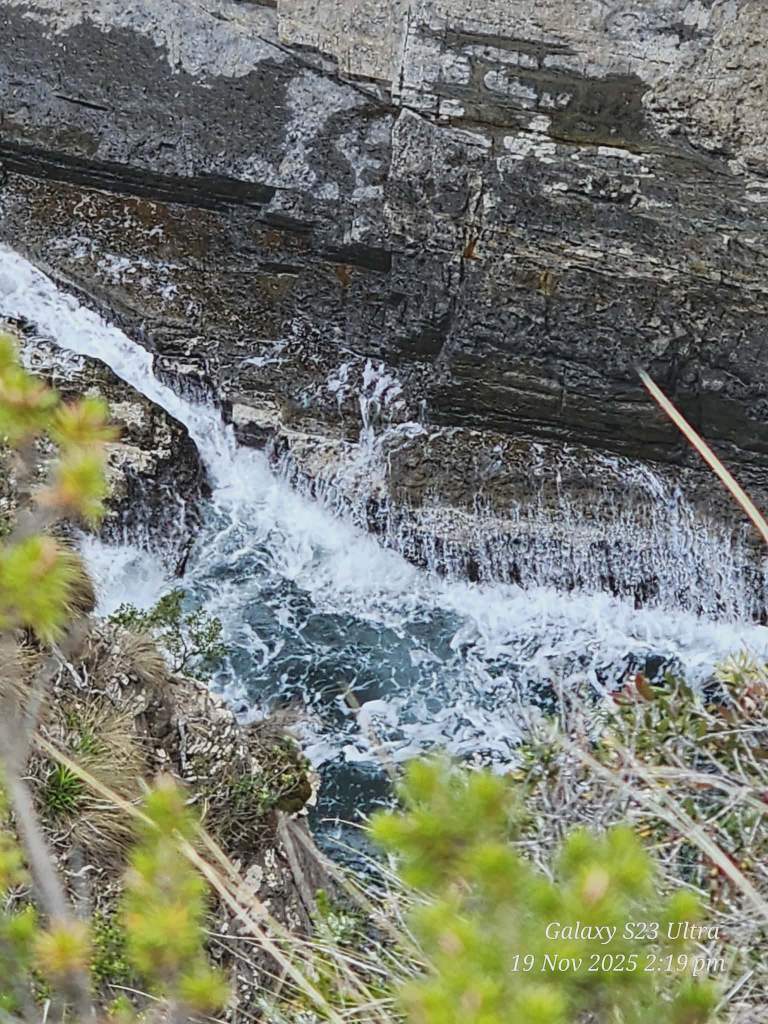
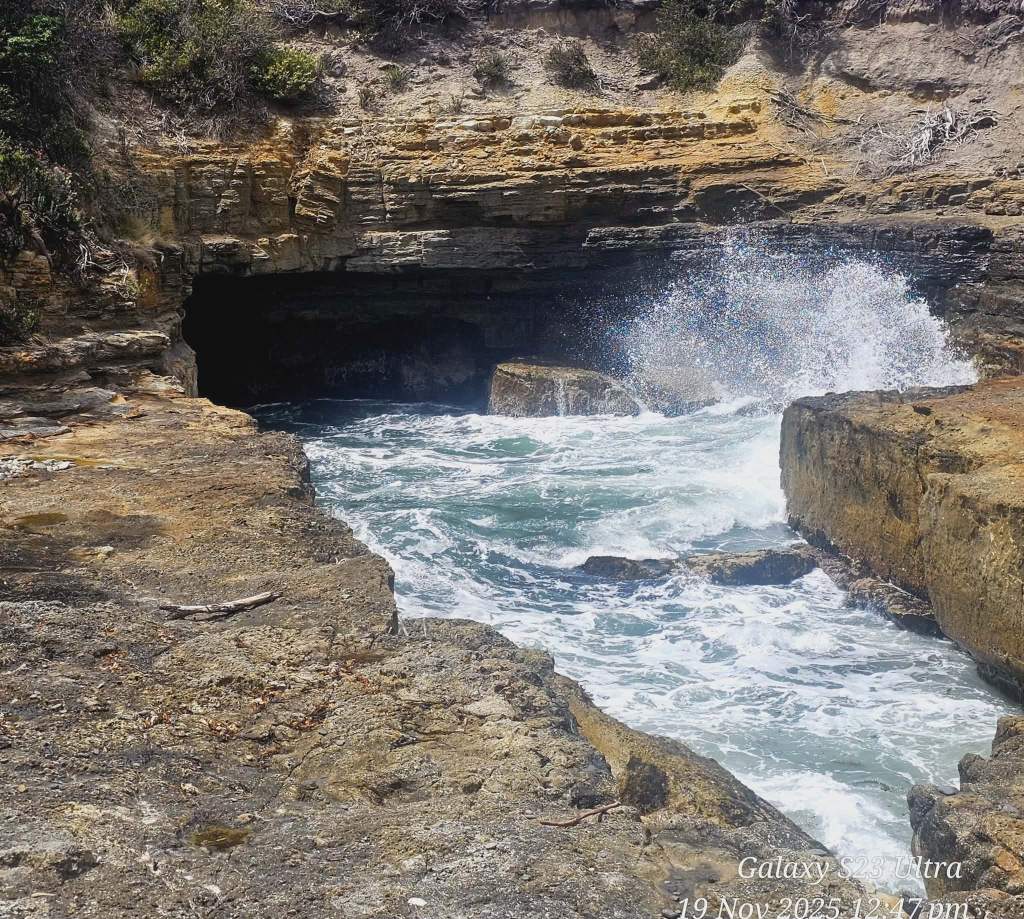
    Watching deep blue waves crash against towering cliffs, surge through the Tasman Arch and erupt through the Blowhole was mesmerising. I stood in awe of the ocean’s relentless ability to carve stone. I did briefly wonder whether there was any warning before a rogue wave might surge beneath my feet — but it was only a fleeting thought and didn’t hurry me away.

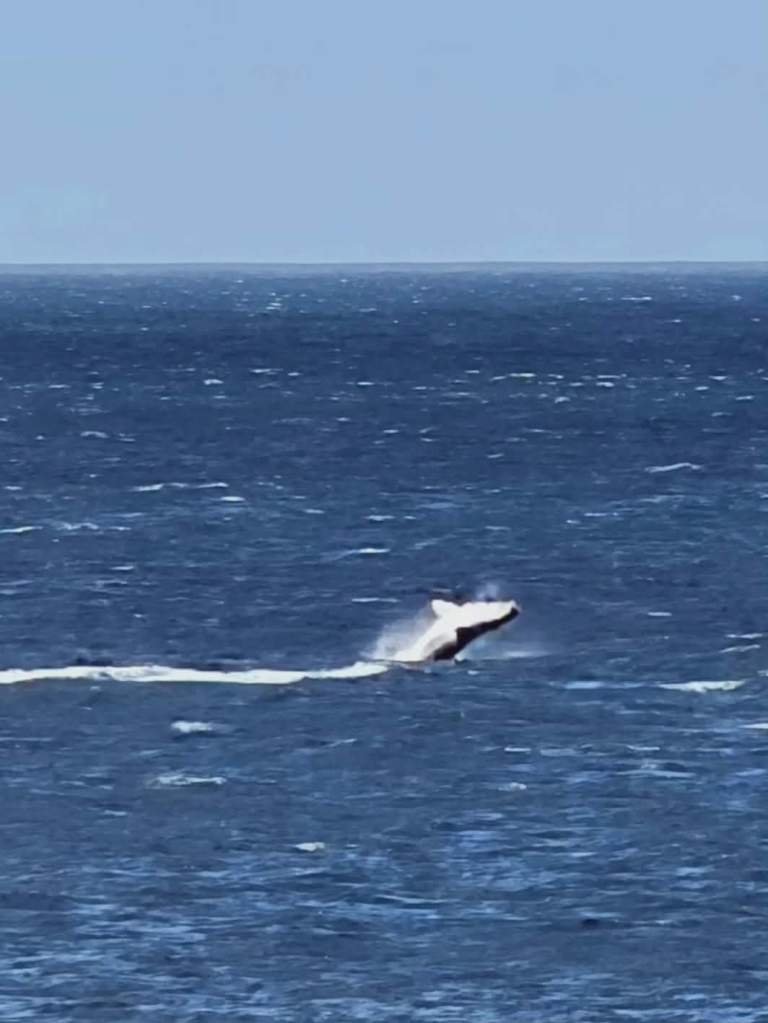
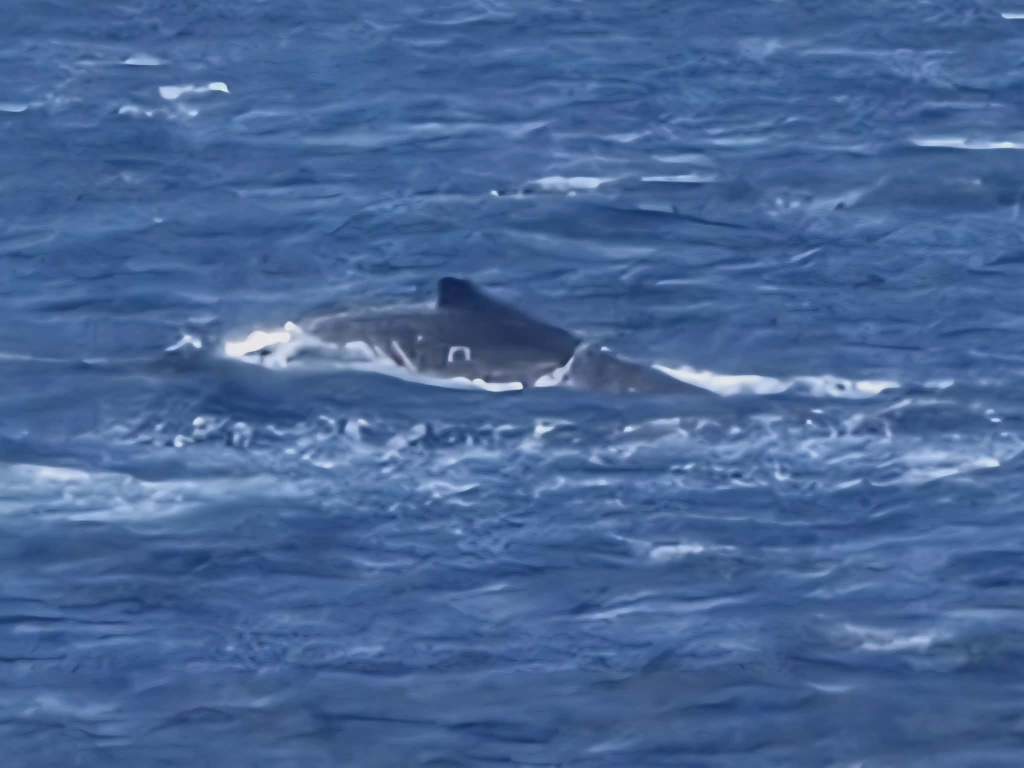
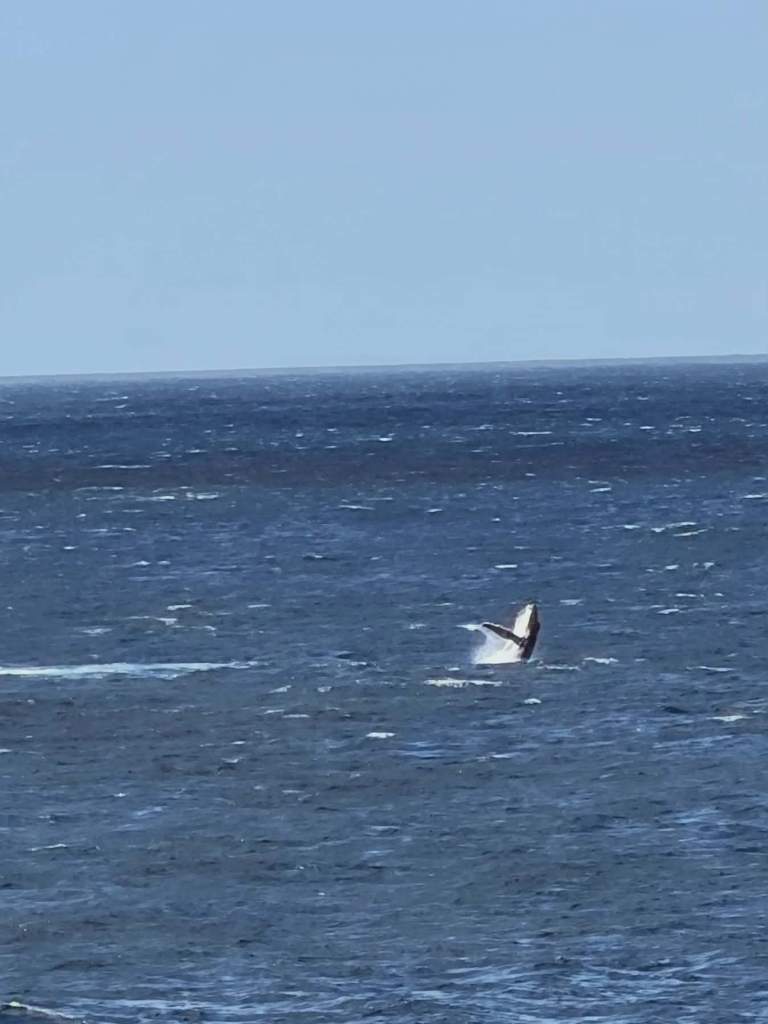
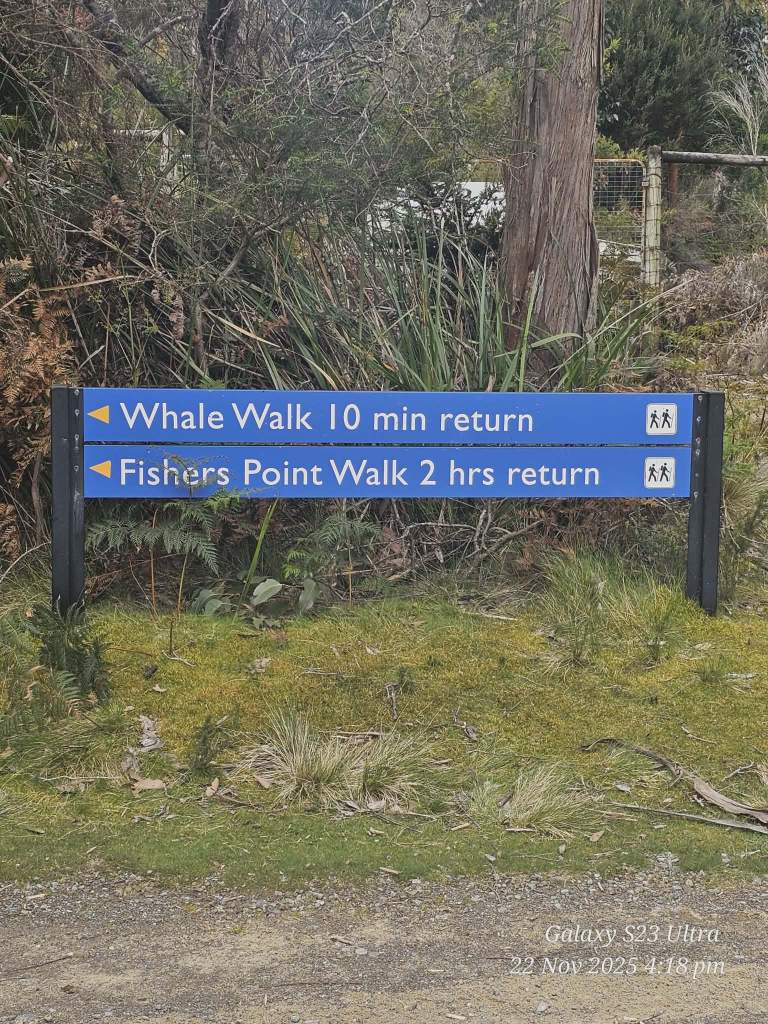
    I almost forgot to mention the show put on for us by the Whales. We arrived just in time to watch a large pod of whales on their migration south. Delightful to watch as they put on a magical display right in front of us.


    Hobart & Stories of Women

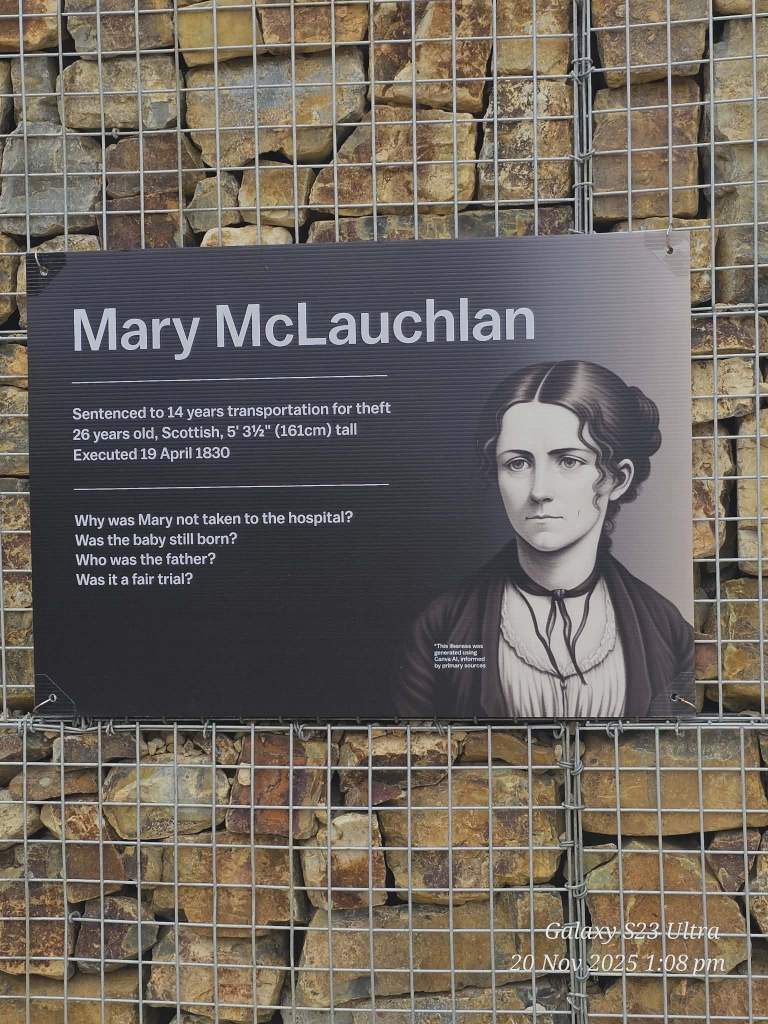
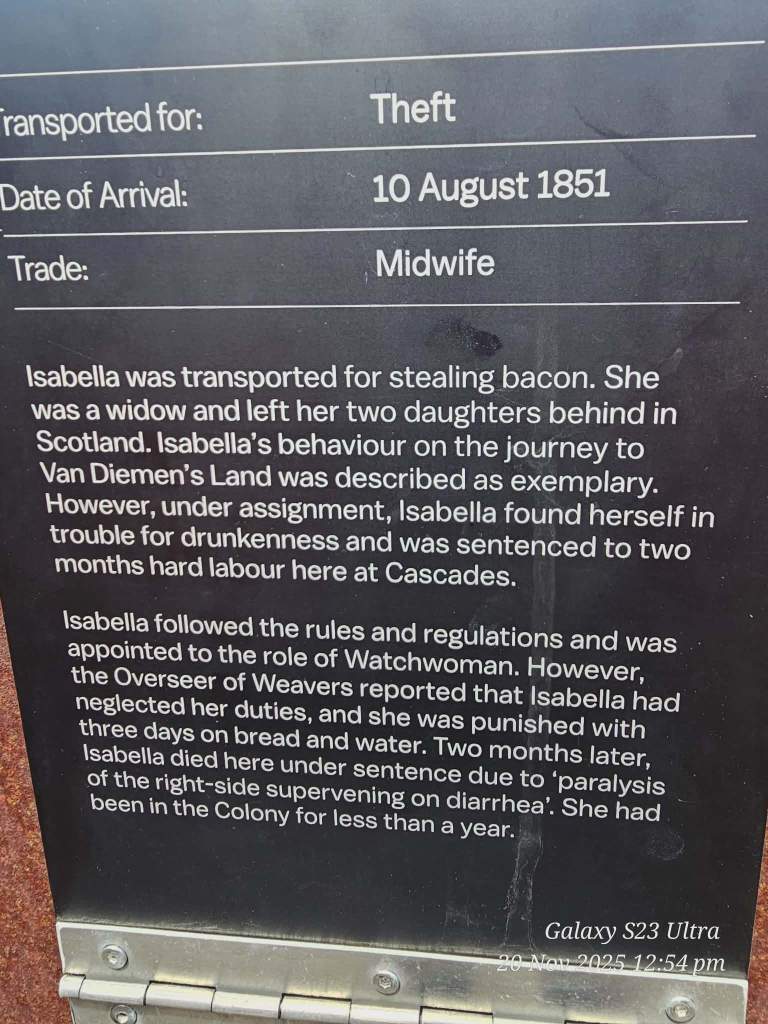
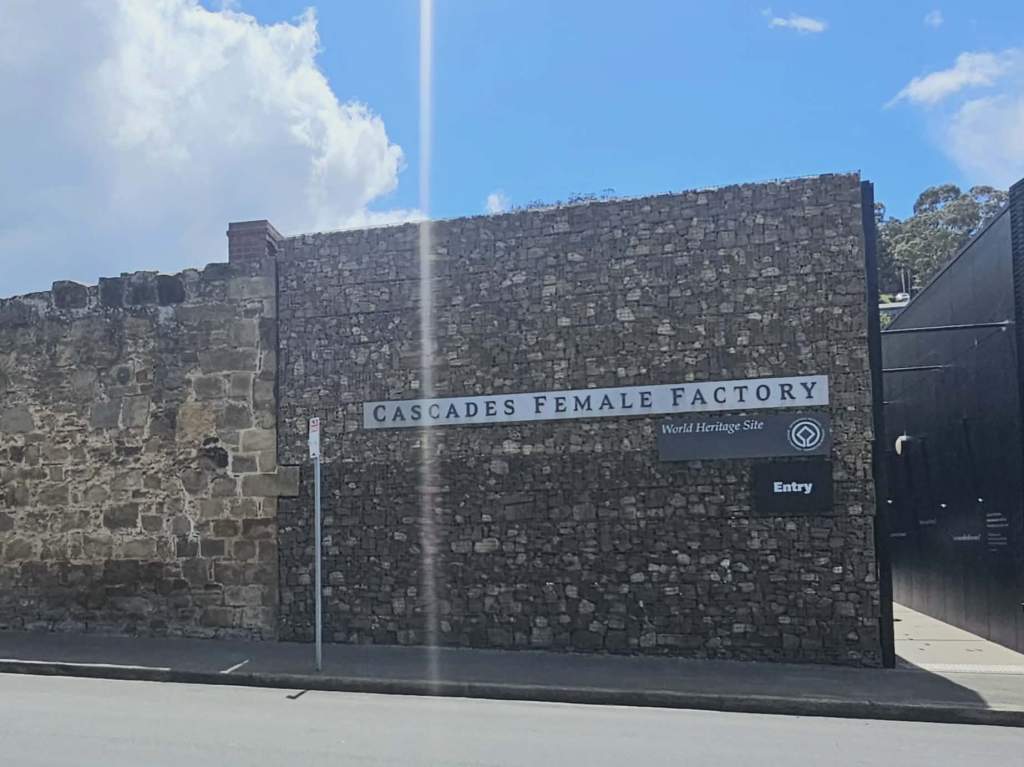
    Leaving the peninsula behind, we headed south toward Hobart, keen to visit the Cascade Female Factory and learn more about women’s convict history.

    On arrival, women were divided into rigid classes and forbidden from communicating with one another. Clothing, labour, daily life — everything was controlled. Many women were transported simply because of poverty, committing crimes to feed their families. The idea that such conditions could lead to rehabilitation seems deeply flawed by today’s standards.

    Yet resistance emerged. A prisoner subculture known as the Flash Mob formed — groups of defiant women asserting control within the walls. Authorities struggled endlessly to contain them. I couldn’t help but wonder: were these acts of rebellion the earliest sparks of women’s rights? If so, women today owe them a debt for paving the way.

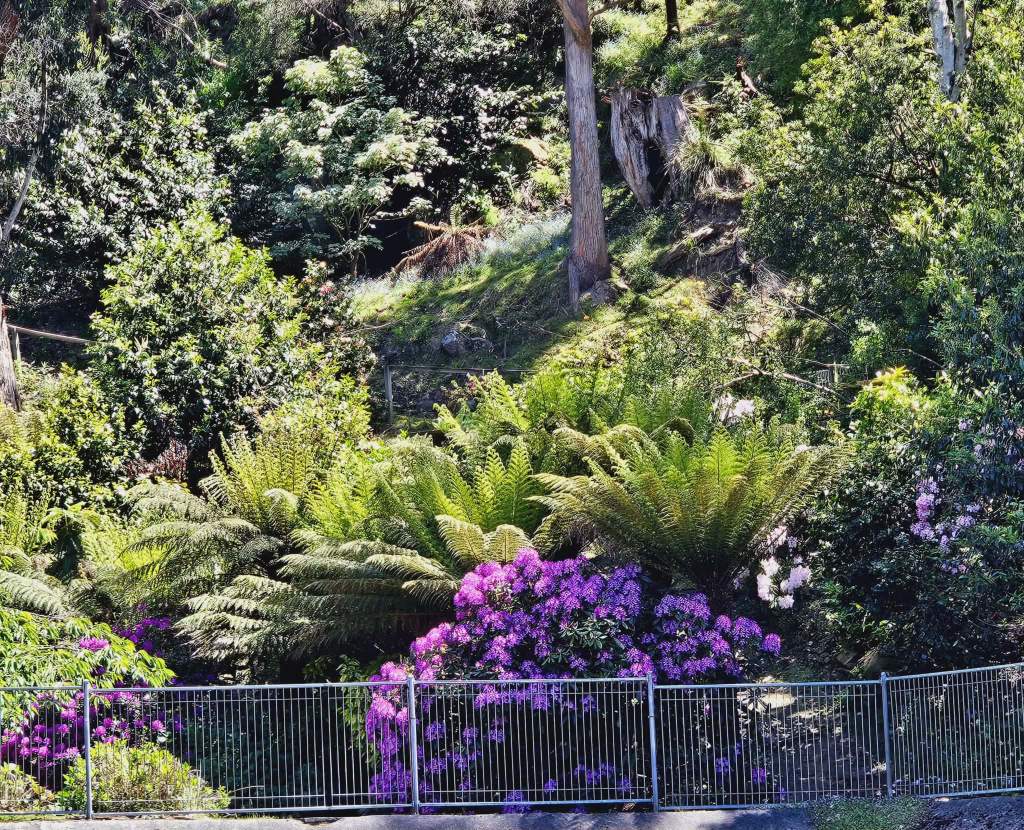
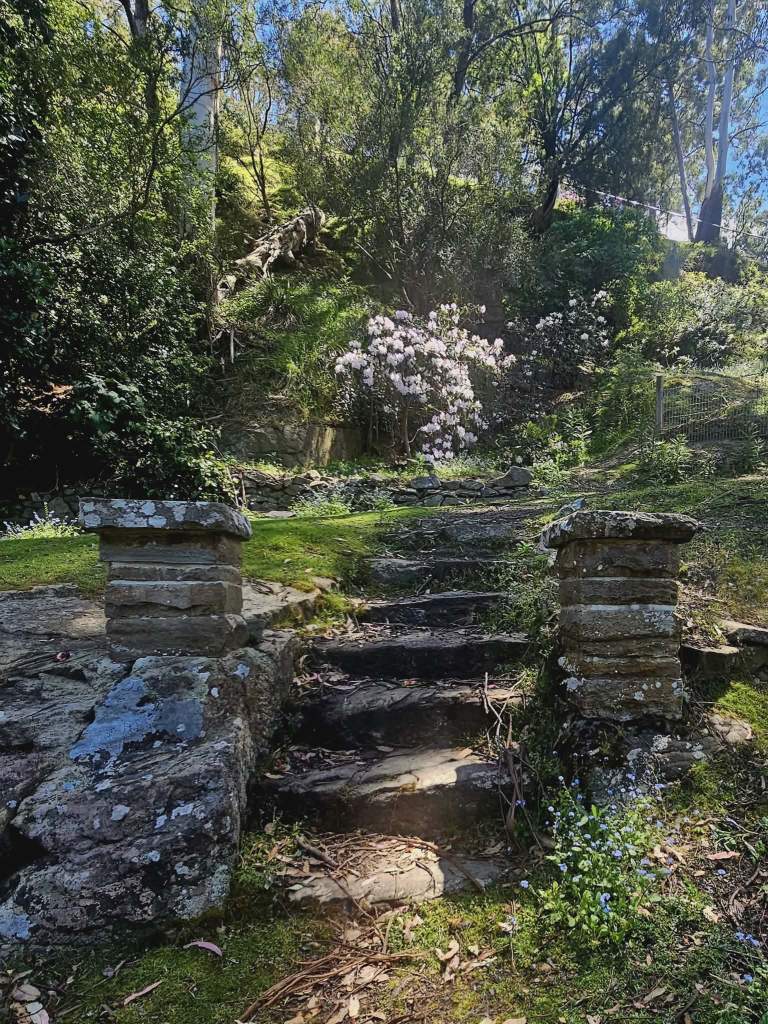
    We later wandered through the Cascade Gardens, quietly searching for platypuses — no luck this time.

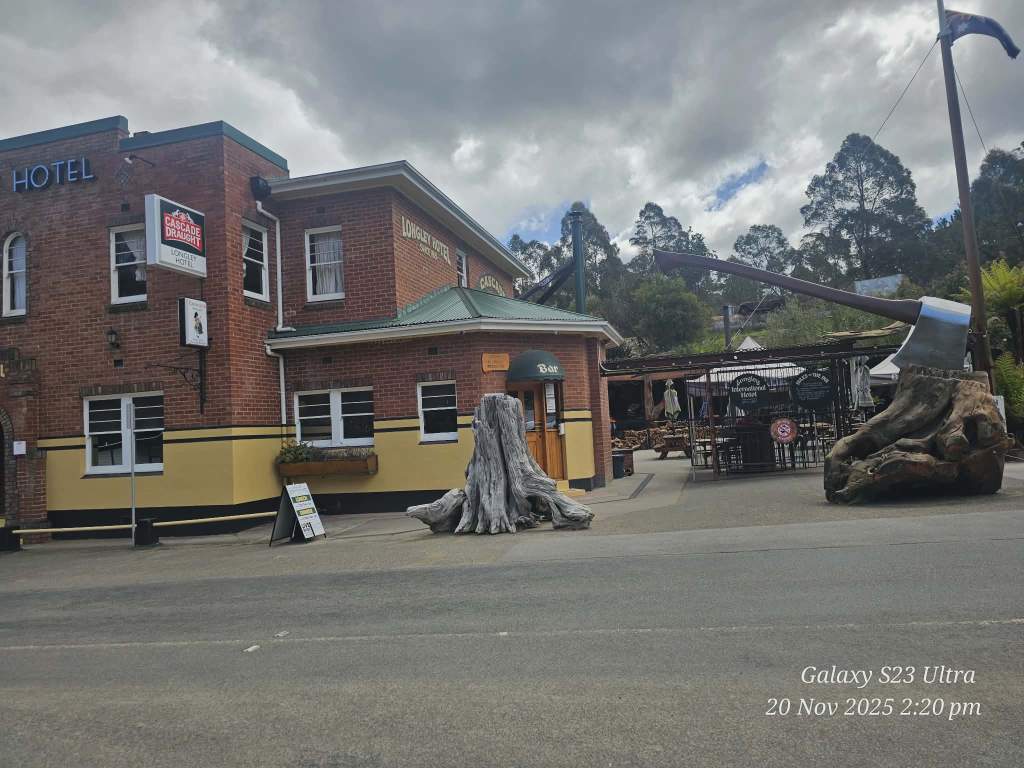
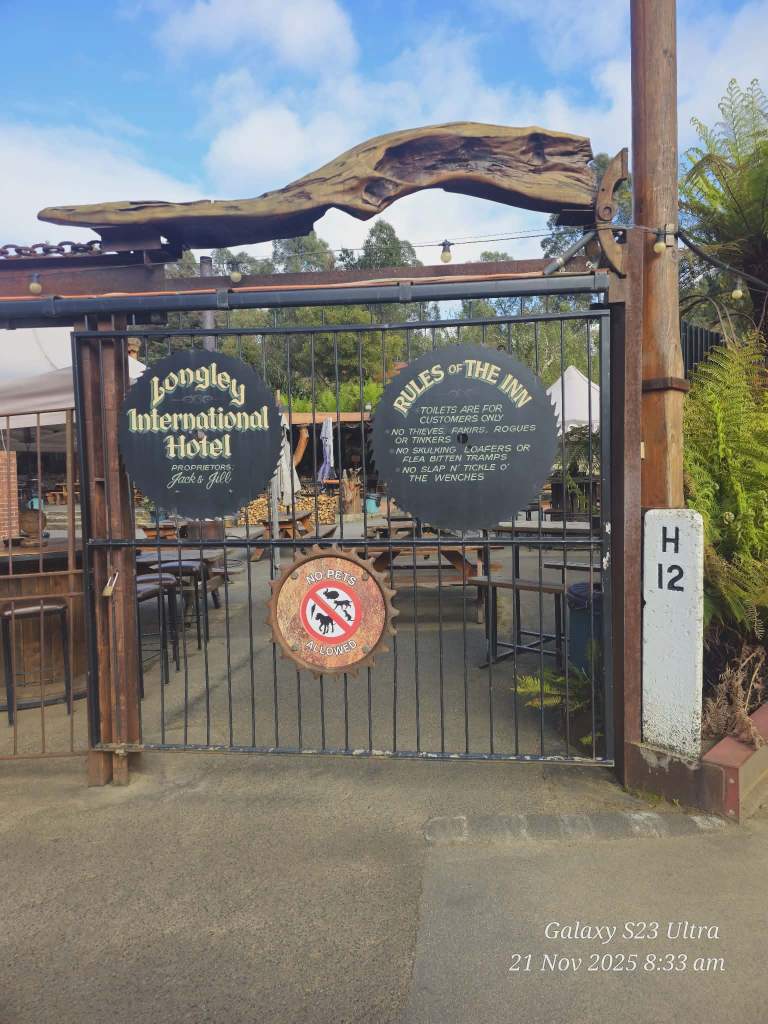
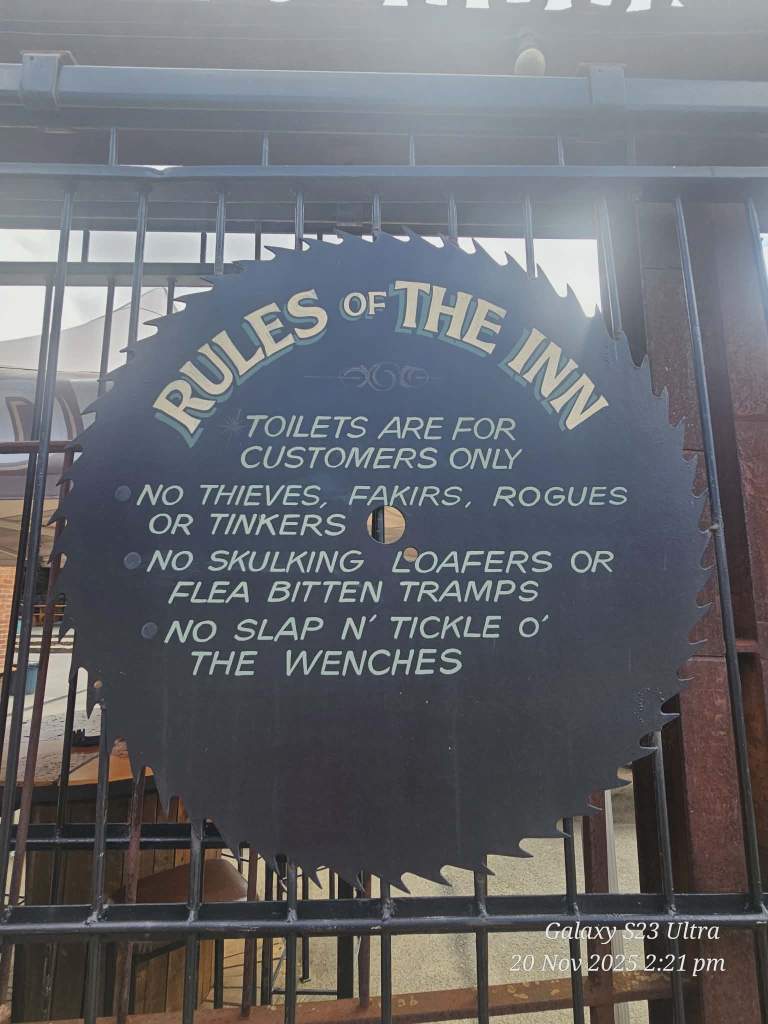
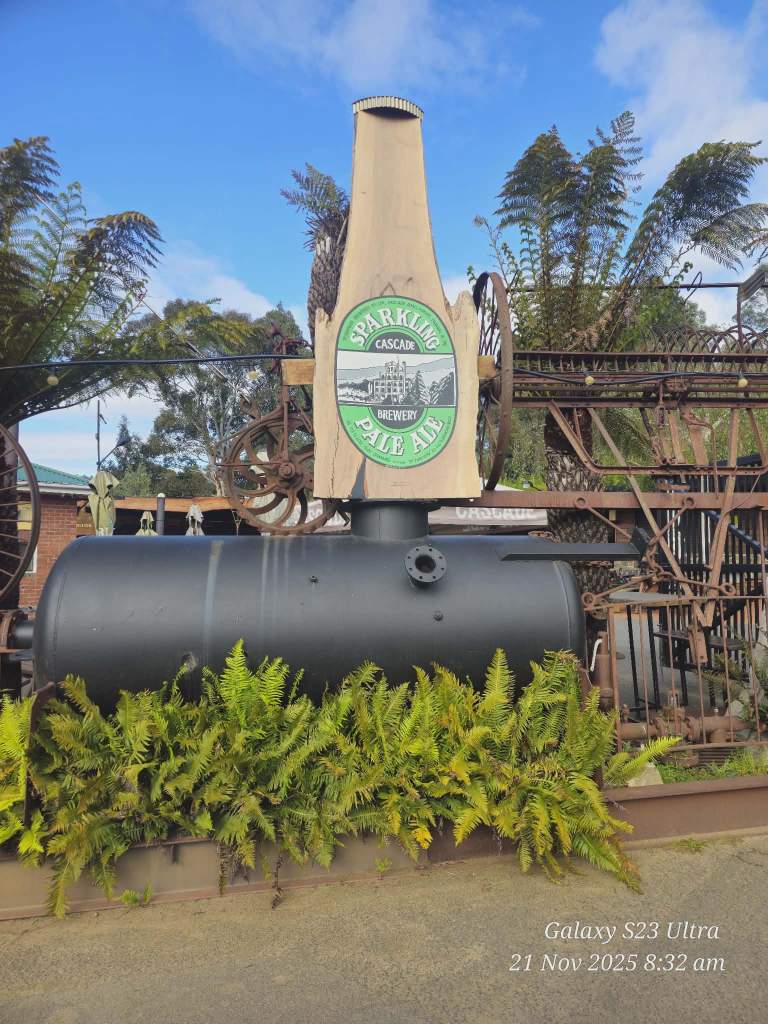
    That night we camped opposite the Longley International Hotel, where the cost of dinner allowed us to stay the night. It was steak or parmi special night — and the porterhouse did not disappoint. The pub boasts the world’s longest Huon Pine bar and radiates history, hospitality, and community spirit.


    Southport & the Southern Edge

    Heading further south, we pulled into the Southport Hotel and Caravan Park, Australia’s most southern pub, and stayed for three nights. Our first mishap came quickly — the ground looked firmer than it was, and we got bogged. A local kindly came to the rescue with his 4WD. Lesson learned: hire vans don’t come with recovery gear.

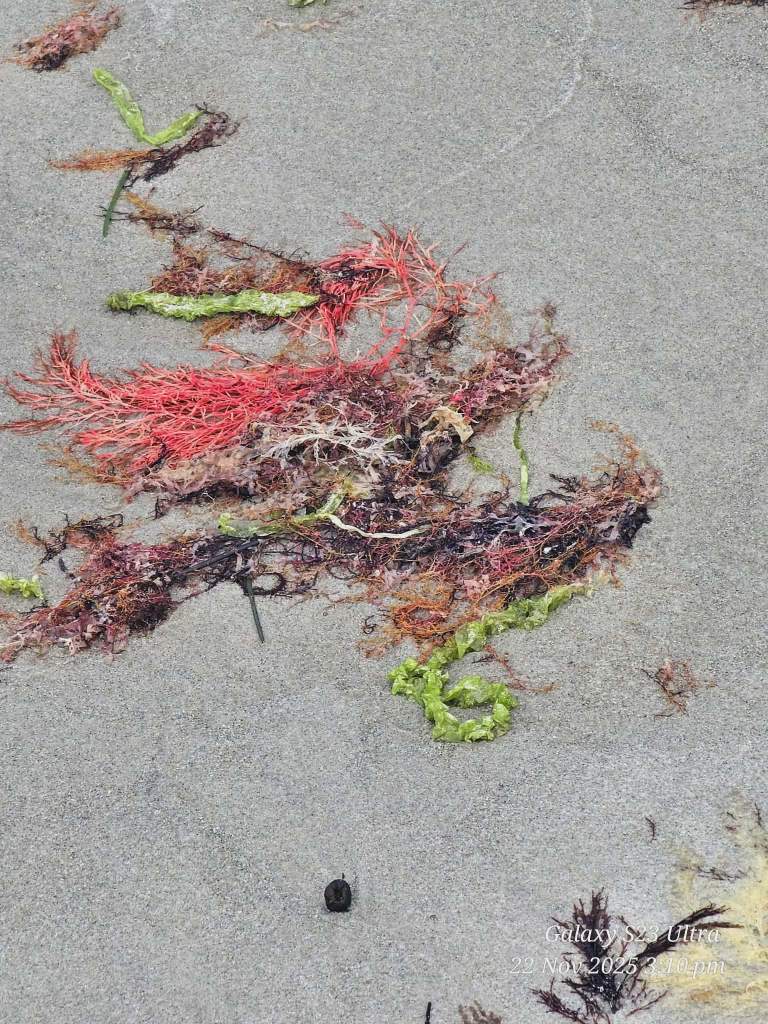
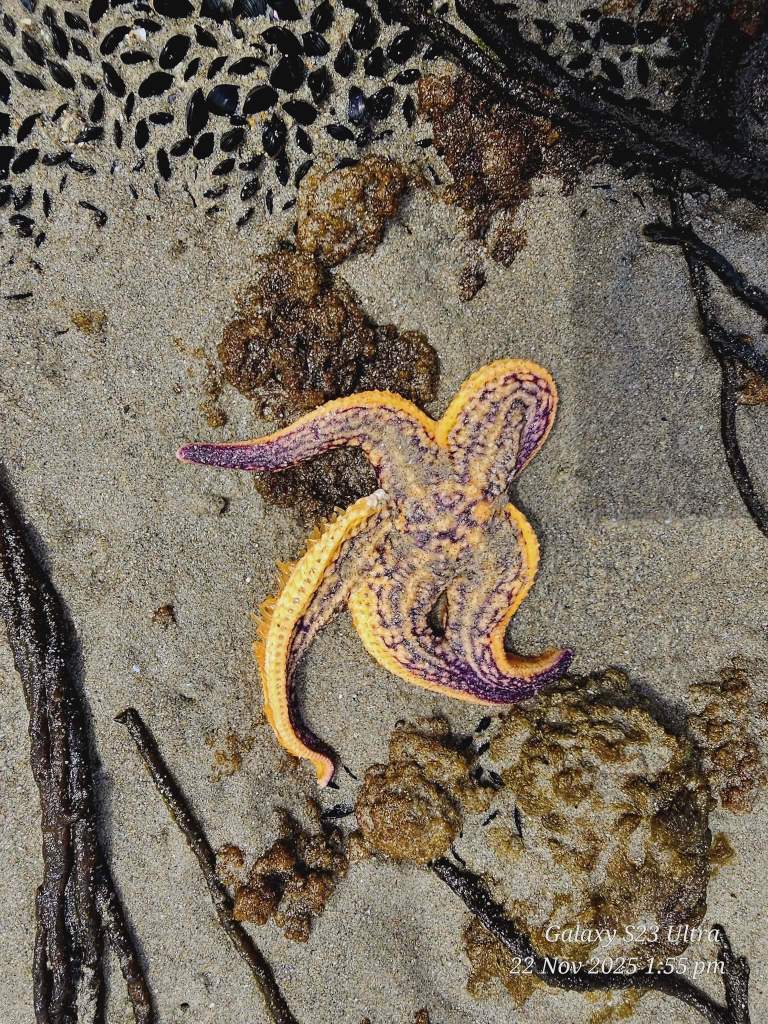
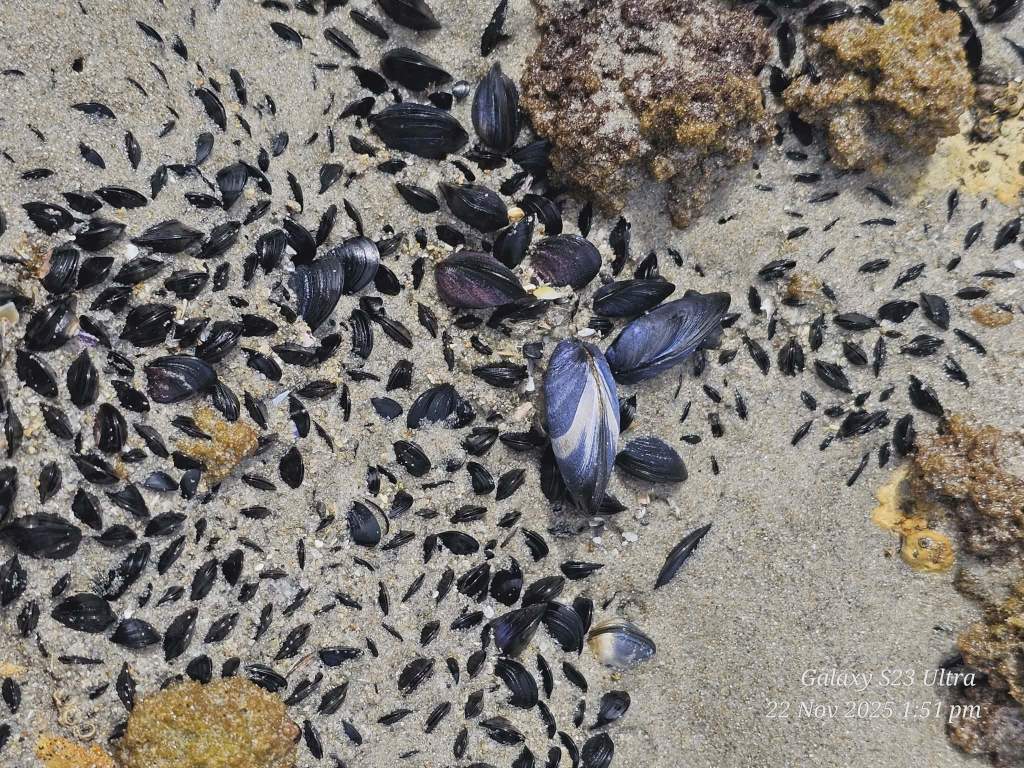
    Mornings were spent beachcombing, discovering overnight treasures washed ashore. No two days were the same, and Google Lens helped identify sea creatures we’d never seen before. There is always something new to learn from the ocean.

    After dinner and a campfire one night, we ventured out hoping to see the Aurora Australis. The predictions were good, but cloud cover and light pollution had other ideas — no dancing lights that night.

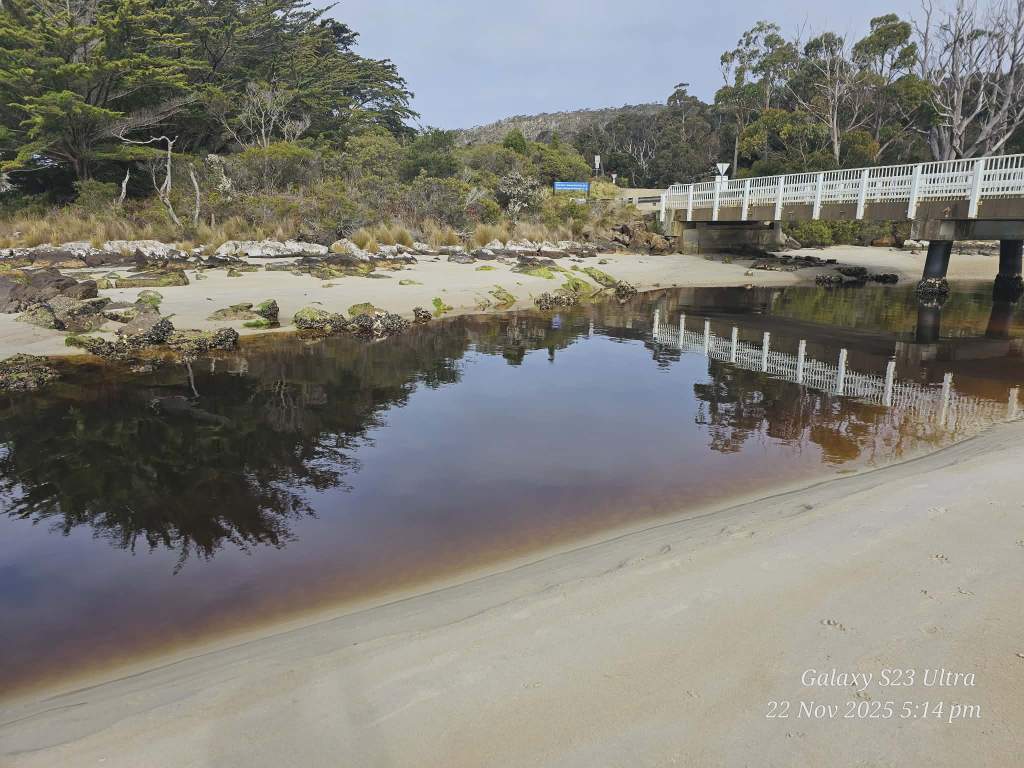
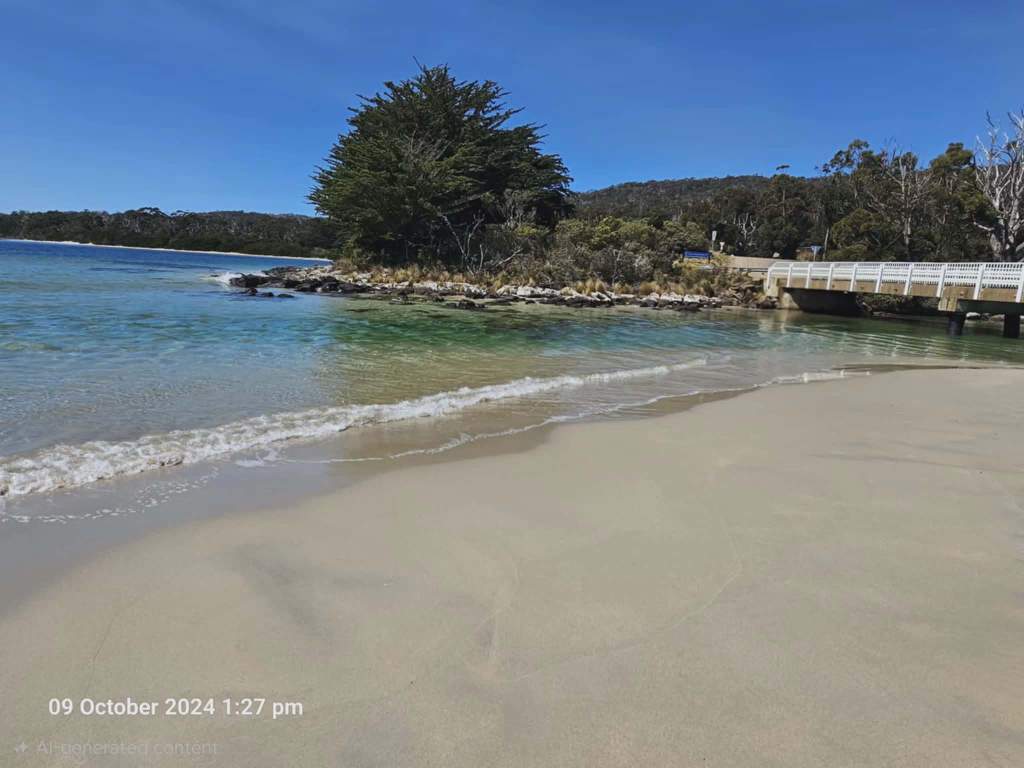
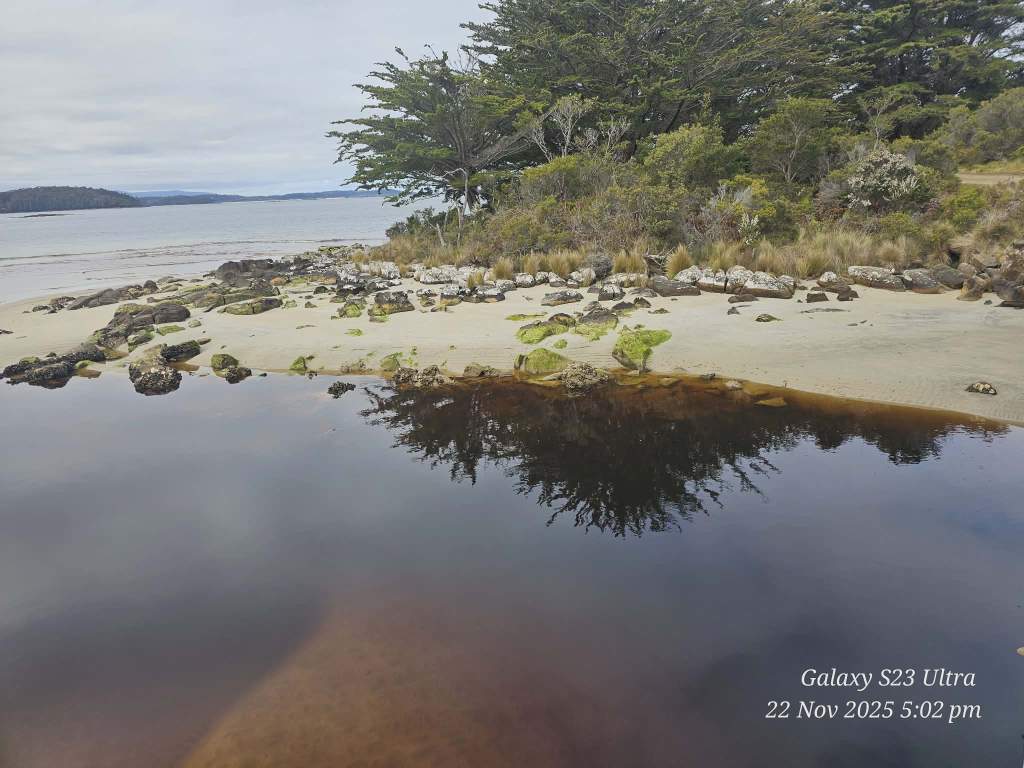
    We took a day trip to Cockle Creek, where the road quite literally ends. An unspoilt stretch of coastline with free camping along the water. Last year the sea had been crystal blue; this time it was tea-brown from recent storms — different, but no less beautiful.

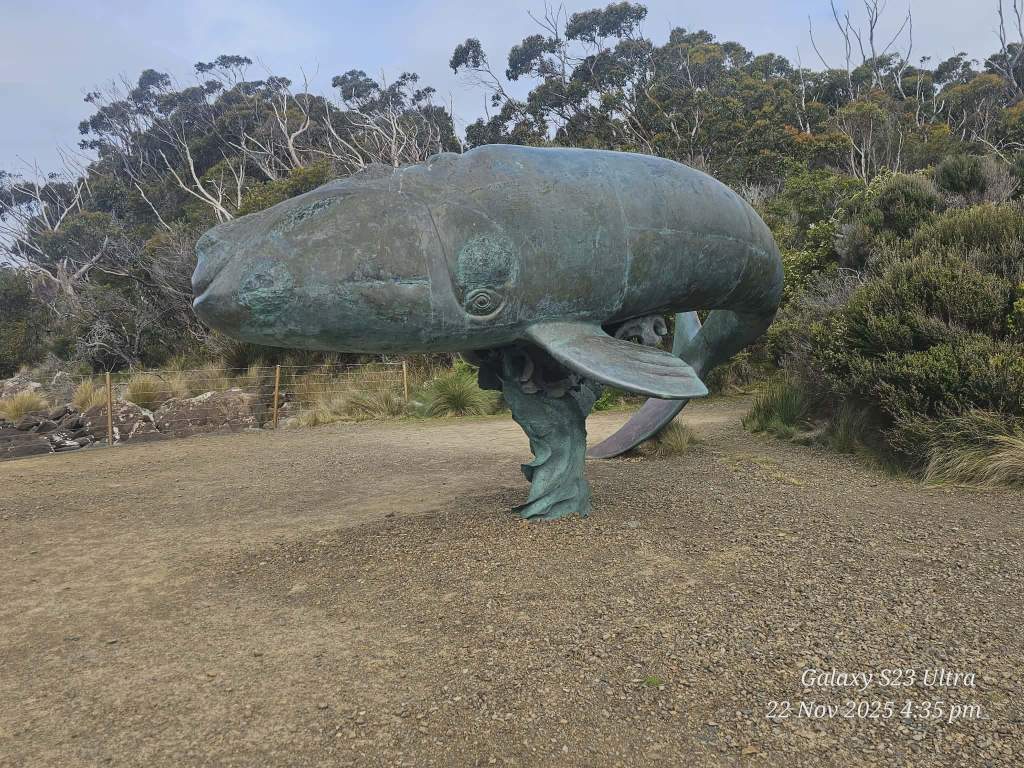
    We also visited Adam’s Point, home to the Southern Right Whale sculpture, acknowledging the region’s whaling history and migration pathways.


    The Journey Back

    As time caught up with us — the hire vehicle due back and my travelling companion’s flight looming — we began heading back toward New Norfolk, stopping along the way.

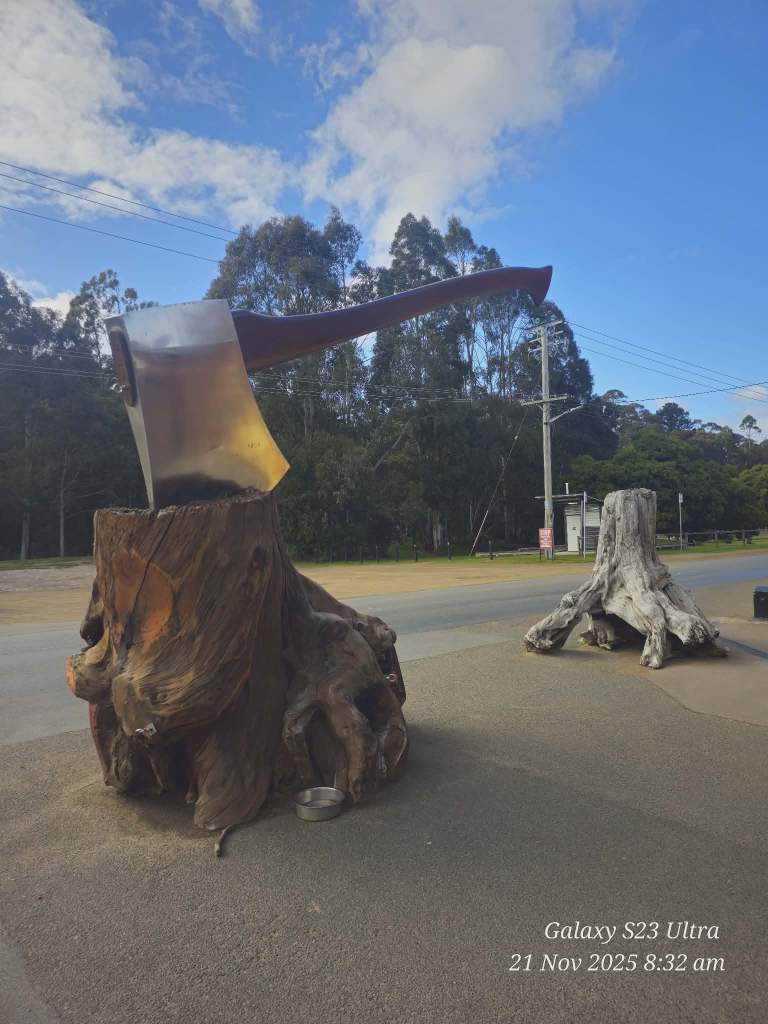
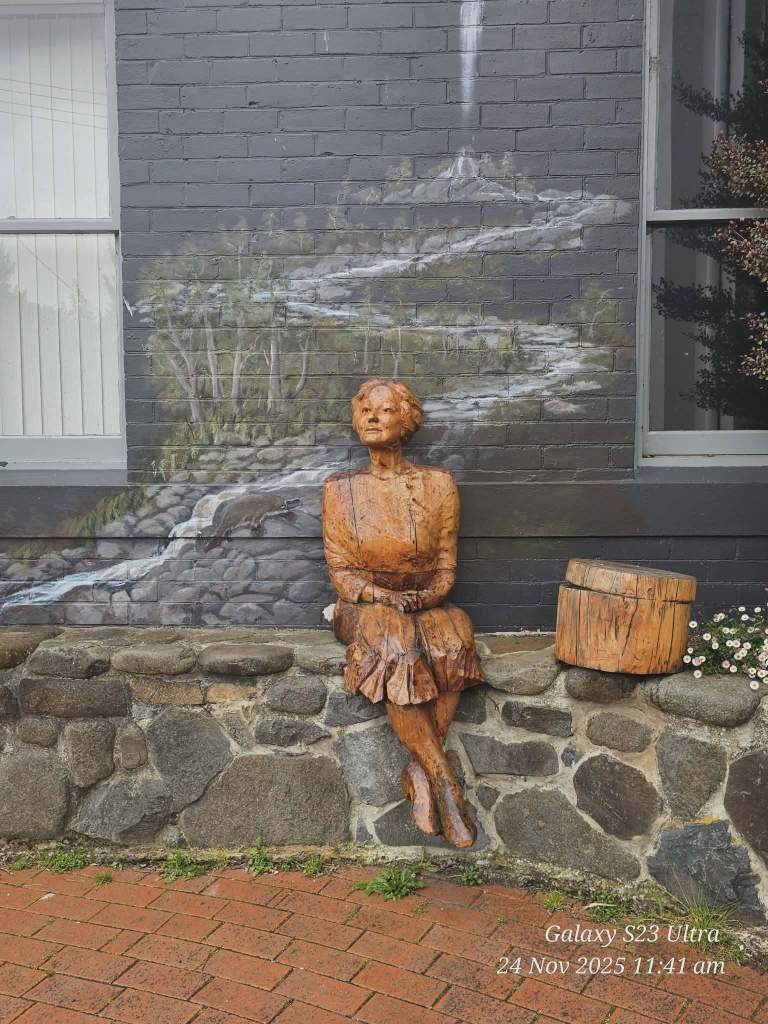
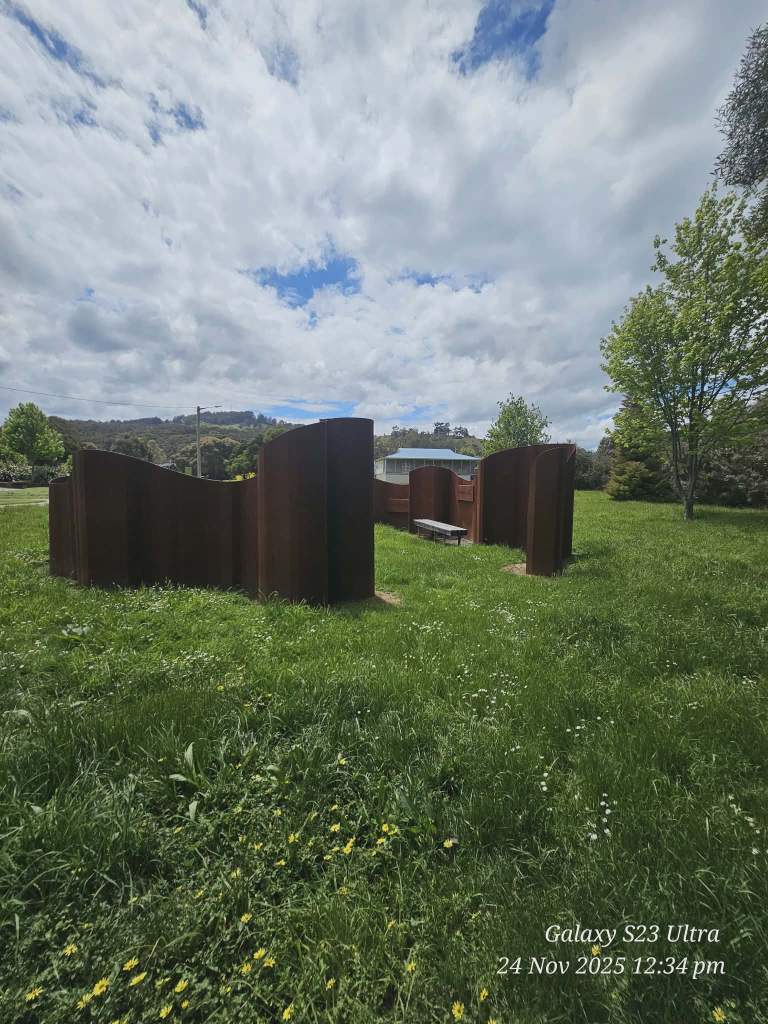
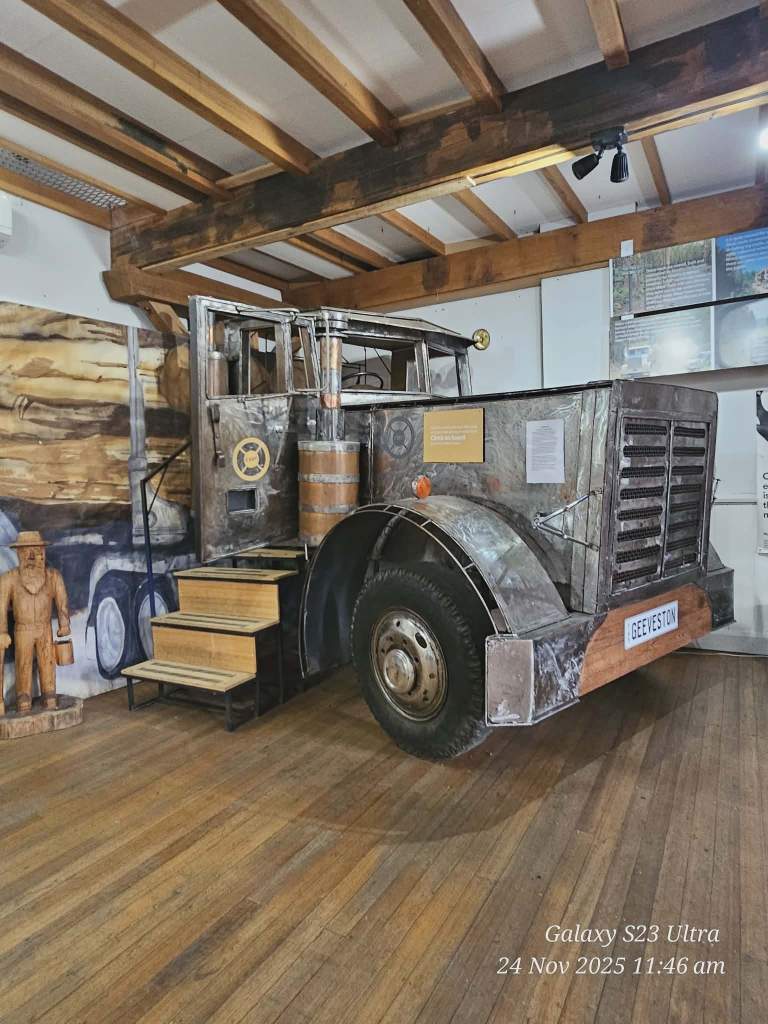
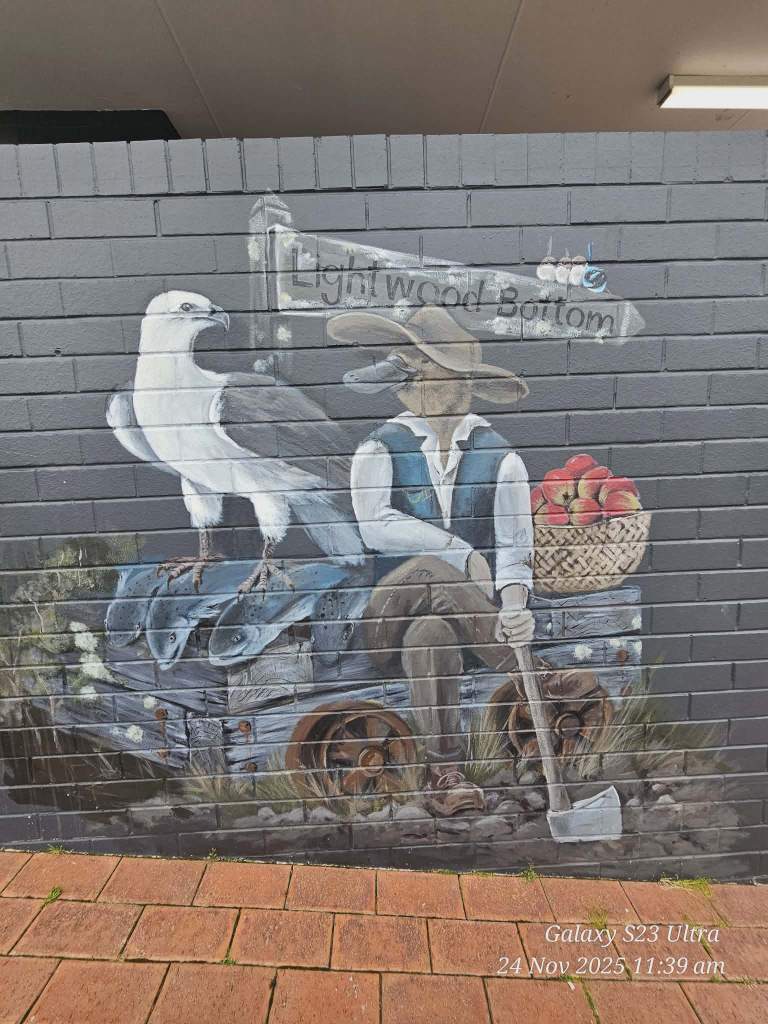
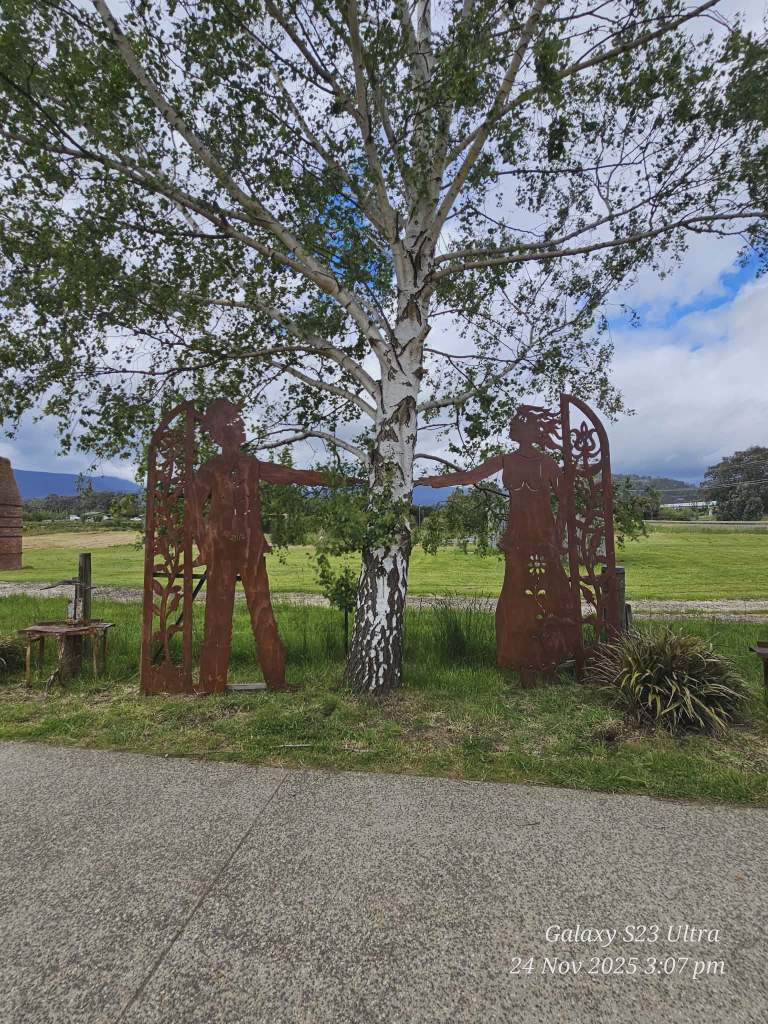
    In Geeveston, we visited the heritage museum, the lolly shop, and admired the striking street art: life-sized timber carvings, murals, and yet another attempt at spotting a platypus (still no luck). We also visited the Forest Workers Memorial and the Arve Big Tree Sculpture, honouring one of Australia’s tallest swamp gums and commemorating the community’s resilience after the devastating 2019 bushfires.

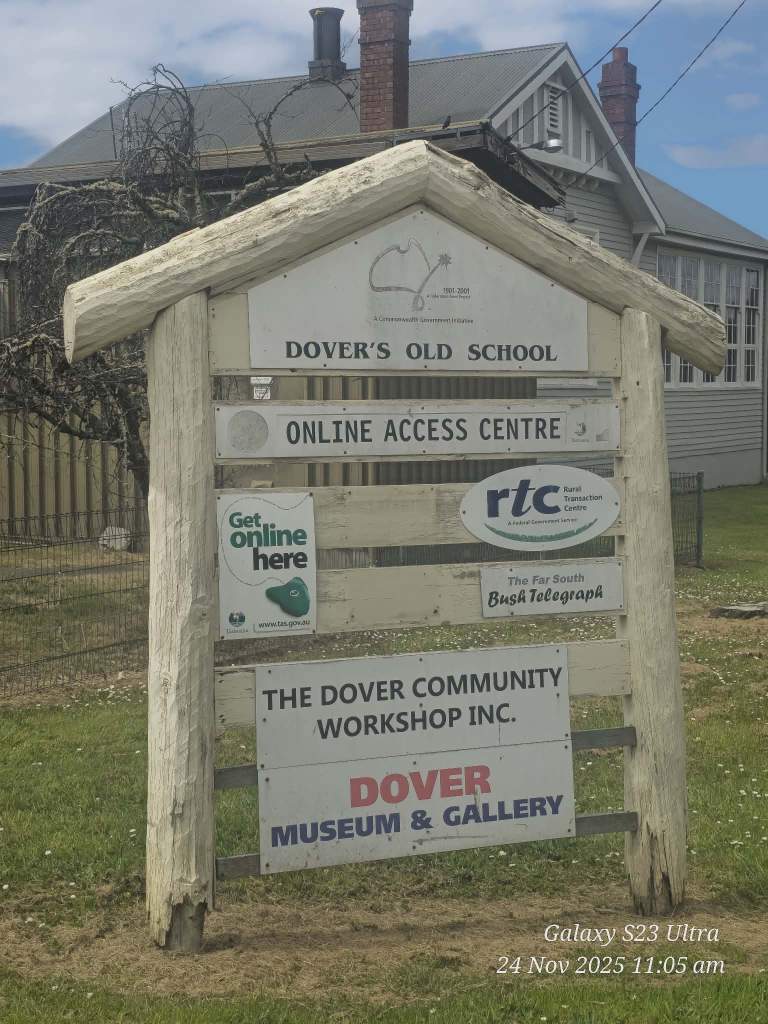
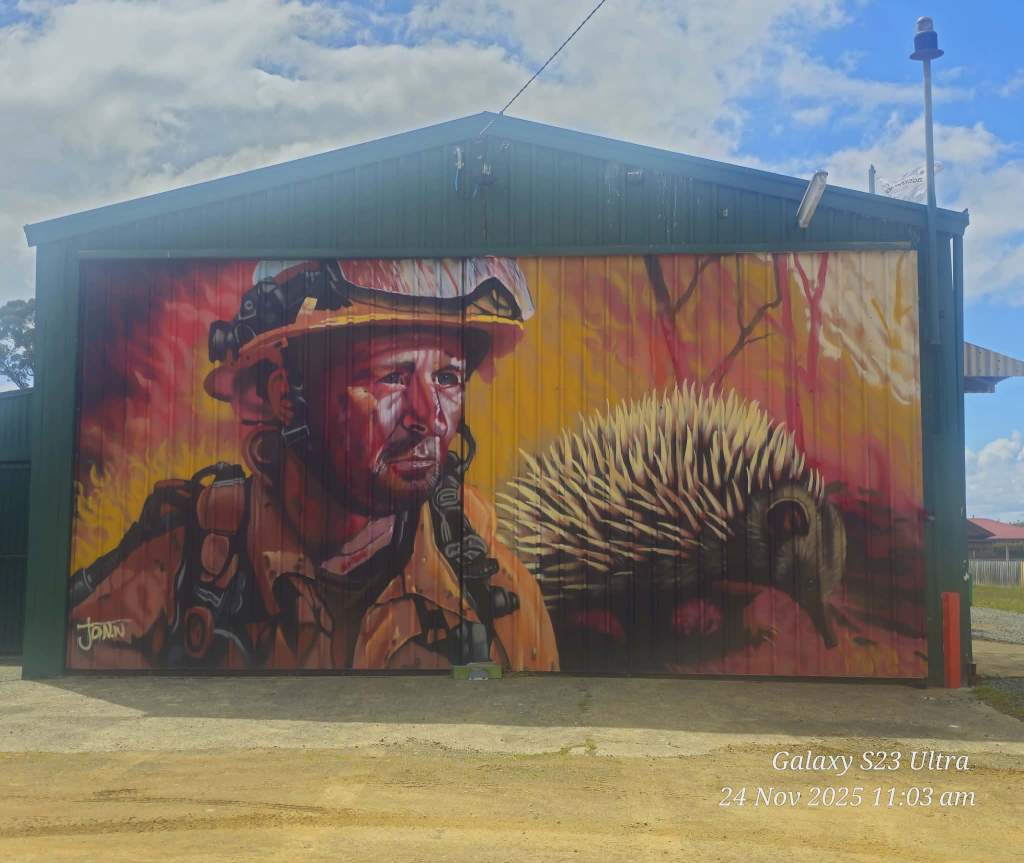
    In Dover, we explored the museum, learning about maritime history and the shipwreck of the George III, and saw tributes to firefighters who battled the 2019 fires.

    Our final stop before returning to New Norfolk was Willie Smith’s Apple Shed, where we learnt more about Tasmania’s apple-growing history — a fitting and gentle way to end the day.

    That’s all for now.
    The wrap-up will come next.


Camino Frances 2025

If you have followed along on my journeys over the last few months you might now that I am about to embark on the Camino de Santiago Frances route, a pilgrimage of 780klms from Saint Jean Pier De Port in France across the Pyrenees to Santiago de Compostela in Galicia Spain. In 2023 I did a shorter Camino walking the last 120 klms from Sarria to Santiago on the Frances with a small group of women led by Camino Confidence guide Carol. It was an amazing experience and one that gave me the confidence to go solo and walk the last 140klms on the Portuguese Camino Coastal route from Oia to Santiago de Compostela at the end of which I knew I could manage anything life threw at me.

A little bit about the Camino de Santiago story.

The Camino de Santiago, also known as the Way of St. James, is a pilgrimage rooted in medieval times. It is believed to lead to the tomb of the Apostle Saint James the Greater, in the crypt of Santiago de Compostela Cathedral. There are more than 200 documented routes across Europe with approximately 50 of these transitioning across Sprain and ending in Santiago de Compostela. The most popular of these is the Frances, possibly as it is the most well established with well-developed infrastructure to support walkers.

Thousands of people walk the Camino de Santiago every year. These people come from all walks of life and walk for a variety of reasons. While it’s traditionally a Catholic pilgrimage, many still follow its routes as a form of spiritual path or retreat for their spiritual growth. Today, the Camino de Santiago is travelled by people of different religious beliefs and backgrounds, for both religious and recreational reasons. 

Why the Camino?

Why the Camino many people ask me. I get comments like ..’but you are not religious’, ‘what are you searching for’ and so on. Another common comment I hear is ‘there are many places you could walk in Australia’, and yes that is true, and I do that sometimes. But walking a Camino in Europe, in places so steeped in history with a rich and significant past, with so many historical buildings, churches, landmarks, and stories that our country does not have yet, because we are just a baby by comparison, is different. I love the thought that I might be walking on a path laid down centuries ago by perhaps the Celts or the Romans., sleeping in accommodation that has stood the test of time and housed a multitude of generations before me.

I first stumbled across an article on the Camino de Santiago in a magazine in the early 2000s while sitting in a waiting room. I was fascinated and thought that is something I would like to do ‘one day’, but I still had a family dependent on me and so as often happens in life it was put aside for another time. From time to time, I would hear a whisper about the Camino, but I was busy living life so ignored the little voice in my head encouraging me to investigate it more. Fast forward to 2019 when an article came up on my social media feed, a video Camino Skies, the story of a group of Australian and New Zealanders over 50 walking the Camino.

This time I decided to do some more research, bought the video and watched it more than once, well a lot more than once if I am being honest.  Within a few weeks I was hooked, I watched every YouTube Camino video I could find, I read everything I could get my hands on and searched social media for forums to learn more. I know I bored everyone around me to tears with my talking about the Camino. All the while the little voice in my head kept telling me I was too old, too unfit and so on.  At this time in my life I was questioning my future, was I ready to retire, what did I want to do with the rest of my life and so on? You know those questions most of us face at some time in our lives. I was unfit and had stopped daily walks a few years previously which bought with it some weight gain. I knew if I wanted to take up the challenge of the Camino, I needed to pull my socks up and make some changes.  

Fast forward again to late 2022, I has started following the Camino Confidence fb group and saw that Carol was offering to guide a small group of women on the Camino. On the spur of the moment I decided, registered my interest and the rest is history as they say.

So, to the question of WHY THE CAMINO?

I still don’t know. All I know is that it gets in your blood and the yearning to go back remains constant. I am the first to admit I like a challenge so perhaps it is as simple as that. There is something mesmerising about merely having to walk every day, putting one foot in front of the other, not knowing where you might lay your head that night, not having to be anywhere except exactly where you are at that given moment. The Camino can be as basic or as complex as you make it. Some days I would decide the evening before where I would sleep the next night and then I could have my backpack transported because I had a destination for it to go to, other times I just winged it and carried my backpack and trusted I would find a bed. When your life has been structured, raising a family, being a parent and a partner, working in a structured environment where you time is dictated by appointments and other people, it was incredibly freeing to not have any demands except for walking, eating, walking some more then sleeping and waking to do it all again the next day.

Was it hard? Of course it was, there were days when I shed a few tears, asking myself what the hell I thought I was doing at my age, though there were many more days when I felt in awe of my surroundings, at peace and when I experienced what I think of as pure bliss.  Did I have any deep spiritual awakenings, not really, although I felt my Dad, who passed in 2002, walking alongside me every day for the first 5 days. I do know, that even though I can’t pinpoint exactly what is different, that the Camino has changed me in ways I cannot begin to describe.

What next?

And so, in 18 days I will board the plane to start again. This time I will have 2 of my granddaughters with me. Nyesha, 25 years and Chyla 21 years. I am so excited to be able to share this with them and hope that it sparks a lifelong spirit of adventure in them. They will either love it or they might never forgive me but either way I am sure they will remember it long after I am around.  I don’t think there is any in between with the Camino. I think the Camino gives you what you need even if you don’t know you need it.

So I invite you to journey along with us as we transverse the mountains between France and Spain and down across 220klms of the vast flat Meseta in central Spain, over some more mountains and through picturesque villages and into Galicia until we reach the Cathedral of Santiago de Compostela.